
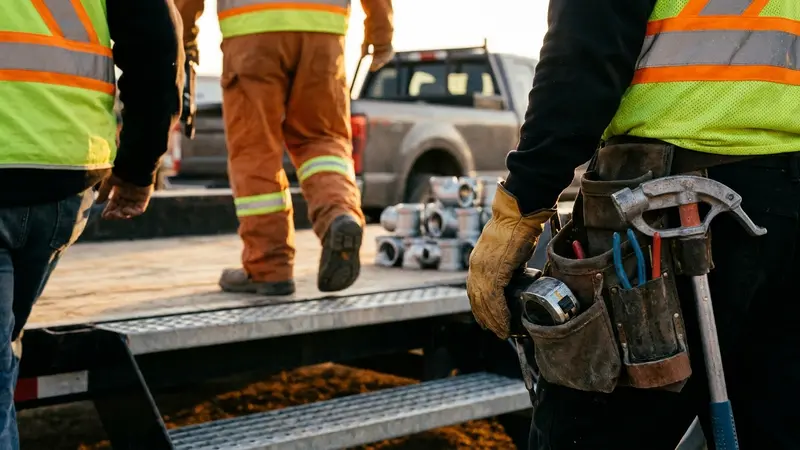
Red Seal $5,000 Completion Bonus Portal Opens Nov. 16
Canadian journeypersons certified in a Red Seal trade on or after April 1, 2025 can apply for a $5,000 federal bonus starting Nov. 16, 2026. Here is what employers should prepare now.
Daily oil & gas and construction news for subcontractors
Regulatory changes, safety requirements, environmental rules, and compliance updates affecting field operations.
Canadian journeypersons certified in a Red Seal trade on or after April 1, 2025 can apply for a $5,000 federal bonus starting Nov. 16, 2026. Here is what employers should prepare now.
On Aldridge Electric's I-405/I-105 tunnel relighting in Los Angeles, traffic breaches drove the safety plan. Here is what electrical and traffic control subs can take from it before bidding live-traffic work.
Finning International pleaded guilty to an Alberta OHS Code count after a worker was struck by a moving loader in 2023. The $155,000 creative sentence funds third-party-site safety training.
MIOSHA found MDOT failed to close a lane during a rolling pothole repair on U.S. 127 where two road workers died in May. Highway maintenance subs should review their own moving-operation traffic control.
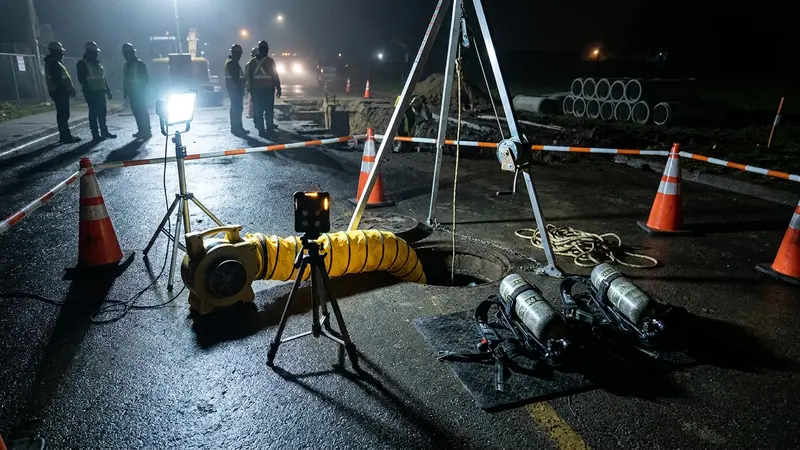
OSHA calls hydrogen sulfide one of the leading causes of workplace gas inhalation deaths. Safety+Health Magazine outlines the testing, ventilation and respiratory protection steps field crews should follow.
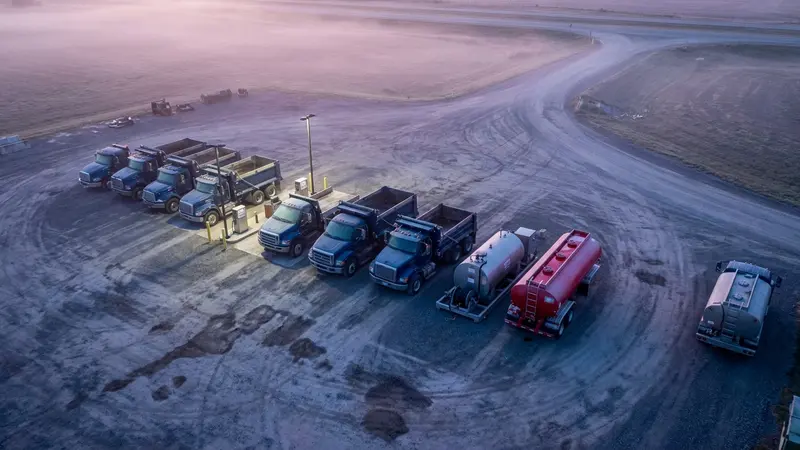
The IRS will not penalize highway use of dyed diesel from Oct. 1 to Dec. 31, 2026. Contractors running off-road fuel in trucks should still check state rules and document fuel purchases.
CPWR's June 2026 data bulletin shows nonfatal injury rates fell 46.9% in heavy and civil, 32.4% in specialty trades and 32.2% in building construction. Safety leads should benchmark against the specialty-trades figure before their next renewal.
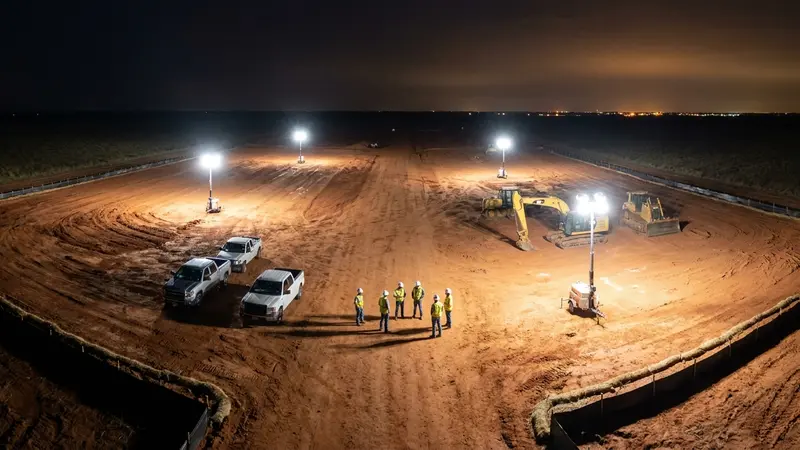
Texas regulators suspended data center stormwater approvals and shut down the automated filing system, after watchdogs said permits kept issuing despite the governor's pause. Here is what Texas site crews should confirm before mobilizing.
OSHA lists a lockout/tagout update (RIN 1218-AD00) with a November 2026 target for a proposed rule on computer-based controls. The current 29 CFR 1910.147 requirements still apply.
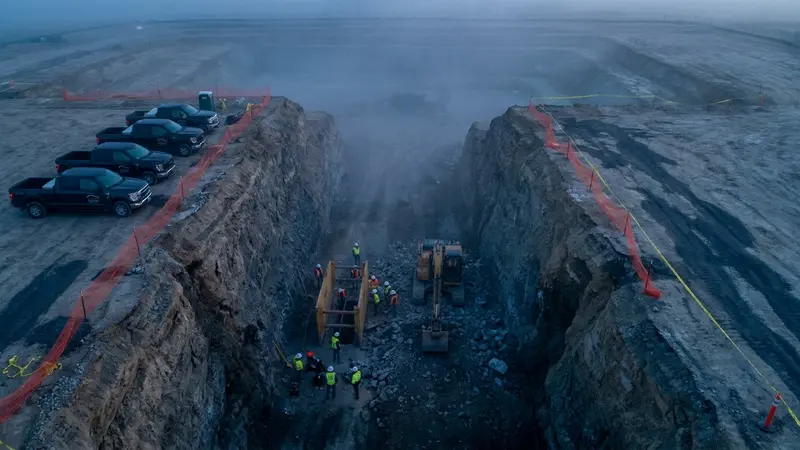
OSHA cited a general contractor and five subcontractors at the Monroe Commons site for willful and serious excavation violations. The proposed penalties total $648,094.
OSHA cited J.D. Wagoner Excavating of Chambersburg, PA, for willful, repeat and serious violations after a 12-foot trench collapse engulfed a worker. Proposed penalties total $254,884.
Dump trucks appear in more than 1,500 cases in OSHA's fatality database. ISHN details recurring causes and the 29 CFR 1926.601 rules earthwork and haul crews should build into toolbox talks.
California's A.B. 2321, signed Sept. 30, changes when Cal/OSHA must investigate incidents and notify prosecutors. Subcontractors should update incident-response procedures and review insurance exposure.
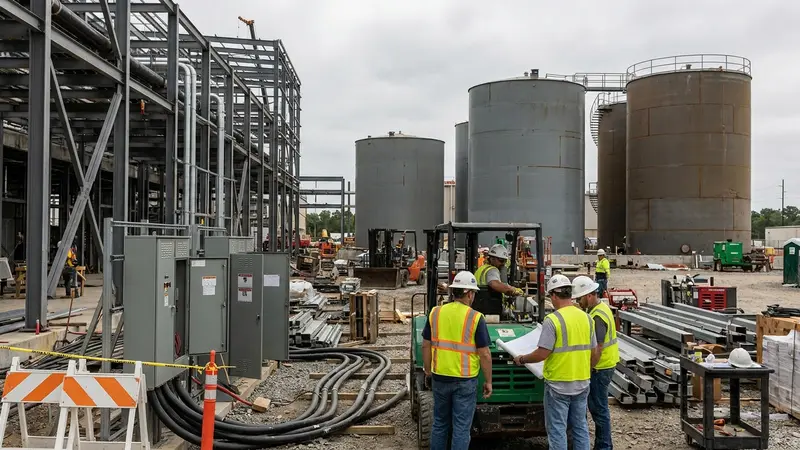
An ISHN analysis lays out the electrical, battery, fire and environmental hazards of data center projects. Here is how subcontractors can tie each one to scope, safety plans and permit-delay clauses.
TrafFix Devices says its water cable barrier is the first longitudinal barrier MASH-tested and eligible at TL-1 and TL-2. Traffic-control and guardrail subs should check whether their lettings now call for MASH-tested systems.
OSHA has formed a new National Serious Injury and Fatality Prevention Alliance, ISHN reports, pairing the agency with the American Industrial Hygiene Associatio...
OSHA's Hurricane eMatrix lists common hurricane recovery activities with their hazards, safe work practices and PPE. QuickCards and fact sheets cover demolition, electrical and tree-trimming work.
OSHA will distribute about $10.2 million through the Susan Harwood Training Grant Program to 67 organizations. The money funds instructor-led training for workers and employers in small businesses, with a focus on high-injury industries.
The Job-Site Safety Institute, NC State and Comer Construction are piloting Type II safety helmets on active sites through 2027. Subcontractors should start pricing per-head costs before owner or GC specs change.
MSHA's health alert says hydrogen sulfide can numb the sense of smell, so miners should not rely on odor. Crews on sour-gas, sewer and confined-space jobs should plan for detection and rescue.
Above Water was fined $75,000 after a worker was hurt in a flammable vapour explosion in an eight-foot unshored trench at an Ottawa home. The case turned on missing ventilation and atmospheric monitoring.
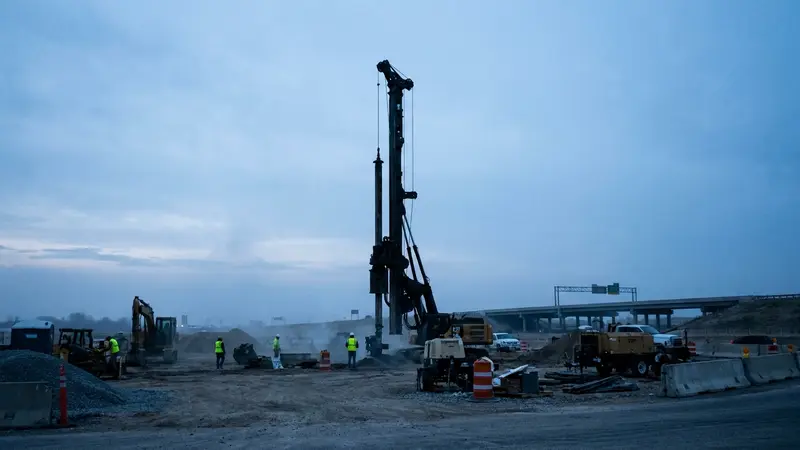
Oklahoma's Transportation Commission approved ODOT's FFY2027-2034 work plan, covering 1,229 projects worth more than $7.3 billion, plus a $520 million four-year preservation plan.
OSHA cited Orlando-based T & T Pipeline Co. for a willful violation after a worker was struck by a rotating pipe stem during drill-bit replacement in New Smyrna Beach, Florida.
Safety+Health Magazine reports that lab testing and survivor accounts show arc flash blasts rarely injure workers through pressure waves, but thermal energy and ignited clothing remain the real, often fatal, hazard.
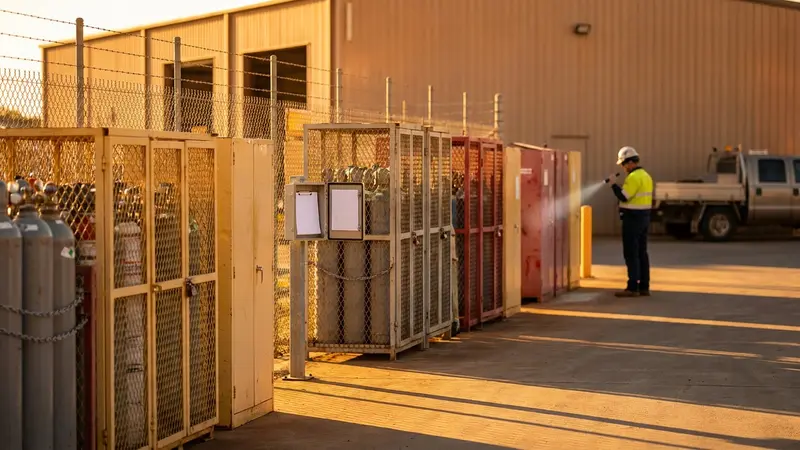
Safety+Health Magazine outlines the Nov. 20, 2026 OSHA HazCom compliance deadline for aerosols, desensitized explosives and flammable gases, requiring updated SDS, labeling and training documentation.
Safety+Health Magazine surveyed PPE manufacturers on widespread misconceptions, from cut-resistant gloves to one-size-fits-all gear, warning that owning PPE isn't the same as being protected.
Colorado's Air Quality Control Commission finalized existing-source methane rules for oil and gas operations, becoming the first state to fully adopt EPA's 2024 standard even as federal rules stay in flux. The phased timeline gives subcontractors a roadmap to price leak-detection, tank, and combustion-device work.
The U.S. Chemical Safety Board's final report on the June 2025 Shell Polymers Monaca furnace explosion cites a mislabeled valve interface and reliance on administrative controls as root causes, with two recommendations for engineered safeguards.
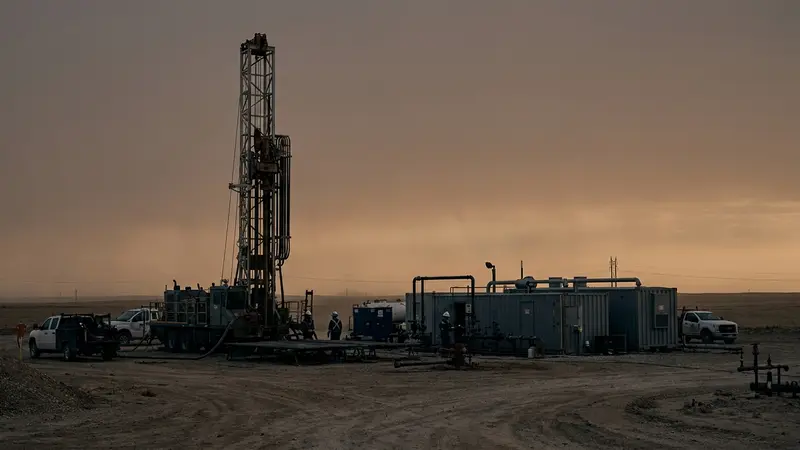
Virginia lawmakers and regulators are scrutinizing data center gas turbine proposals as skirting renewable energy law, while Texas Gov. Greg Abbott has expanded his data center moratorium to halt all state environmental permits pending an ERCOT grid audit.
Safety and Health, The Construction Safety Organization, launched September 21 as a national trade group focused solely on construction safety, offering free and low-cost membership tiers aimed at smaller contractors.
A Kentucky FACE report details how a 23-year-old electrician trainee was electrocuted after bypassing energized wire on a jobsite, likely while distracted by his phone.
Fall Protection – General Requirements has topped OSHA's list of most-cited standards for the 16th consecutive fiscal year, Safety+Health Magazine reports from ...
A West Virginia University study of 23 licensed plumbers finds PPE reluctance, employer productivity pressure, and inadequate training are driving workplace injuries and long-term health problems.
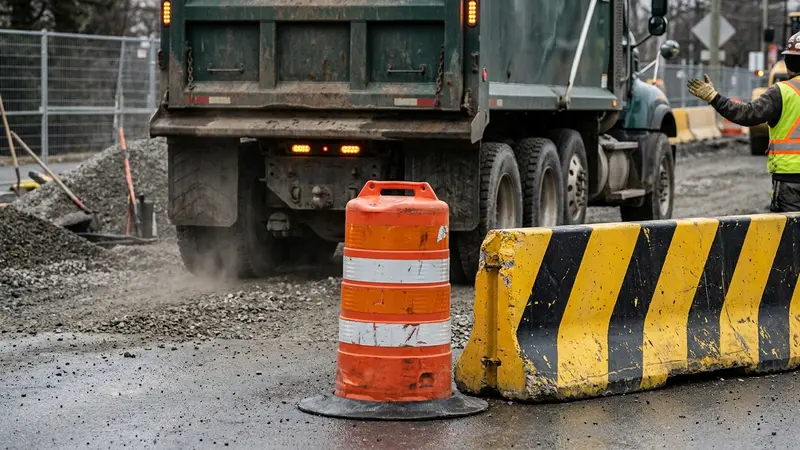
Construction Executive breaks down why work zone fatalities persist even when signage and cones follow the rules, pointing to a disconnect between public traffic control plans and internal crew/equipment protocols.
New York City is invalidating roughly 2,000 construction safety credentials tied to RedCode Inc. after prosecutors indicted the company and two of its principals for allegedly selling training cards without conducting the required courses.
MSHA has issued a safety alert calling on mine operators to increase engineering assessments and inspections of impoundments, citing aging infrastructure and heavier precipitation events.
Construction has started on a major expansion of Durham College Oshawa GO Station, adding two tracks, new platforms, and pedestrian bridges to support two-way, all-day GO service, Daily Commercial News reports.
NIOSH and CPWR published a new toolbox talk urging crane, lift and ladder crews to keep 20 feet of clearance from overhead power lines after a fatal crane incident on a school jobsite.
The U.S. Chemical Safety Board found that an inspection report warned Nippon Dynawave that a storage tank at its Longview, WA mill was unfit for continued service months before it failed, killing 11 workers.
The U.S. Chemical Safety Board's ongoing probe into a fatal April 2026 hydrogen sulfide release at Catalyst Refiners in Institute, West Virginia, found workers lacked gas monitors and proper respirator filters during decommissioning work.
ISHN, via sister publication The Driller, reports on 2024-2025 OSHA and NIOSH fatality data showing drilling and trenching remain among construction's deadliest activities, with heat stress flagged as a growing hazard.
Five years after Colonial Pipeline, TSA security directives and industry frameworks are pushing pipeline operators to treat cybersecurity as a core safety layer, with direct implications for SCADA and controls subcontractors.
Inspectioneering Journal warns that thin margins and high turnover among NDE contractors are producing certified but underqualified examiners, raising the risk of rework, delays, and missed defects at refineries and chemical plants.
ISHN outlines why contract workers get hurt more often than permanent staff, citing induction gaps, weaker supervision, and underreporting, with a case study showing a 40% injury drop after fixes.
A new National Safety Council and NCCCO Foundation report finds that most crane industry professionals credit certification with improving jobsite safety, and nearly 75% support extending certification requirements to riggers and signalpersons.
OSHA hit IPMF, LLC (NaturPak) with $364,100 in penalties after two industrial kettle incidents killed three workers and injured two others at its Wisconsin facility, citing repeat lockout/tagout and fall-hazard violations.
OSHA has renewed its National Emphasis Program targeting warehouses and distribution centers, extending inspection authority through July 2031 while dropping mandatory ergonomic and heat screenings.
A new ISHN report on the 2026 PPE Pain Point Study finds two-thirds of companies confident in their PPE programs still face daily compliance failures, with fit issues and low smart-tech adoption compounding the risk.
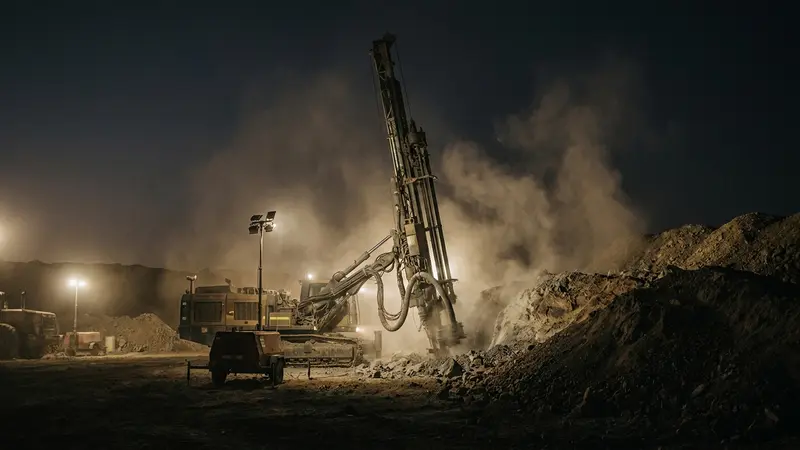
United Mine Workers of America president Brian Sanson is demanding MSHA immediately enforce its stalled silica exposure rule, citing new black lung data from coal country. The fight has direct implications for any contractor cutting, drilling or blasting rock and concrete.
OSHA opened an investigation after a 44-year-old electrical foreman died during a June workplace incident at the University of Missouri's Memorial Stadium renovation project.
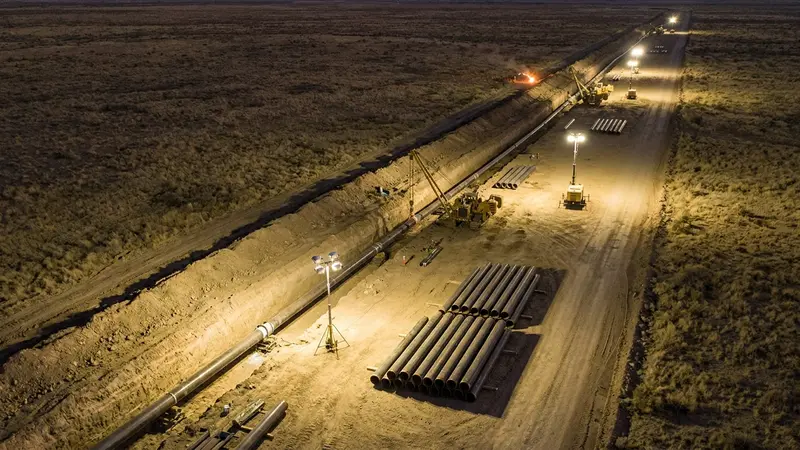
Pipeline Technology Journal analysis shows the US aims to grow its CO2 pipeline network up to 20x by 2050, a buildout that could create sustained work for pipeline construction and integrity contractors.
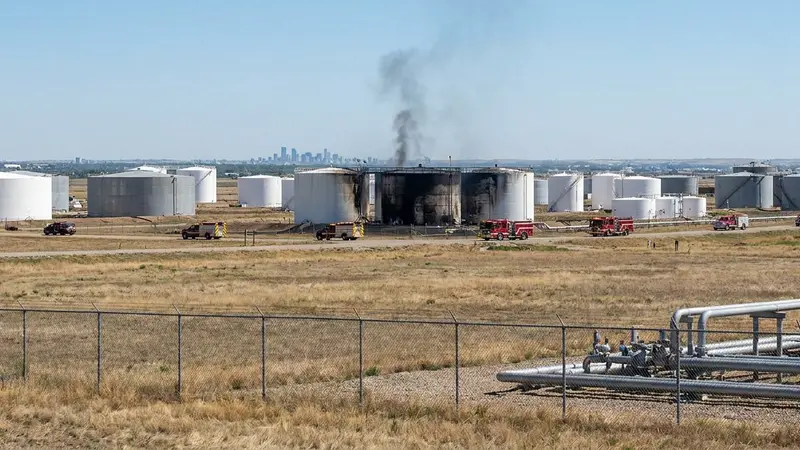
A lightning strike ignited three storage tanks at Explorer Pipeline's Glenpool depot near Tulsa, halting operations at a hub that moves gasoline, diesel, and jet fuel across Texas, Oklahoma, and the Midwest.
The National Safety Council is surveying employers and contractors on how they manage serious injury and fatality risk, seeking input on reporting practices, prequalification and emerging best practices.
The U.S. Chemical Safety Board's final report on the August 2025 Clairton Coke Works explosion cites an ad hoc water-cleaning procedure, a brittle 70-year-old valve, and poor facility siting as root causes that killed two workers and injured 11.
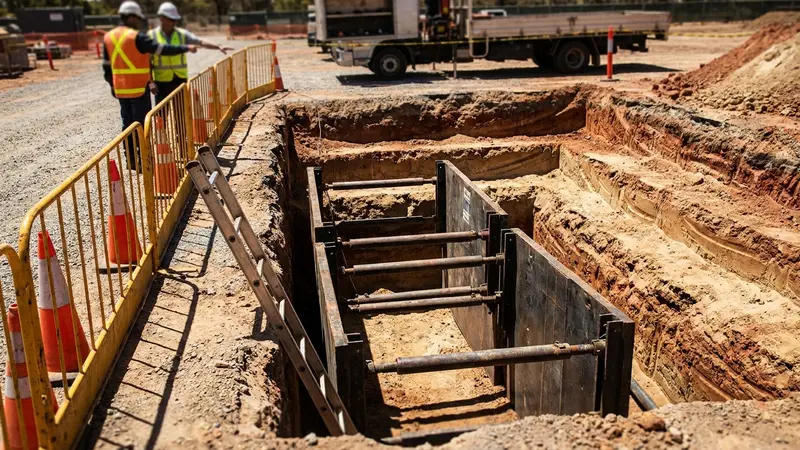
After three trench collapses in two days, including one fatality, MIOSHA is urging employers to reassess hazards and empower workers to stop unsafe work, ISHN reports.
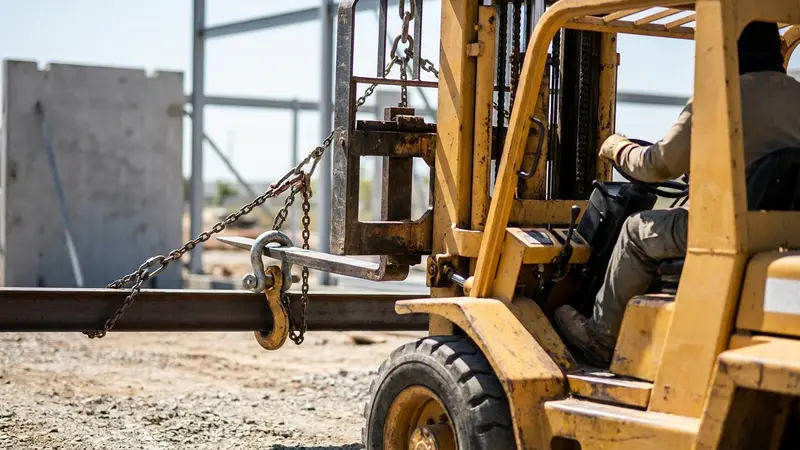
Washington's L&I is drafting rule changes clarifying when forklift operators need crane-level certification for suspended loads, following a contractor petition over the state's August 2025 crane rule update.
ISHN reports OSHA hit Woodland Pulp LLC with nearly $800K in penalties after a hydrogen sulfide gas exposure killed two workers and a separate hydrogen peroxide fire followed weeks later at the Baileyville, Maine mill.
OSHA proposed $264,380 in penalties against FleetPride Inc. after a worker asphyxiated inspecting a tanker trailer, citing missing confined space and respiratory protection programs.
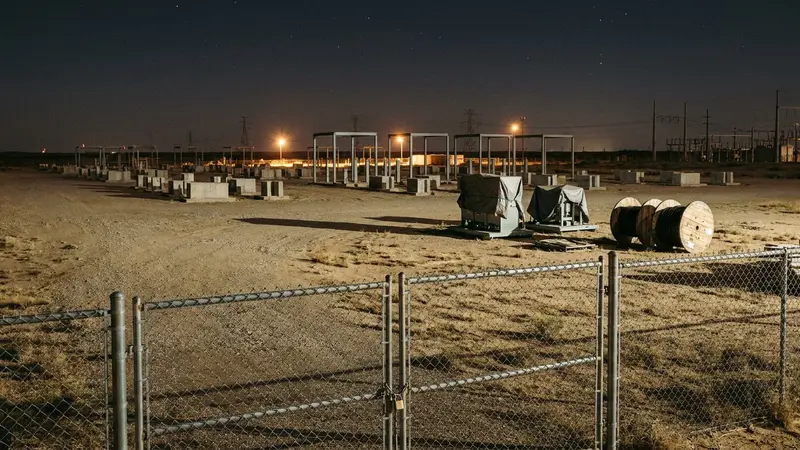
Gov. Greg Abbott has ordered an audit of all data centers in ERCOT's interconnection queue, prompting the grid operator to delay its Batch Zero review and stall large-load project timelines statewide.
The Texas Railroad Commission and Texas A&M Engineering Extension Service launched a new fire prevention and electrical safety course for oil and gas inspectors, aimed at cutting wildfire risk at well sites.
ENR profiles Turner Industries' pivot from a 93%-petroleum backlog into data centers, pharma, carbon capture, and nuclear work, with safety metrics driving the expansion strategy.
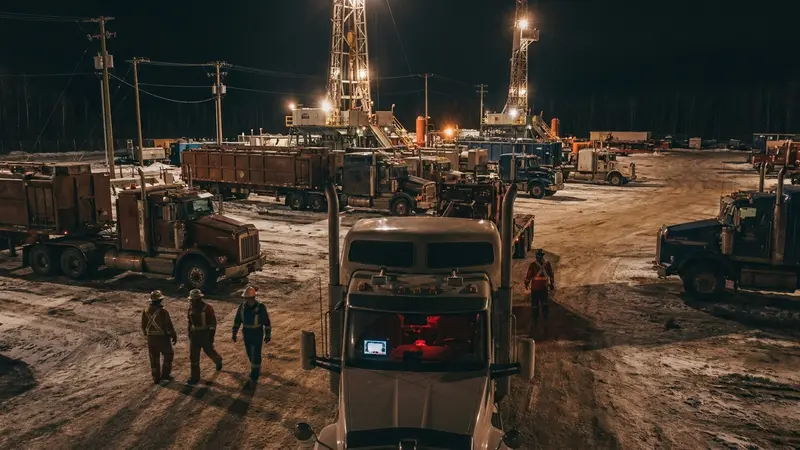
STEP Energy Services layered AI-powered dual-facing dash cams onto its Motive ELD system, cutting safety events by 18% and giving oilfield trucking operations a documented playbook for DOT/CSA compliance and insurance defense.
OG&E's 35th annual Linemen's Expo in Oklahoma City tested lineman safety and technical skills, drawing attention from the U.S. Department of Energy on grid workforce development.
The Department of Energy and Department of Labor signed a five-year MOU on July 21, 2026, to speed AI, automation, and sensor deployment in mining while strengthening safety oversight through MSHA.
Trenchless Technology outlines five field-tested vacuum excavation practices for HDD contractors, tied to Common Ground Alliance data on utility strike causes.
A Tradesafe survey of 503 U.S. blue-collar workers finds only 54% of non-union and 63% of union workers believe their workplace has a genuine safety culture, citing gaps in leadership and reporting follow-through.
ISHN reports that OSHA's heat illness rule is stuck in supplemental rulemaking until at least October 2027, while seven states now enforce their own heat standards, creating a compliance patchwork for multi-state contractors.
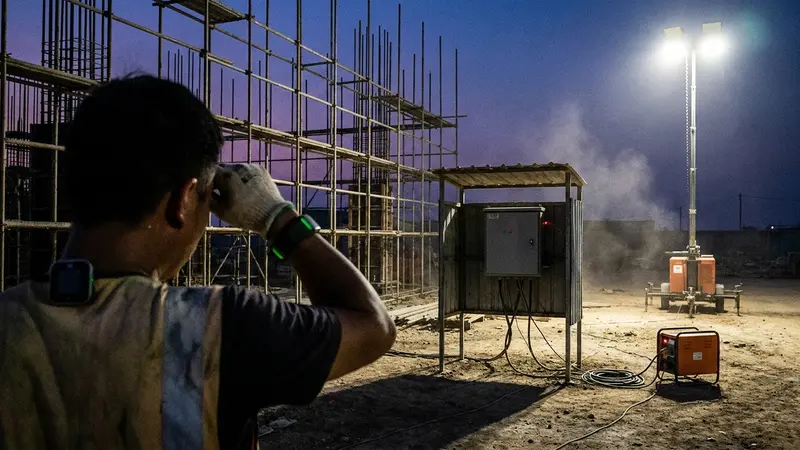
Construction Executive reports that biometric sensors, smart helmets and connected vests now let crews track heat stress in real time, giving supervisors data to intervene before workers suffer heat exhaustion or stroke.
A dropped casing joint injured a worker on the Hibernia offshore platform on July 18, marking the second potentially fatal incident there since May, World Oil reports. C-NLOER is monitoring the operator's investigation.

OSHA published a new fact sheet and companion resource walking small employers through best practices for responding to complaint- and referral-driven inquiries, including investigation, documentation, and response timelines.
Werner has launched a new Height Safety Center in Austin, Texas, offering hands-on training and product collaboration for fall protection and access equipment users, ISHN reports.
ISHN highlights how heat stress and schedule pressure combine to raise injury risk on elevated work areas and in material handling zones during peak construction season.
ISHN reports that Cal/OSHA's indoor heat standard imposes mandatory engineering controls once temperatures hit 87°F, a threshold loading docks often breach unnoticed even when main warehouse floors stay compliant.
The National Athletic Trainers' Association published 48 evidence-based recommendations for workplace heat illness prevention, offering employers a ready-made acclimatization and monitoring framework, Safety+Health Magazine reports.
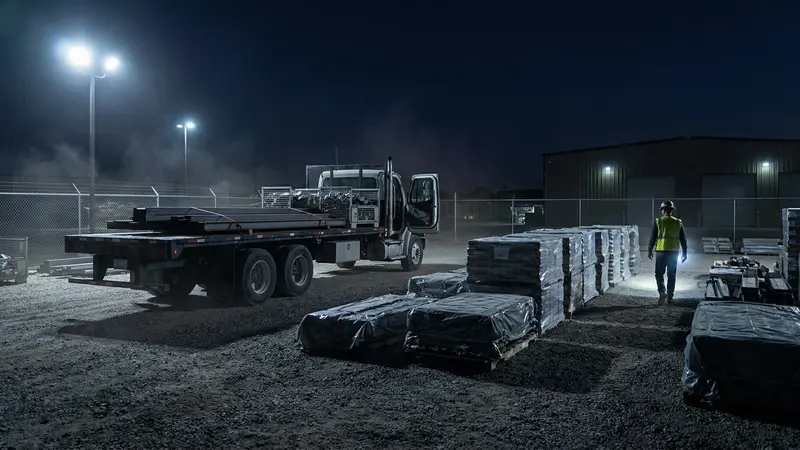
The Trump administration imposed 10-12.5% tariffs on goods from 60 trading partners under Section 301 forced-labor investigations, adding new material cost and supply chain compliance pressure for construction firms.
The Chemical Safety Board's investigation into a fatal hydrogen sulfide release at a Maine pulp mill points to inadequate gas monitoring systems, underscoring the need for field crews to review detection protocols.
Granite Construction has landed a $50 million contract to replace the spillway at PG&E's Tiger Creek Regulator Dam after post-Oroville safety reviews found the existing structure couldn't handle the site's probable maximum flood, Engineering News-Record reports.
A House committee voted 18-15 to advance H.R. 6213, which would bar OSHA from finalizing or issuing any similar heat protection standard for outdoor and indoor workers.
MSHA is accepting applications through Aug. 31 for Brookwood-Sago Mine Safety Grants worth up to $250,000, funding emergency response and recovery training for mining operations.
NIOSH has published a new resource outlining steps employers and outdoor crews can take to reduce health risks from wildfire smoke as air quality warnings spread across the US.
Ontario's Ministry of Labour is leading a national push to harmonize construction health and safety training, with Working at Heights and MEWP standards targeted for alignment by January 2027.

An ISHN safety analysis warns that equipment certification typically verifies condition and function, not whether modifications or changed use have pushed cranes, lifts, and hoists past their original design limits.
Coalesce Capital-backed Examinetics has acquired Progressive Safety and Jurgiel & Associates, its fourth and fifth safety consulting acquisitions in 18 months, per ISHN.
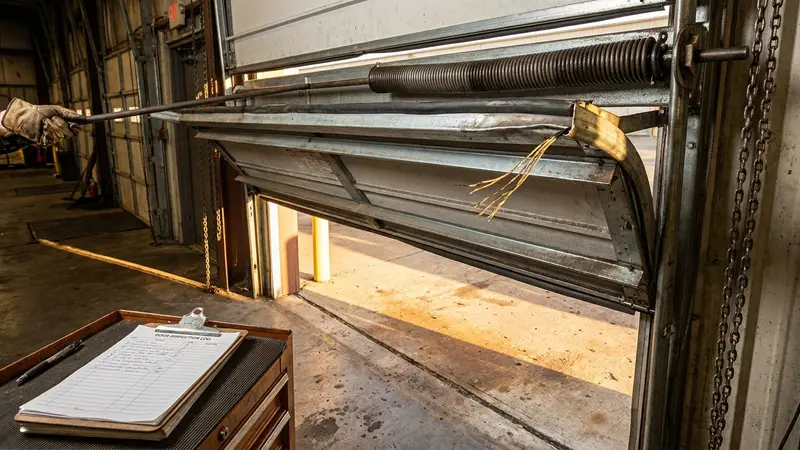
ISHN outlines routine inspection and maintenance practices for commercial overhead doors, warning that neglected cables, springs, and tracks are common causes of struck-by and crush injuries.
J. J. Keller & Associates is accepting applications for its 2026 SPOTY Awards through July 31, with winners receiving prize packages valued up to $47,200.
The Department of Transportation's 2026 regulatory agenda includes a supplemental proposal for automatic emergency braking on heavy trucks and an update to electronic logging device rules, Safety+Health Magazine reports.
Kansas' new S.B. 366 bans handheld device use in active construction and school zones, with fines starting July 2027, Safety+Health Magazine reports.
ISHN outlines research on cognitive dissonance and "induced hypocrisy" showing how publicly stated safety values, even when imperfectly followed, can drive real behavior change on job sites.
ISHN reports same-level falls cost U.S. businesses $10.5 billion annually in workers' comp, making the case for permanent anti-slip surfacing over recurring tape, paint, and epoxy fixes.
Labor secretary nominee Keith Sonderling told senators OSHA is rebuilding its inspector ranks, promising to reverse a years-long staffing decline at the workplace safety agency.
Michigan OSHA will delay enforcement of its amended Construction Standard 25 for concrete construction until Sept. 21, giving contractors extra time to update formwork, shoring, and training procedures.
Daily Commercial News details the final installment of Ontario's Construction Death Review, which found struck-by, crushing, collapse, electrical and elemental hazards behind nearly all of 44 examined deaths, prompting 14 industry recommendations.
A CSB investigation update on the January 2026 hydrogen sulfide release at Woodland Pulp's Baileyville, Maine mill finds no gas detectors, no personnel tracking system, and no building ventilation were in place before two workers died.
RAM Inc. has scheduled its Blasting and Explosives Safety Training (BEST) course for Sept. 15-17 in Crazy Horse, South Dakota, with an early registration discount deadline of July 31, 2026.
A new UK construction safety guide catalogs flame-free tools and digital permitting systems meant to cut hot-work fire risk, including a prefabrication approach already in use in the United States, Safety+Health Magazine reports.
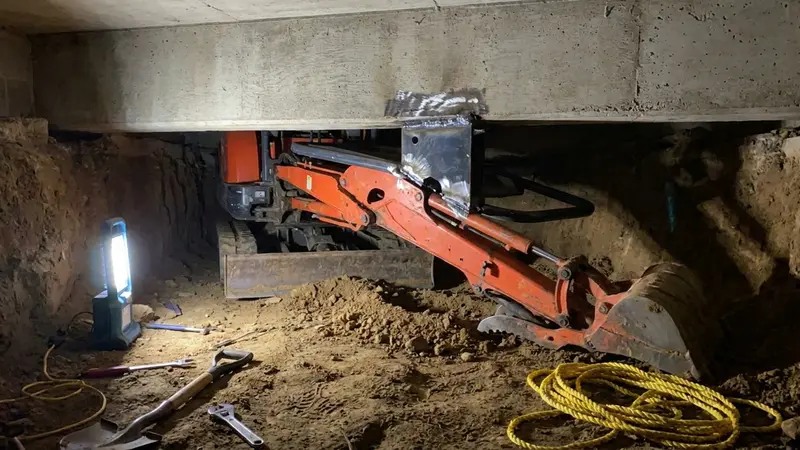
OSHA cited D L Bandy Constructors and Pacesetters Personnel Services with over $299,000 in combined penalties after a worker died operating a modified mini-excavator in a Texas elementary school crawl space.
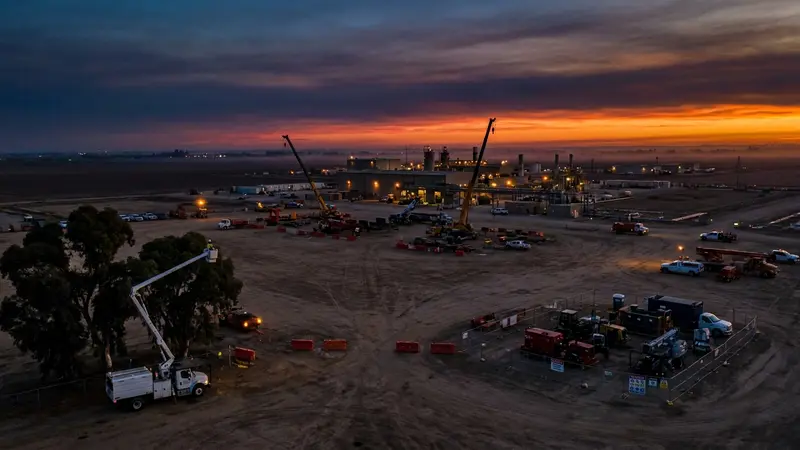
OMB's July 2026 Regulatory Agenda shows OSHA pushing its national heat standard back to a supplemental proposal by December 2026, while advancing tree care, emergency response and lockout/tagout rule changes contractors should track.
The Infrastructure Health and Safety Association has released a hazard alert outlining a four-step "RACE" method for identifying and controlling worker fatigue, with direct implications for shift scheduling on field sites.
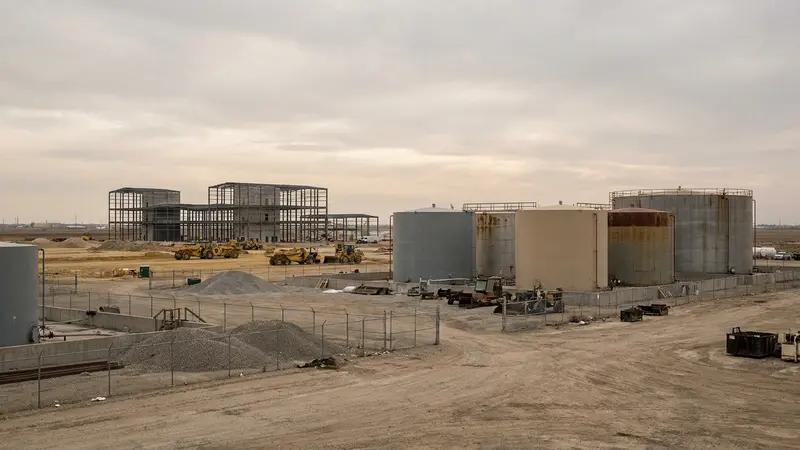
Communities and lawmakers blocked or delayed more than $130 billion in AI data center projects in early 2026, a shift OilPrice.com says should push subcontractors toward financed, permitted builds over speculative ones.
Construction Executive outlines recent OSHA ladder rules and ANSI's SRL reclassification, urging contractors to review harnesses and anchor points before an inspection forces the issue.
Safety+Health Magazine reports that heat stress programs often fail not on paper but in practice, when production pressure and workplace culture push supervisors to cut hydration breaks first.
Texas A&M researchers say AI-enhanced VR safety training can address struck-by hazards on highway jobsites by personalizing scenarios and detecting worker desensitization, Construction Dive reports.
The Infrastructure Health and Safety Association released a new safety talk on construction site lighting, outlining steps constructors should take to reduce slip, trip, fall and struck-by risks tied to poor visibility.
PHMSA's new proposed rule replaces two-decade-old pipeline repair standards with a three-tiered response schedule, projecting $390 million in annual industry savings. Contractors face new documentation and engineering-based compliance thresholds.
Safety+Health Magazine outlines confined space gas detection best practices, stressing daily bump tests, calibration gas checks, and paired personal-fixed monitoring systems.
OSHA's newly released regulatory agenda sets a November target for a modernized lockout/tagout proposal and a December supplemental notice on the heat rule, while MSHA plans a revised silica proposal for July.
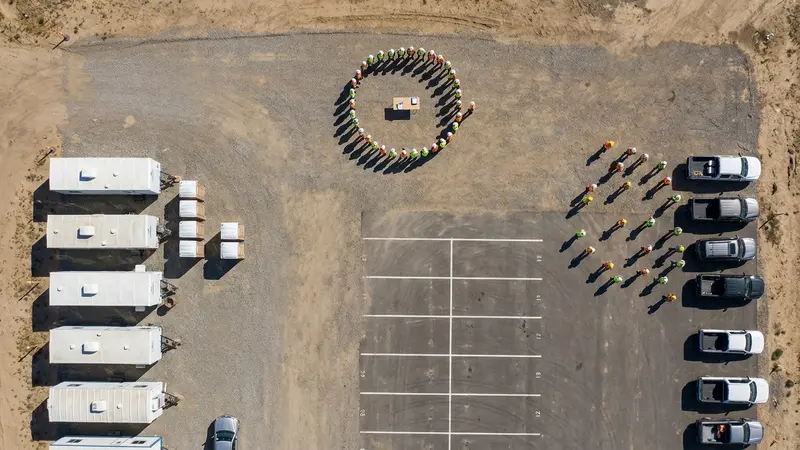
A new ABC report shows STEP-certified contractors post incident rates 686% better than the industry average, a gap that increasingly shows up in EMR calculations, insurance pricing and GC prequalification scoring.
Construction Executive breaks down how jobsite waste-handling missteps can trigger fines, shutdowns and reputational damage, and why picking a disposal vendor on price alone is a bidding mistake for contractors.

EPA has reopened public comment on its proposed asbestos risk management rule, delaying publication until June 2027 as it seeks more data on legacy asbestos exposure and disposal.
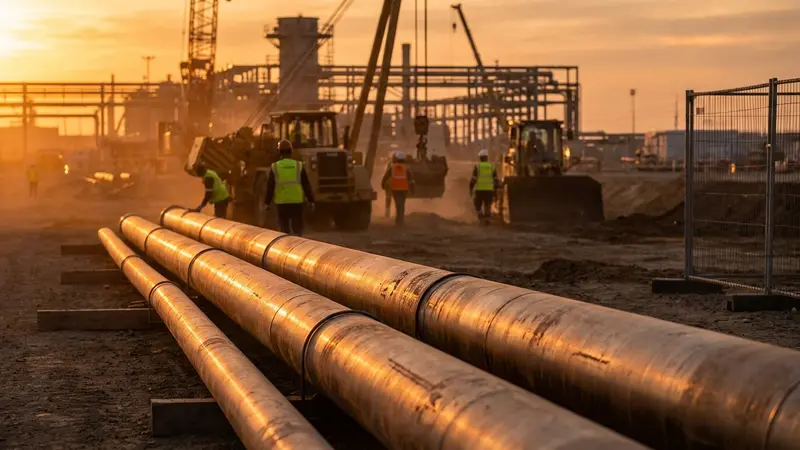
A Construction Safety Research Alliance survey finds most construction firms have adopted serious injury and fatality prevention programs, while high-energy control assessment adoption continues to climb.
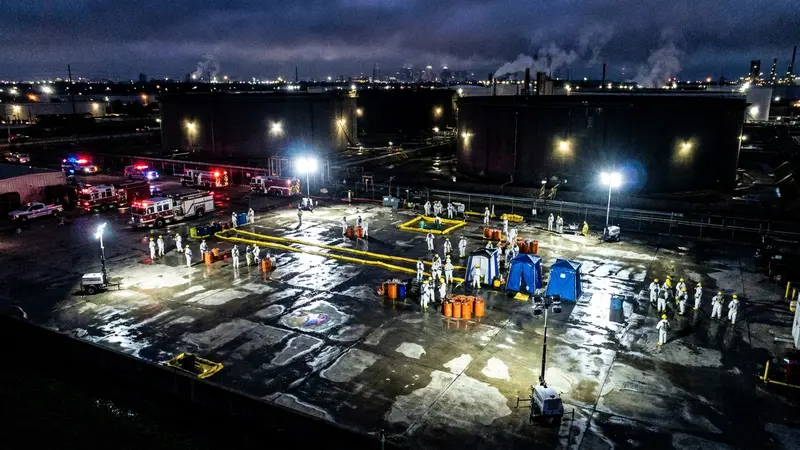
Three companies face over $3.5 million in proposed OSHA penalties after federal inspectors found workers were sent into a million-gallon sulfuric acid spill cleanup without adequate training, respirators, or safety measures at a Houston-area facility.
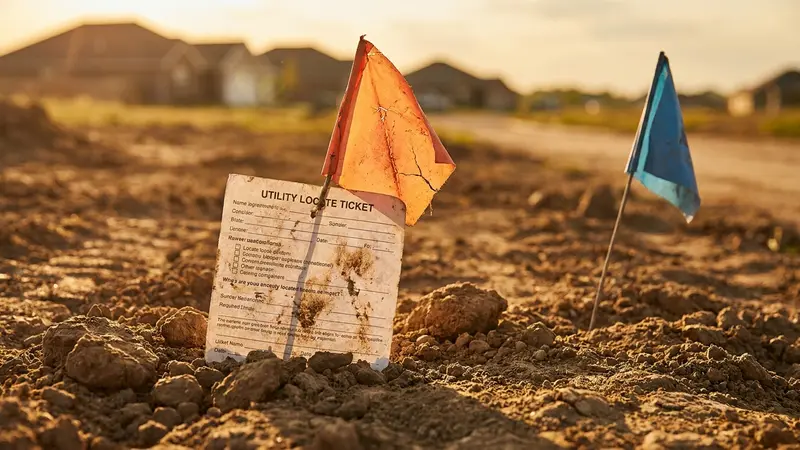
A contractor struck a natural gas line in Twinsburg Township, Ohio on June 25, 2026, triggering an explosion that destroyed three homes and damaged more than 30 others. The incident is now under investigation by state regulators, with questions over utility marking accuracy at the center of the probe.
A construction school director argues the industry must eliminate dangerous tasks entirely through automation, not rely on PPE and warning systems that can still fail.
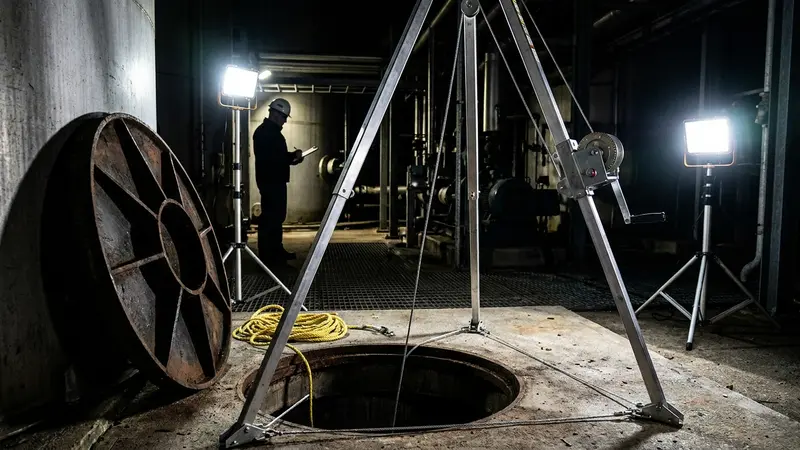
Safety+Health Magazine identifies the most commonly overlooked factors in confined space rescue planning, from over-reliance on local emergency services to skipping non-entry rescue methods and regular drills.
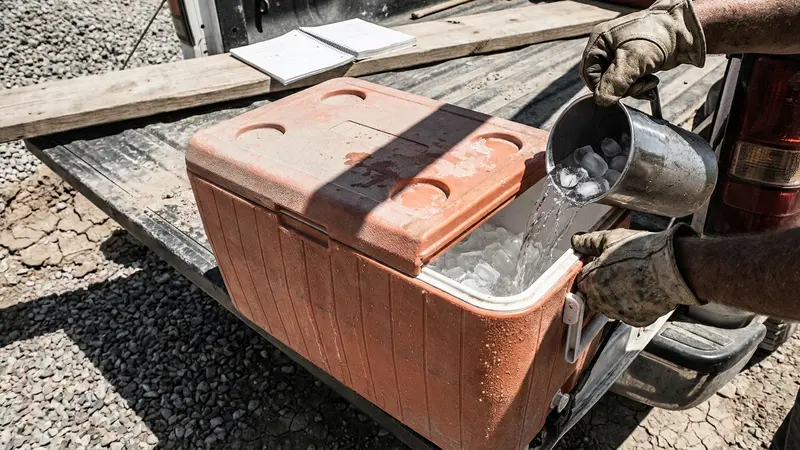
Safety+Health Magazine highlights July as the hottest month of the year in the US and points to ongoing federal and state OSHA activity around heat protection for workers. Field employers should review their heat safety programs now.

NIOSH and Benetech Inc. have developed a retrofittable silica dust filtration system called the Dustinator, which reduced respirable crystalline silica by 93% in testing at mine sites. Subcontractors in mining, excavation, and bulk material handling should take note.
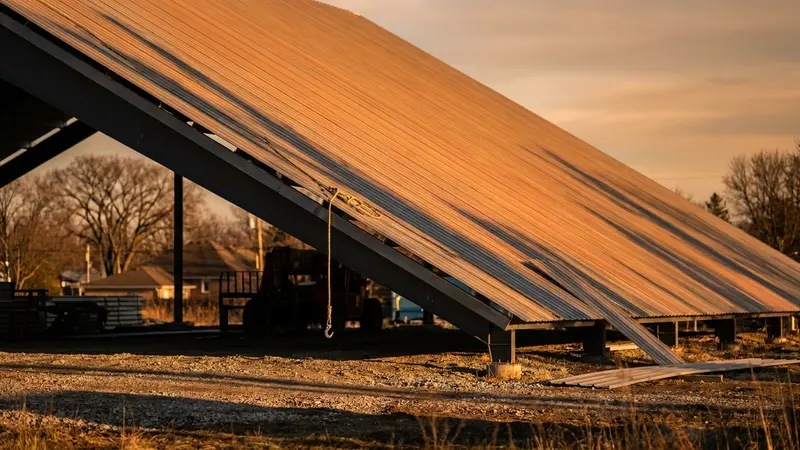
Moffat Bros. Roofing Ltd. of Cobourg, Ontario was fined $100,000 after a worker suffered critical injuries in a 2023 fall, highlighting the long-term liability risk facing roofing subcontractors.
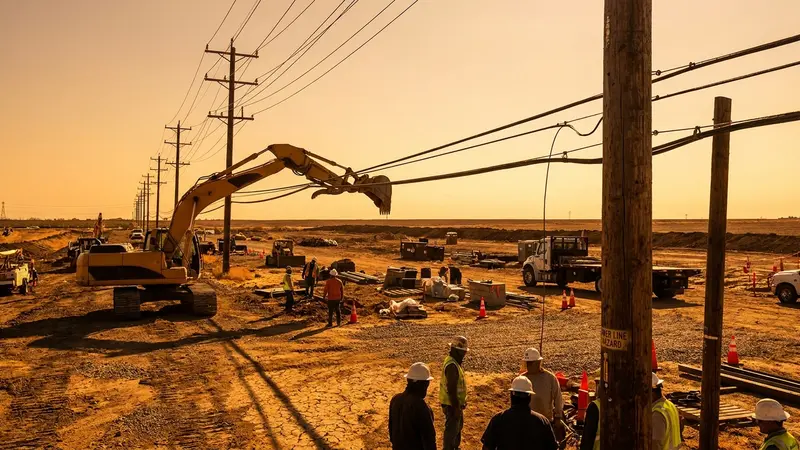
WorkSafeBC data spanning a decade reveals that 74% of power-line injury claims involve workers outside electrical trades, a finding with direct implications for mixed-trade construction sites across North America.
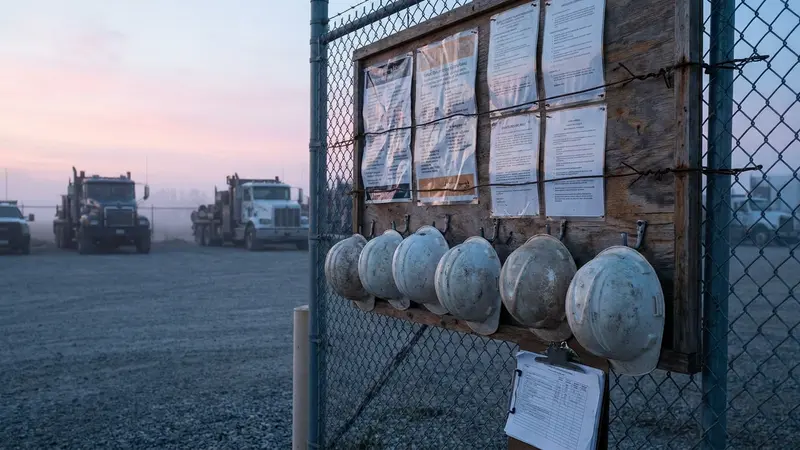
OSHA's Voluntary Protection Programs Policies and Procedures Manual took effect June 16, 2026, introducing a seven core element framework and new VPP Elite and VPP Emeritus certification levels. VPP-certified contractors and field service companies need to review the changes now.
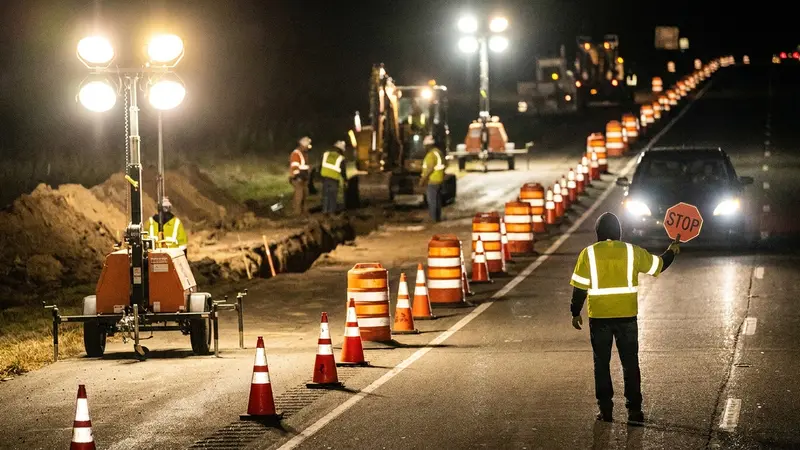
Utility contractors are losing time and adding risk because traffic control execution varies crew to crew. Here's why the industry needs to rethink traffic control as an operations discipline, not a paperwork requirement.
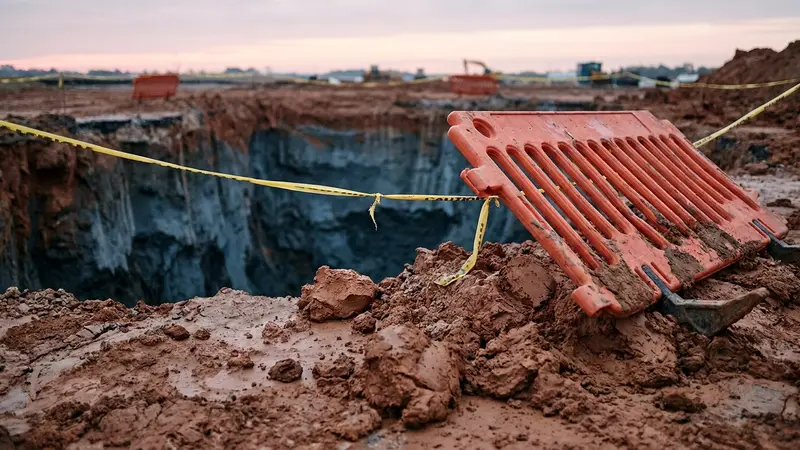
A worker died Monday after falling into a construction hole in Brampton, Ontario, prompting a Ministry of Labour investigation and renewed scrutiny of excavation guarding on job sites.
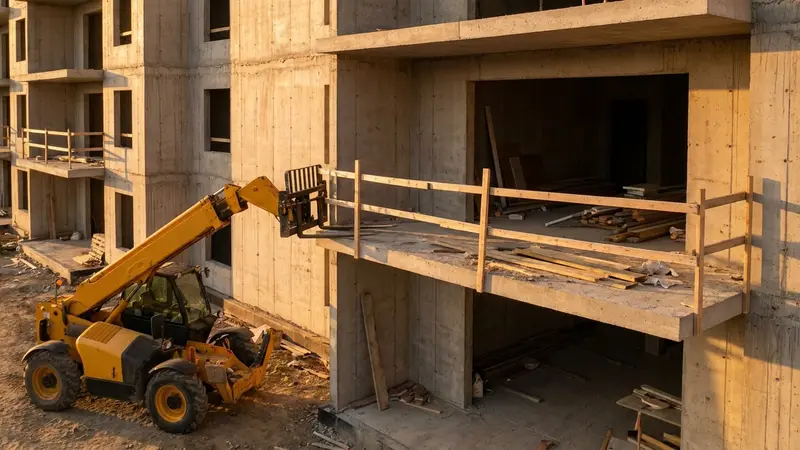
A 27-year-old laborer died after falling through an undersized temporary guardrail on an apartment complex balcony. A Washington State FACE report details the installation failures that led to the fatality.
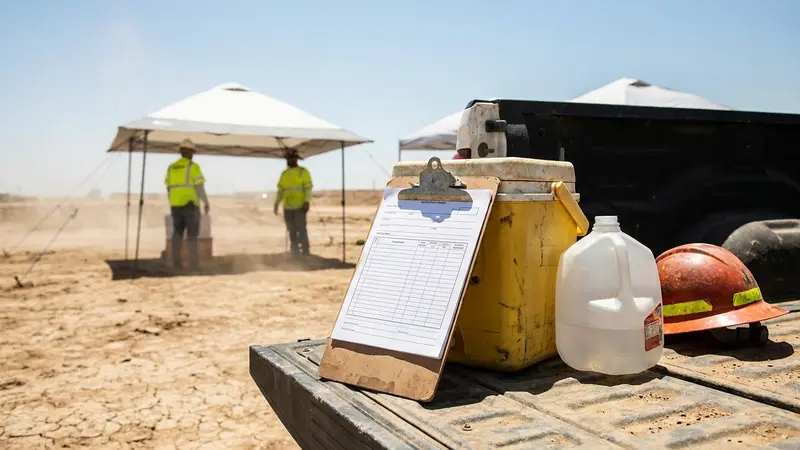
With extreme heat documented across 41 states and heatwaves occurring at twice the frequency seen in the 1960s, OSHA's proposed heat stress rule is shifting employer expectations from awareness to structured, enforceable action.
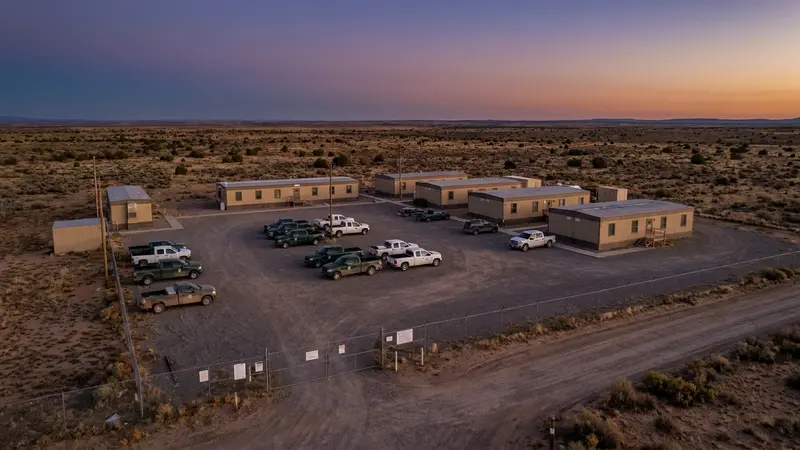
The Interior Department has proposed slashing statewide bonding requirements for oil and gas wells on federal lands from $500,000 to $25,000, part of a broader push to reduce compliance costs for energy operators.
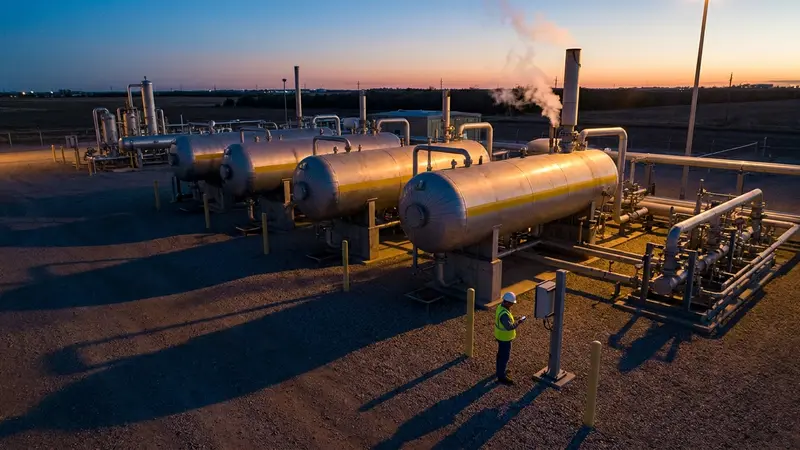
The Mine Safety and Health Administration has issued a safety alert reminding miners that ammonia can numb the sense of smell, making industrial hygiene monitoring equipment essential for safe exposure detection.
A new predictive safety analytics framework helps construction and field service companies spot risk before incidents happen, using data they're already collecting. Here's how it works and what subcontractors can apply today.
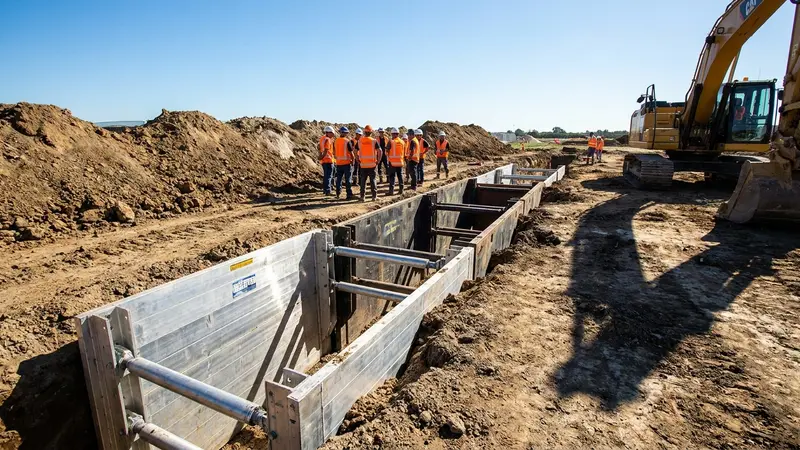
NUCA has designated June as Trench Safety Month, with a stand down event running June 15-19 at hundreds of jobsites nationwide. Here's what excavation subcontractors need to know about the campaign and staying ahead of compliance gaps.
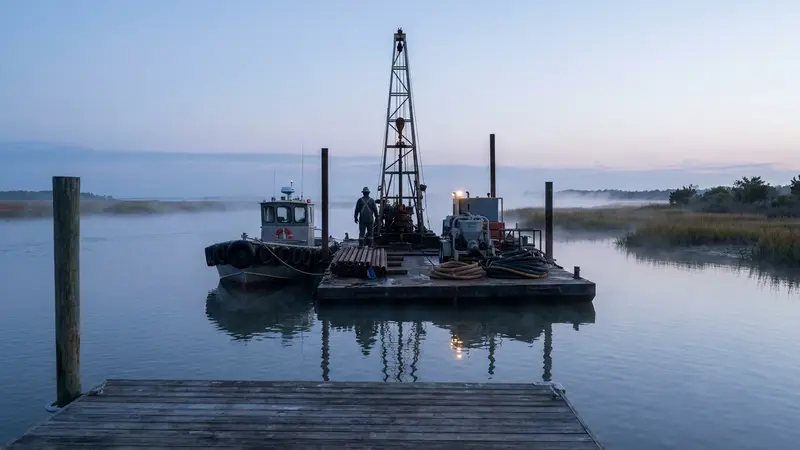
The Texas Railroad Commission has launched a plugging project targeting six leaking orphaned gas wells near Corpus Christi, backed by $100 million in state legislative funding and $3 million from the Texas General Land Office.
North Carolina has eliminated its "death discount" policy, meaning employers will now face full OSHA penalties when workplace safety violations cause a worker fatality. Learn what this means for subcontractors operating in the state.
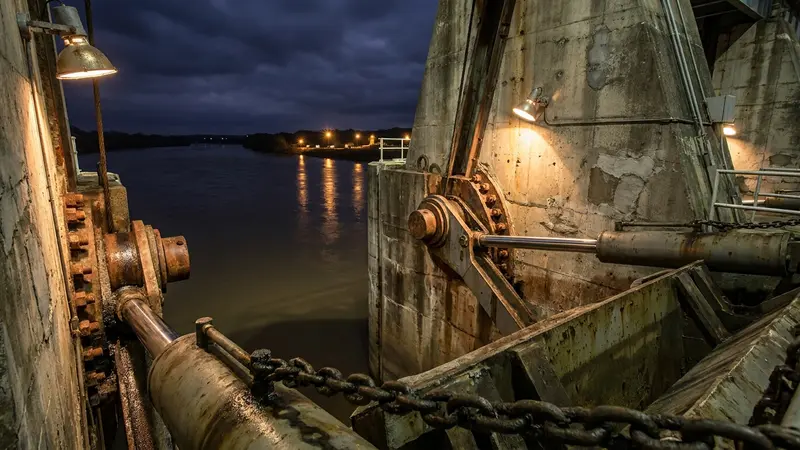
Tetra Tech has been selected as lead design engineer for a multi-year spillway modernization project at Rock Island Dam and Rocky Reach Dam in Washington state, signaling active hydropower infrastructure work for civil and specialty subcontractors in the Pacific Northwest.
Colorado Governor Jared Polis signed S.B. 26-160 on June 3, prohibiting employers from deducting the cost of most required PPE from worker wages, with fines up to $200 per employee per week for violations.
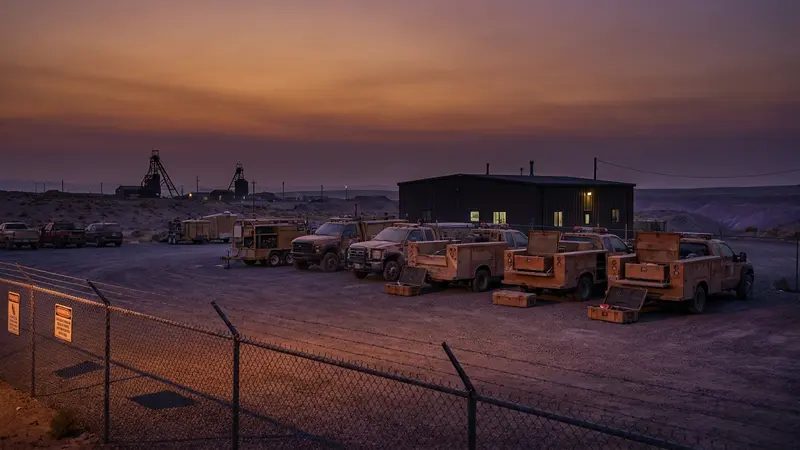
A Department of Labor inspector general report finds MSHA may lack the preparedness to handle multiple mine emergencies at once, citing outdated guidance, equipment gaps, and training deficiencies across the agency.
The House Appropriations Committee has approved a spending bill that would cut OSHA's budget by $52.4 million and slash MSHA funding by roughly 10%, with implications for inspections and compliance guidance across field operations.
Nevada OSHA has published a new FAQ document explaining its heat illness prevention standard, which took effect April 29 and applies to employers with at least 10 employees exposed to excessive heat.

Construction Executive outlines a leadership-driven framework for work zone safety, identifying five practices field crews and highway subcontractors can implement before peak summer construction season.
The McElhattan Foundation has extended deadlines for its Zero Electrocution Challenge, offering two $1 million grants for innovations that eliminate on-the-job electrical hazards. Registration closes Sept. 1, 2026.
The Railroad Commission of Texas approved more than $1.1 million in fines at its latest open meeting, targeting operators across drilling, production, and pipeline operations. Field service companies working in Texas should take note.
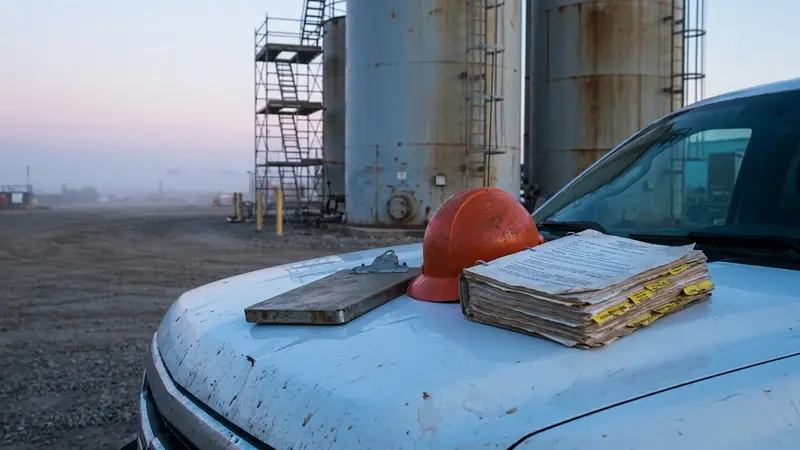
OSHA has scheduled virtual public hearings beginning August 19 on more than 20 proposed deregulatory rules, covering chemical exposure standards, respiratory protection, and fixed ladder safety systems. Subcontractors have until July 6 to register to testify.
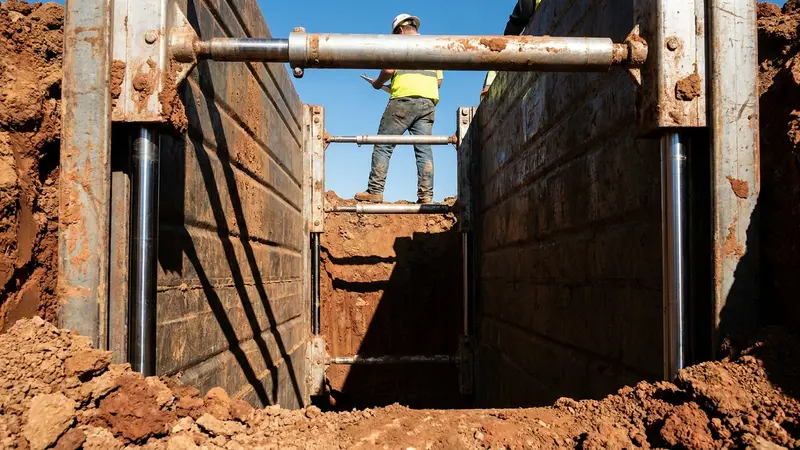
The National Utility Contractors Association is hosting the Trench Safety Stand Down June 15-19, open to all employers doing trench and excavation work. Utility and pipeline subcontractors can register crews online now.

The U.S. Chemical Safety Board is urging chemical facilities to complete hurricane preparations before a single storm can trigger a catastrophic release. Gulf Coast maintenance and turnaround subcontractors should expect heightened client scrutiny this season.

Enverus has partnered with Continental Resources, BPX Energy, Chord Energy, and Ranger Energy Services to launch LifeSaver, an AI-powered field safety platform built for oilfield workers. Field pilots are planned for 2026, starting in the Bakken.

The Chemical Safety Board's final report on a November 2024 explosion at a Louisville chemical facility found an undersized emergency pressure relief system contributed to two worker deaths. The findings carry direct implications for industrial maintenance subcontractors working around pressurized vessels.
OSHA found Canadian Pacific Kansas City violated federal whistleblower protections after suspending a union chairman who reported a train collision to federal regulators. Field service employers take note.
A new study from ISEA and J. J. Keller finds that compliance, comfort, and safety culture remain the top challenges facing PPE programs, with more than two-thirds of organizations unable to get workers to consistently wear required equipment.
The Department of Transportation reaffirmed its zero-tolerance marijuana policy for safety-sensitive transportation workers following the DEA's reclassification of marijuana as a Schedule III substance. Medical marijuana cards and physician recommendations do not override DOT drug testing rules.
A sleep scientist speaking at the 2026 IADC Drilling Onshore Conference outlined how drilling operators can apply circadian science to reduce safety incidents linked to chronic sleep debt in shift workers.
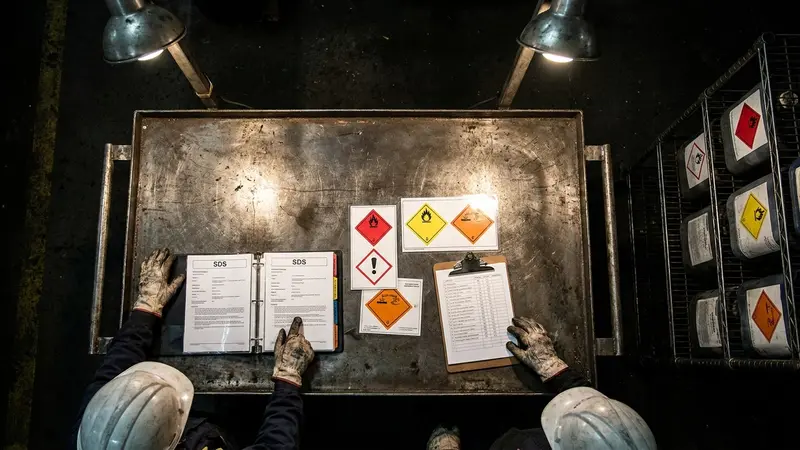
OSHA's revised inspection procedures now align with its 2024 HazCom standard update. Employers using chemical products must update hazcom programs, labeling, and training by November 20, 2026.
June marks the 30th anniversary of National Safety Month, with the National Safety Council offering free resources, weekly safety themes, and toolkits for workplaces.
New research from Safety+Health Magazine finds 64% of safety leaders identify a disconnect between written protocols and how workers actually behave on the job.
Safety+Health Magazine makes the case that frontline supervisors, not policies or programs, are the single most consistent driver of day-to-day safety outcomes. Here's what that means for field service companies.

Safety professionals and a Louisiana energy services CEO share strategies for maintaining safety engagement when workers are spread across dozens of remote sites with little direct supervision.
Safety+Health Magazine outlines the five core principles of Human and Organizational Performance, a safety philosophy that builds system resilience around the reality that human error is inevitable.
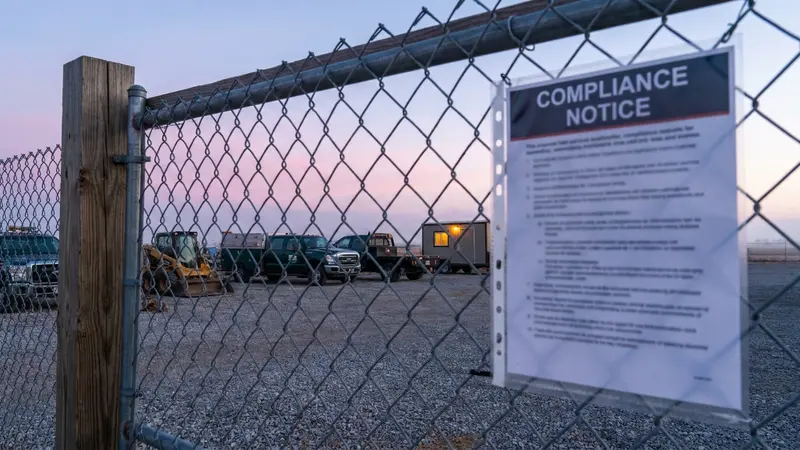
Oklahoma's H.B. 3127 establishes a zero-tolerance drug and alcohol standard for safety-sensitive workers starting November 1, 2026. Subcontractors in oil and gas, construction, and utilities need to review their policies now to stay compliant and contract-eligible.
Industry executives say Canada is becoming more attractive for oil and gas investment under Prime Minister Carney, but high operating costs and an unbuilt pipeline still create uncertainty for Western Canadian field operators.
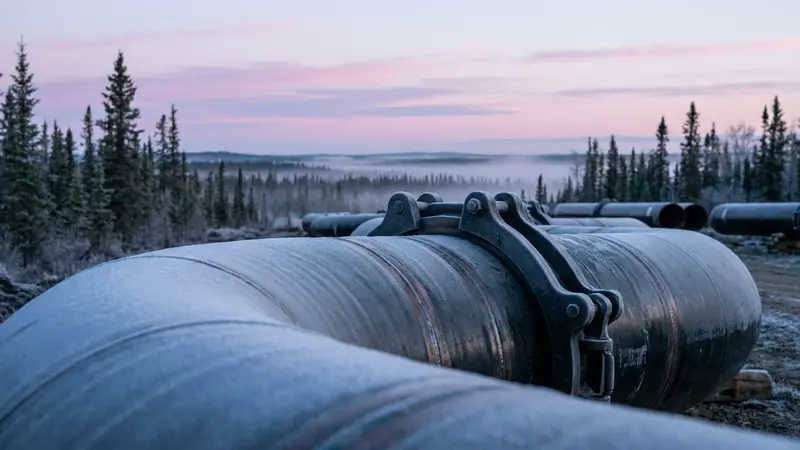
Prime Minister Mark Carney and Alberta Premier Danielle Smith have signed a pipeline agreement to move over 1 million barrels of Canadian oil per day to the Pacific coast for export to Asian markets, signaling a major construction wave for Western Canadian pipeline contractors.
The Senate unanimously passed the bipartisan PIPELINE Safety Act, reauthorizing PHMSA's pipeline safety program for five years. Industry leaders are now pressing the House to pass its companion PIPES Act of 2025 before reconciling the legislation for the President's signature.
A Miami-based injury attorney says predictable work zone dangers create legal responsibility for trucking companies and construction crews, not just accident statistics to acknowledge.
When incident logs, maintenance platforms, and ERP systems don't share data in real time, the gaps between them become a hazard of their own. Here's what field operations teams need to audit now.
The EPA has proposed revisions to effluent limitations guidelines for coal-fired power plants, potentially eliminating certain treatment requirements and cutting $1.1 billion in annual costs. Environmental subcontractors bidding compliance work in the utility sector face real uncertainty as the regulatory landscape shifts.
A Colorado bill advancing through the state legislature would require data collection on temperature-related workplace injuries and the development of a model injury prevention plan by 2028. Outdoor and field contractors in Colorado should take note.
A California assembly bill would transfer responsibility for investigating workplace fatalities and permanent disability incidents from Cal/OSHA to state prosecutors, a shift that could expose subcontractors to criminal liability well beyond traditional regulatory fines.
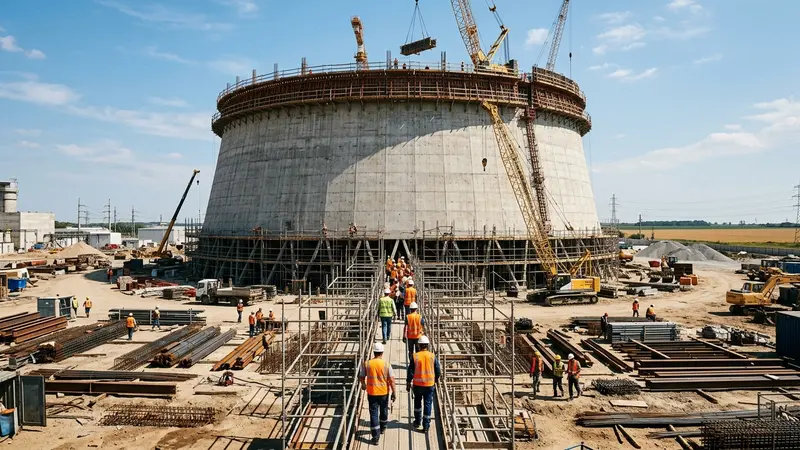
Bechtel and North America's Building Trades Unions have signed a memorandum of understanding to modernize apprenticeship programs for nuclear construction, including small modular reactors, as power demand accelerates.
Cameron Swanson of Ontivity outlines practical driving safety guidance for communication tower workers in a new video from NATE, covering distracted driving, spotter use, load securement, and defensive driving.
A new Dodge Construction Network report finds small construction firms improving safety metrics faster than larger peers, but still falling short on formal safety program adoption.
When a worker's behavior changes, safety supervisors need a clear, documented process for identifying impairment without crossing legal lines. ISHN breaks down the steps.
A new Travelers Cos. report analyzing 1.2 million workers' comp claims finds workplace injuries are growing more complex and taking longer to heal, with construction workers missing the most time of any industry studied.

National COSH's 2026 Dirty Dozen list names the companies with the worst workplace safety records, released as federal enforcement hits a historic low. Here's what subcontractors need to know.

Construction safety experts share practical tactics for running jobsite stand-downs that engage craft workers and deliver lasting impact, beyond a checkbox exercise.
OSHA is calling on construction employers nationwide to participate in the 2026 National Safety Stand-Down to Prevent Falls, held May 4-8. Here's what subcontractors need to know.

Safety programs stall when they stop at awareness training. ISHN breaks down the progression from consciously unsafe to habitual safe behavior, and what field leaders need to do differently.
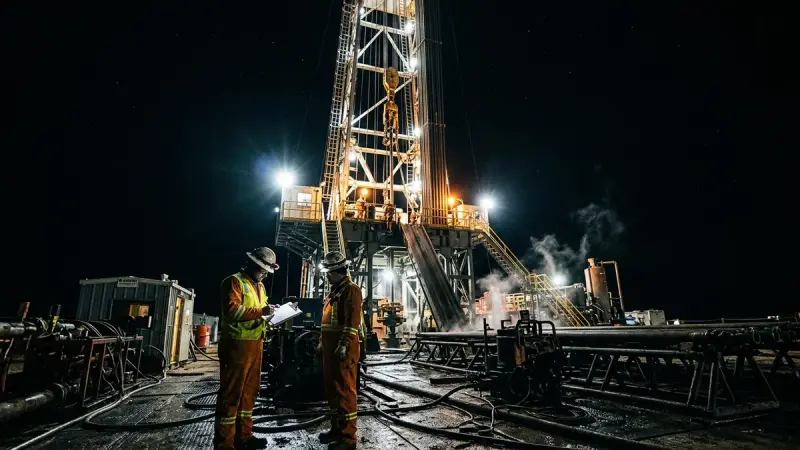
Associated Builders and Contractors' 2026 Health and Safety Performance Report finds that contractors using the ABC STEP system achieve incident rates 686% safer than the national construction average, with major implications for subcontractors managing EMR thresholds and bid eligibility.
Construction Today breaks down the criteria that separate top-rated rigger certification programs from basic compliance courses, with implications for subcontractors managing lift operations.
OSHA cited three subcontractors for powered industrial truck safety violations following the July 2025 death of a construction worker at Camp East Montana in El Paso, Texas. Here's what field service companies need to know.

Canada's Building Trades Unions are pressing labour ministers to harmonize construction safety training across provinces, with a review deadline set for Fall 2026. Fragmented provincial systems are costing contractors time and money.
OSHA's Eric Harbin, administrator of the Dallas Region, discussed fall protection failures, lockout/tagout compliance, and the agency's current enforcement posture in a new interview with Safety+Health Magazine.
The Pipeline and Hazardous Materials Safety Administration is hosting public prep sessions before key international meetings on dangerous goods transport regulations. Subcontractors handling hazardous materials should track any rule changes that could affect compliance requirements.
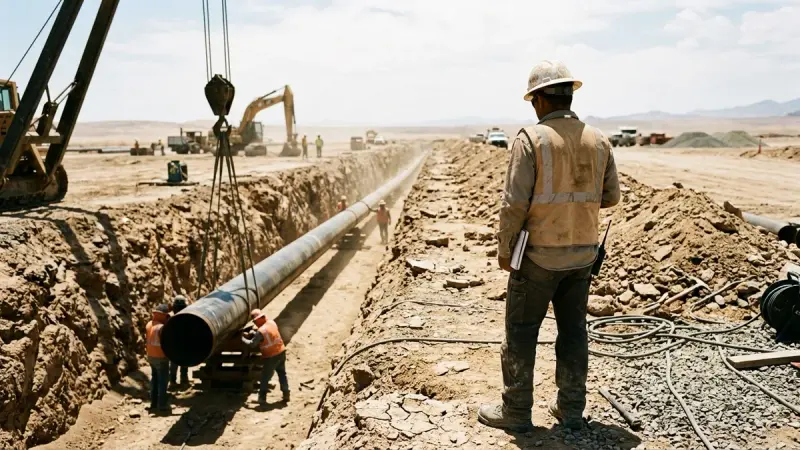
New workers account for a disproportionate share of workplace fatalities, with 47% of new-hire injuries occurring in the first 30 days. Here's what the data says and what subcontractors should do about it.
The U.S. Chemical Safety and Hazard Investigation Board has opened an investigation into a fatal hydrogen sulfide release at a West Virginia catalyst refining facility that killed two workers and injured more than 30 others.
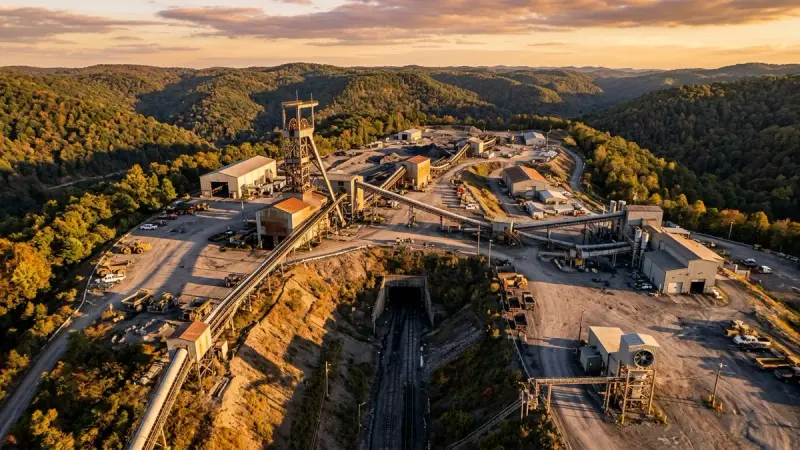
Two West Virginia coal miners died in separate accidents within 24 hours in early April 2026, both at mines with documented histories of dozens of safety violations. Here's what field contractors working near mining and heavy excavation sites need to know.

Helmerich & Payne has deployed Caterpillar's DGB Gen 2 Kit across 12 FlexRig rigs, displacing up to 85% of diesel with natural gas at a fraction of the cost of new engine replacement. Here's what it means for drilling subcontractors.
Xwatch Safety Solutions and RodRadar have partnered to create what they call the industry's first safety-grade system that physically halts excavator bucket movement the moment underground utilities are detected.

Most maintenance operations don't have a knowledge problem, they have an execution problem. Here's how subcontractors can apply plant reliability principles to win repeat contracts and cut costly callbacks.
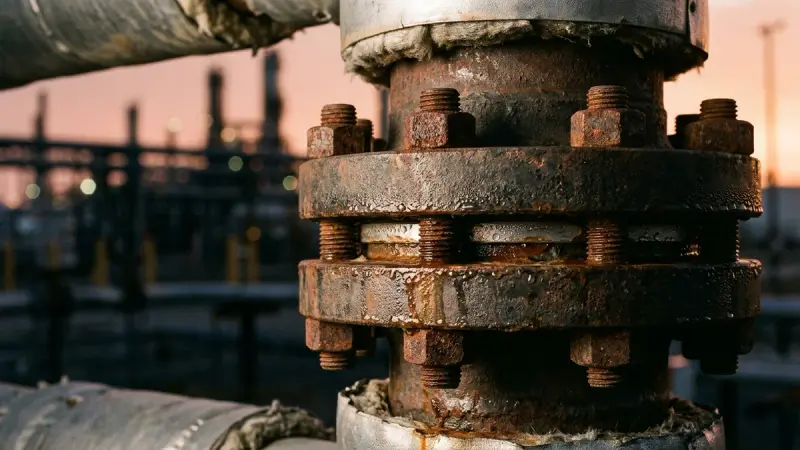
Inspectioneering Journal outlines a structured 12-step process for investigating fixed equipment mechanical integrity incidents, from near-misses to major releases, giving field operators a repeatable framework for learning and liability protection.
A coalition of more than 40 organizations is urging California to halt rulemaking on worker walkaround representation, arguing the proposed rule exceeds Cal/OSHA's authority and threatens employer property rights.
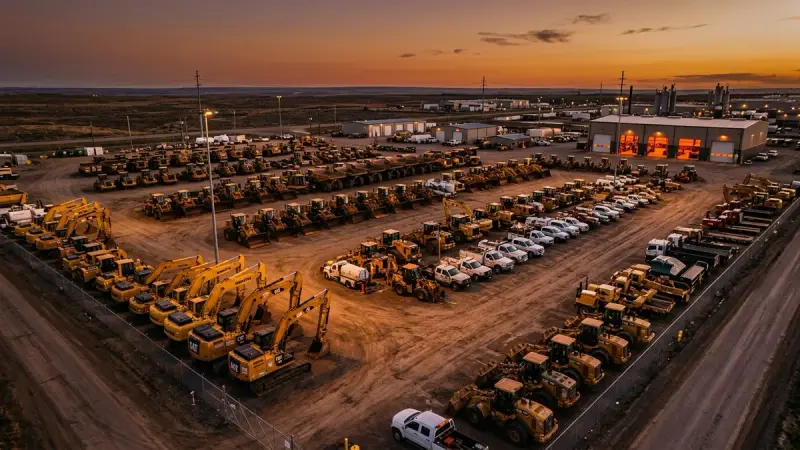
OSHA's lockout/tagout standard requires employers to control hazardous energy during equipment maintenance. Here's a practical breakdown of the key requirements for field service teams.

A new national survey from the Mechanical Contractors Association of Canada reveals that non-harmonized provincial safety certifications are hitting multi-jurisdictional contractors with significant costs, administrative burden, and project delays — with no measurable safety benefit.

Texas811 has launched Guardian, a patent-pending damage prevention system that converts existing fiber-optic lines into real-time excavation monitors and alerts utility operators when digging starts without an active 811 ticket.
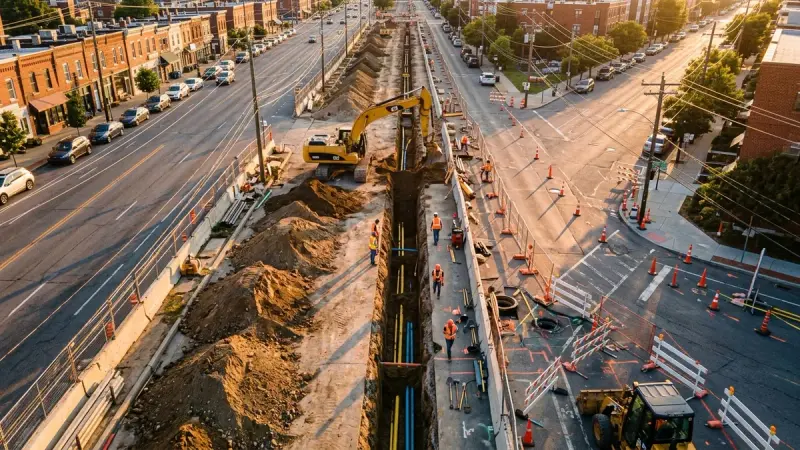
A Volvo Construction Equipment expert breaks down bucket selection, spoil placement, and machine technology as the keys to faster, safer utility trenching. Here's what subcontractors need to know.
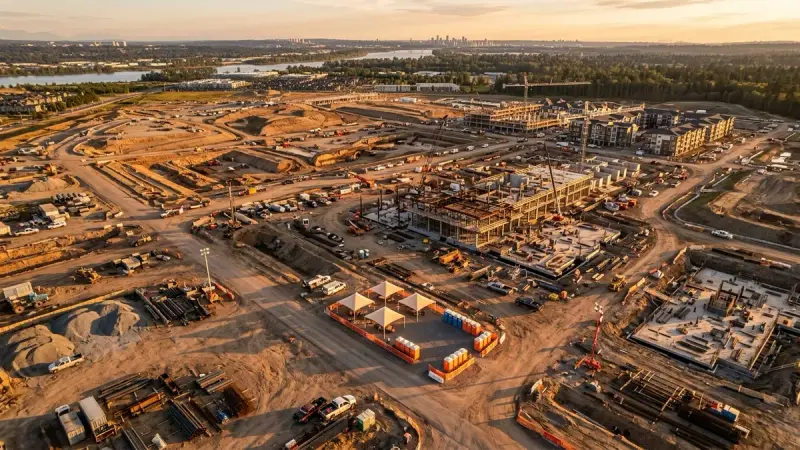
OSHA has issued an updated National Emphasis Program on heat hazards that runs through 2031, with compliance officers authorized to conduct random inspections of high-risk industries on days when the heat index hits 80 degrees or more.
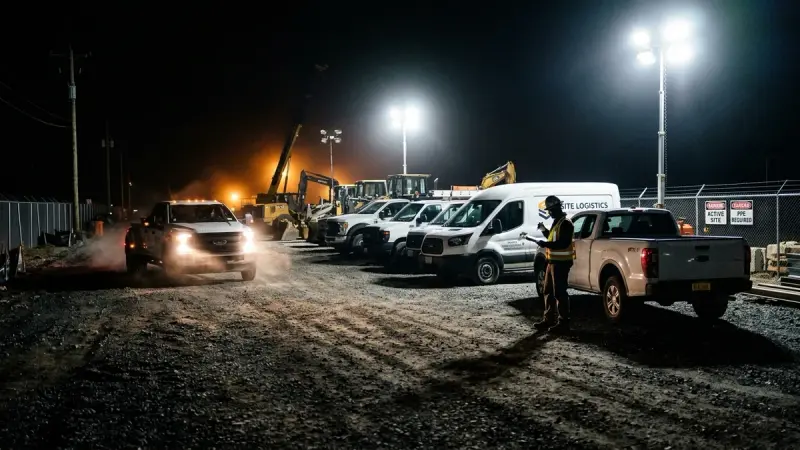
Construction Executive outlines why fleet safety programs, from driver screening to telematics, are a risk management and business development priority for contractors with vehicles on public roads and active jobsites.
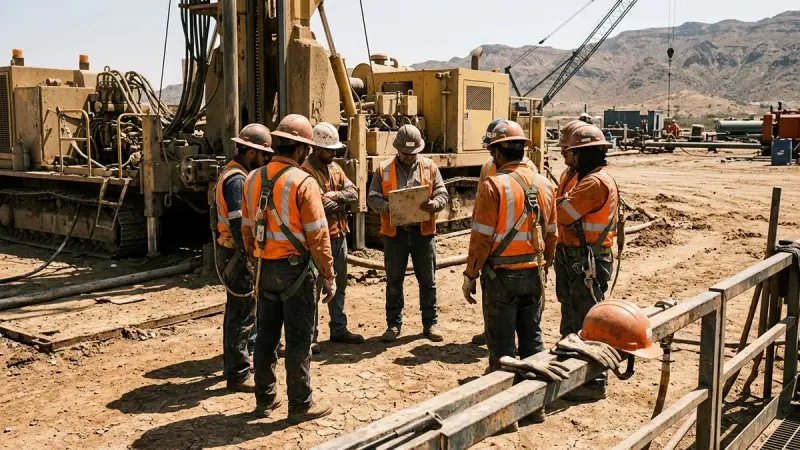
The Trump administration's proposed FY2027 budget would slash OSHA's enforcement funding from $243 million to $210.3 million and reduce annual inspections by more than a quarter, with enforcement staff already at historic lows.
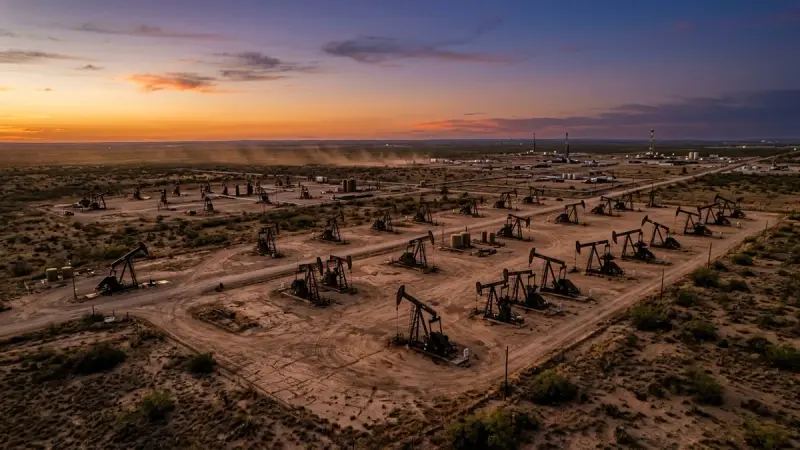
OSHA released an updated Heat National Emphasis Program on April 10, 2026, maintaining aggressive enforcement targets for outdoor worksites. Here's what oil and gas and heavy civil subcontractors need to know before inspectors show up.

When asset integrity operates separately from process safety management, everyone in the field pays the price. A MISTRAS Group executive explains why integration matters and what it means for subcontractors working in PSM-covered facilities.
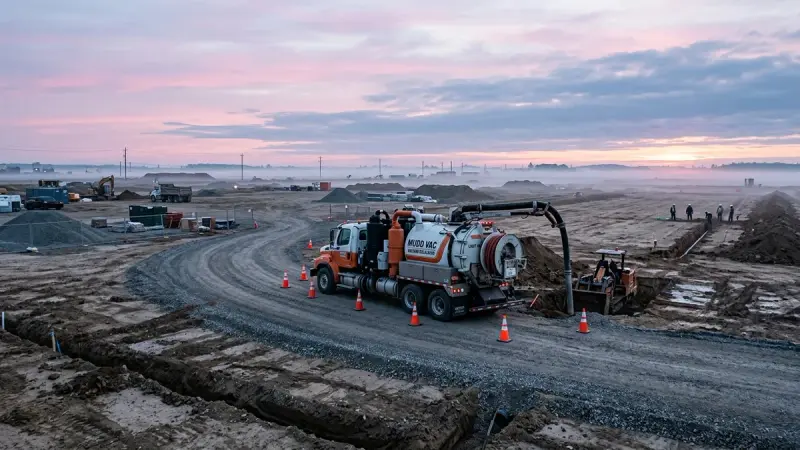
As Construction Safety Week 2026 approaches (May 4-8), a fatal vacuum excavator accident in Louisiana puts equipment pinch points and crush hazards in the spotlight for field crews.

OSHA wants to eliminate the 2036 deadline requiring fall arrest or ladder safety systems on fixed ladders over 24 feet, letting employers upgrade at end of service life instead. Subcontractors with fixed ladders should track this rulemaking before the June 5 comment deadline.

ISHN outlines why consistent scaffold inspection routines, not just compliance paperwork, are the practical difference between safe operations and costly citations for construction and industrial contractors.

Suncor Energy confirmed a steam leak at its Firebag oil sands facility in Alberta has been resolved. The incident underscores the maintenance and integrity demands facing SAGD operators and their subcontractors.
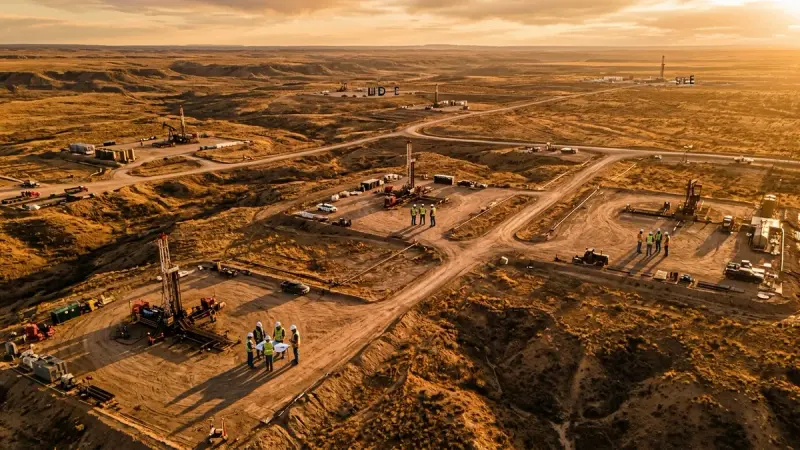
Documentation-heavy safety programs are giving field contractors a false sense of compliance. Here's where real risk is hiding across multi-site operations, and what to do about it.

AGC of America and HCSS are collecting data on work zone crash frequency and impacts. Highway and transportation contractors have until May 8 to complete the survey and help shape future safety standards.

Respiratory protection ranks among OSHA's top five most-cited violations. A compliance expert breaks down the fit-testing errors that get field service companies cited, even when they think their program is solid.
The Associated General Contractors of America participated in OSHA's 2026 Alliance Program Construction Roundtable in March, joining industry and government leaders to address ongoing construction safety challenges.
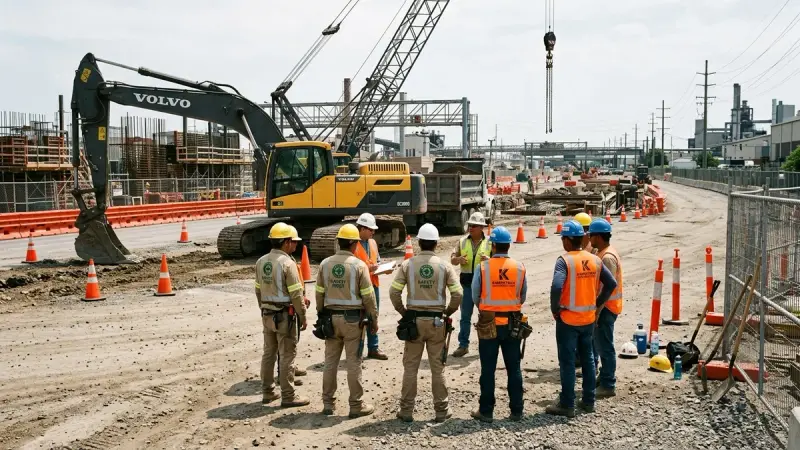
The National Stand-Down to Prevent Struck-By Incidents takes place April 20-24 during National Work Zone Awareness Week. Struck-by hazards are the leading cause of nonfatal injuries in construction, making this week relevant for any subcontractor working near traffic, equipment, or overhead loads.
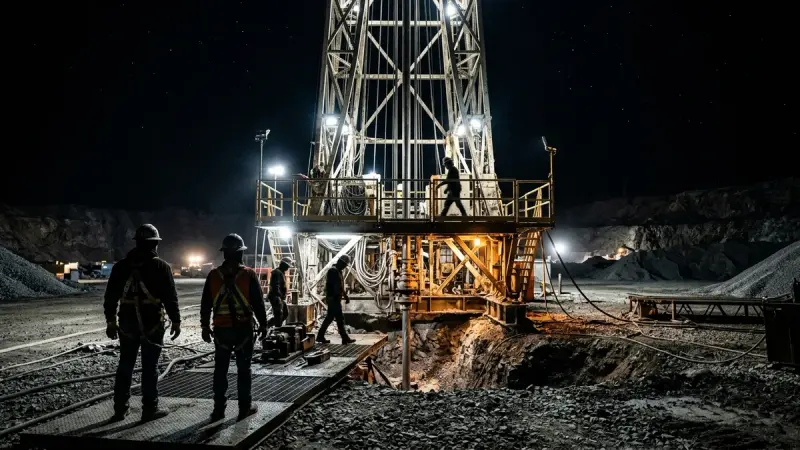
From a stalled silica rule to new S&S citation standards, Pit & Quarry outlines six enforcement developments that could significantly change compliance obligations for mine operators and their subcontractors.

A Texas legislative task force on petroleum theft held its second quarterly meeting in Midland, with data showing more than 40% of oil and gas operators reported theft impacts in the past year. Here's what Permian Basin subcontractors need to know.

Industry executives gathered in Naples, Florida to discuss MSHA regulatory developments, infrastructure funding, and market conditions affecting the aggregates sector.

OSHA 1926.651 sets specific requirements for excavation safety during utility installation work. Here's what field subcontractors need to know to avoid violations, fines, and liability.

A new case study from Inspectioneering Journal details how PAUT is replacing traditional radiographic testing for HRSG piping welds, offering inspection contractors a radiation-free method with faster results and less production downtime.
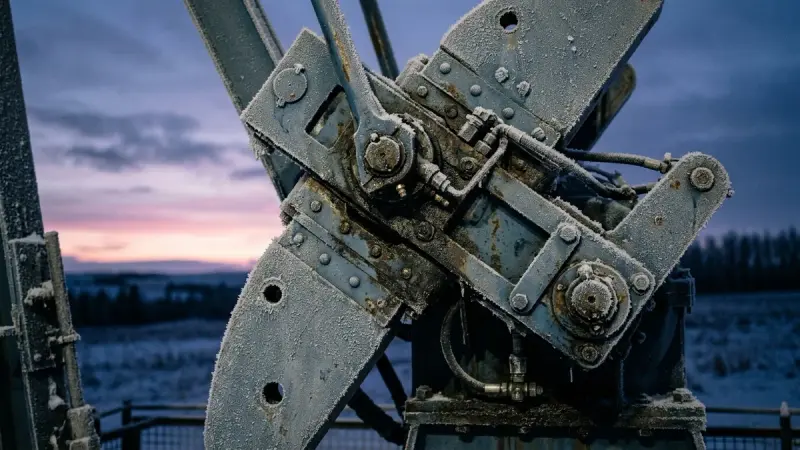
Industry voices in Alberta are raising alarms about the compounding effect of federal and provincial regulations on energy competitiveness. Here's what subcontractors and field service companies need to know.
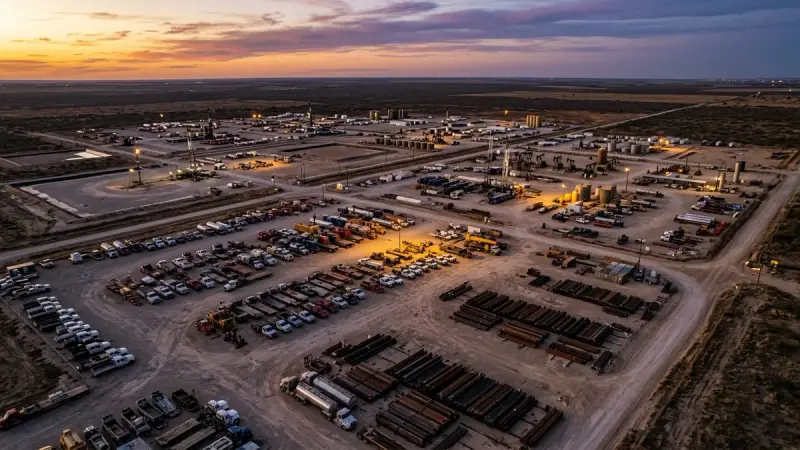
The Texas Railroad Commission assessed nearly $2 million in oil and gas enforcement fines, split between operators who failed to appear at proceedings and those under agreed compliance orders.

DrillDocs' CleanSight system uses computer vision and edge computing to analyze drill cuttings in real time, aiming to cut nonproductive time from stuck pipe and BHA failures on deeper wells.

The Department of Defense's Cybersecurity Maturity Model Certification requirement is now a compliance reality for federal construction contractors. AGC of America has launched new resources to help firms get ready.
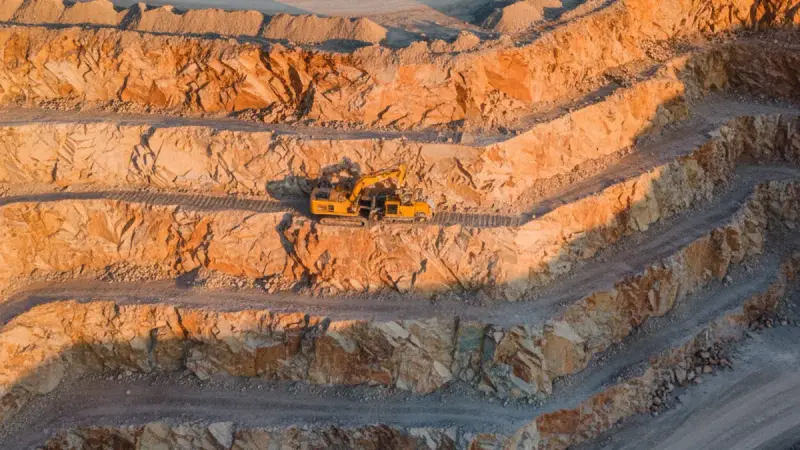
Vermeer Specialty Excavation has introduced the SM55 surface miner, a compact machine designed to cut through material layer by layer and eliminate the need for drilling and blasting on excavation and aggregate sites.

Louisiana-based oilfield services company Danos Group recorded its lowest-ever Total Recordable Incident Rate in 2025, hitting 0.07 companywide across more than 11.5 million work hours. Here's what the benchmark means for subcontractors competing on safety performance.

Federal agency ends Endangered Species Act protections for lesser prairie chickens, eliminating habitat safeguards for oil and gas operations across Texas, New Mexico, Oklahoma, Colorado and Kansas.
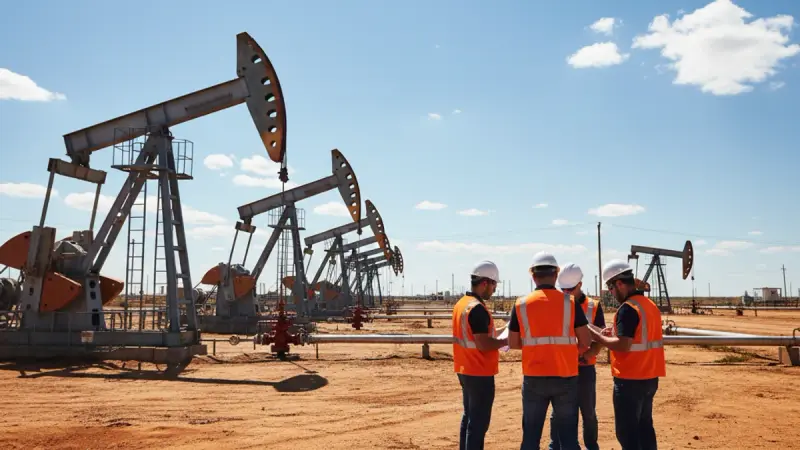
Trump administration seeks to reverse 2024 regulation that made it harder to classify workers as independent contractors, potentially easing compliance burden for construction subcontractors.
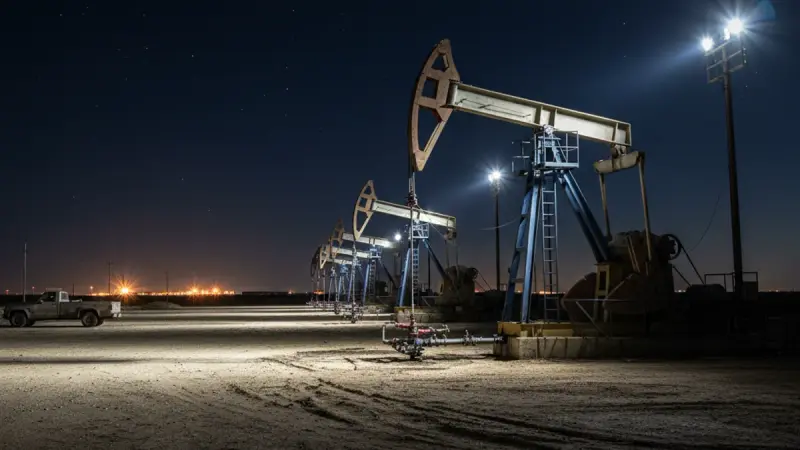
RRC Chairman Jim Wright's environmental services and oilfield operations experience shapes regulatory approach for Texas energy production.

Federal repeal of 2009 greenhouse gas regulations could boost oil demand but trigger state-level compliance complications for field service companies.
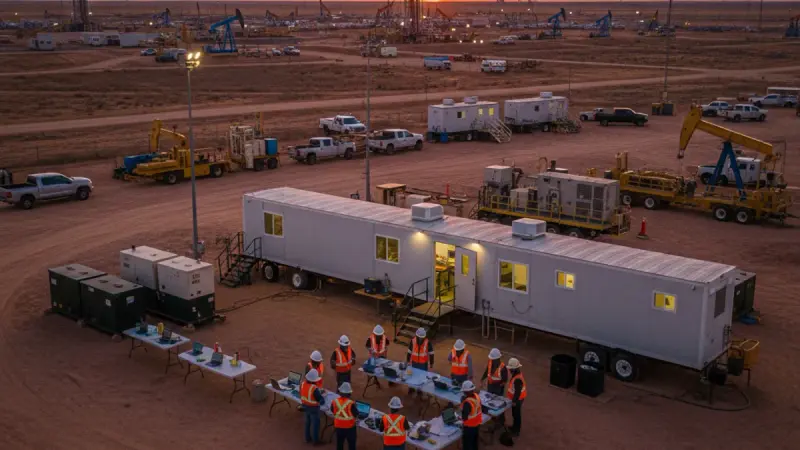
Railroad Commission hosts remote listening sessions every other month where subcontractors can influence regulatory decisions and ask questions about permits, compliance, and operations.
Browse 30,000+ field service companies by trade, region, and specialty.
The week in oil & gas and heavy construction: market data, the big story, and where the work is. Every Sunday, in 60 seconds.
You're in. The Field Report lands Sunday.
Look for it in your inbox Sunday morning.
Something went wrong. Please try again.
Free, no spam, unsubscribe anytime.