Federal Watchdog Says MSHA Unprepared for Simultaneous Mine Emergencies
According to Safety+Health Magazine, the Department of Labor’s Office of Inspector General has concluded that the Mine Safety and Health Administration “may be insufficiently prepared to handle multiple simultaneous mine emergencies” or a larger-scale disaster, and that the agency “needs to improve its preparedness.”
What the Report Found
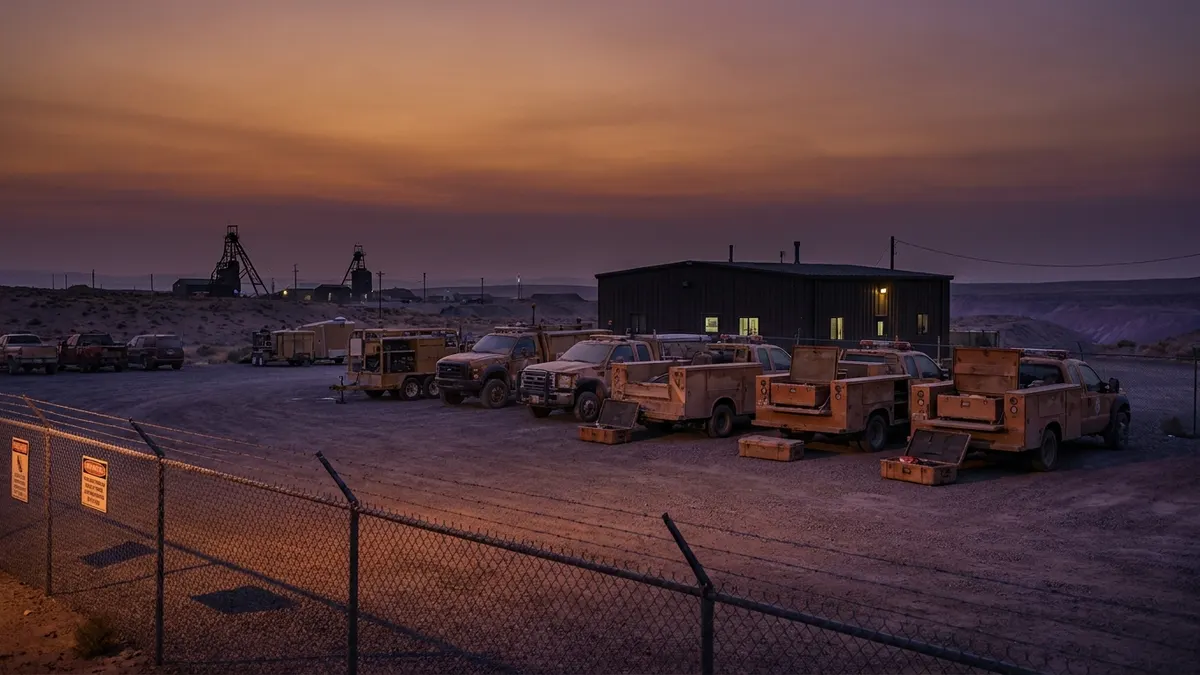
The DOL OIG report acknowledges that industry stakeholders “generally reported positive feedback on MSHA’s response to past mine emergencies,” but identifies several persistent gaps that undermine the agency’s readiness. Those include failing to keep guidance current, not ensuring equipment availability at mine rescue stations during emergencies, and inadequate training for staff involved in emergency response.
The inspector general attributes these shortfalls to MSHA’s struggles to “effectively design or execute aspects of its internal control system, such as providing supervisory oversight and developing or following guidance.” The report warns that ineffective emergency response protocol could trigger delays or confusion during lifesaving situations. DOL OIG issued 11 recommendations, covering refresher training, guidance development for district staff, vehicle and equipment standards for rescue stations, and systematic review of after-action reports. MSHA administrator Wayne Palmer agreed with most recommendations in a written response, though he suggested some findings may stem from a “misunderstanding” between the two agencies.
What It Means for Subcontractors
Mining-adjacent contractors, surface maintenance firms, and industrial service companies working at or near extractive sites should take note of this report.
- If MSHA response times slow during multi-site emergencies, contractors on site carry more of the immediate burden. Review your own emergency response plans and don’t assume federal resources will arrive quickly.
- Equipment availability gaps at MSHA rescue stations mean contractors should audit whether their own on-site rescue equipment meets current standards, not just minimum compliance thresholds.
- The report’s emphasis on outdated guidance is a reminder to verify that any MSHA directives you reference in your safety programs are current. Palmer noted MSHA “revalidates all agency directives on a regular basis,” but the OIG report suggests that process has gaps.
- Contractors performing work under mine operator contracts may face increased scrutiny if MSHA moves to tighten its internal oversight systems in response to the 11 recommendations. Expect potential updates to district mine emergency response plan requirements.