OSHA 1926.651: What Excavation Contractors Must Do to Stay Compliant
According to ISHN, OSHA 1926.651 lays out the core safety requirements for excavation work tied to underground utility installation, covering everything from pre-dig utility locating to cave-in protection and competent person oversight. For subcontractors running excavation crews, this regulation is one of the most frequently cited in construction safety enforcement, and getting it wrong carries real financial and legal consequences.
Background
OSHA’s 1926 Subpart P covers excavation and trenching operations under the broader construction safety standard. Within that subpart, 1926.651 addresses “specific excavation requirements,” meaning the day-to-day operational obligations that apply before and during any open excavation, particularly where underground utilities are involved.
Excavation-related fatalities and injuries remain a persistent problem across the US construction and utility sectors. Trench collapses are among the most deadly events a crew can face, and OSHA has consistently prioritized enforcement in this area. According to ISHN, excavation work carries significant hazards that require structured precautions, not just general awareness.
The regulation is directly relevant to subcontractors in pipeline, telecom, water, gas distribution, and electrical utility work, especially across high-activity markets like the Permian Basin, Gulf Coast, and expanding suburban infrastructure corridors in Texas, Colorado, and the Midwest.
Analysis
The three pillars of 1926.651 compliance, as outlined in the ISHN analysis, are utility location, cave-in protection, and competent person oversight. Each one creates distinct obligations that subcontractors need to operationalize before boots hit the ground.
On utility locating, the regulation requires that all known underground installations, sewer lines, telephone cables, electric lines, and others, be identified before any excavation begins. If a utility company doesn’t respond to a location request within 24 hours and no state or local law requires a longer waiting period, crews can proceed. However, that doesn’t eliminate liability if something gets struck. The smarter play is using underground locating tools to narrow down exact locations rather than relying solely on utility company markings. Several states, including Texas, have their own 811 call requirements with waiting periods and civil penalties for violations that run parallel to OSHA enforcement.
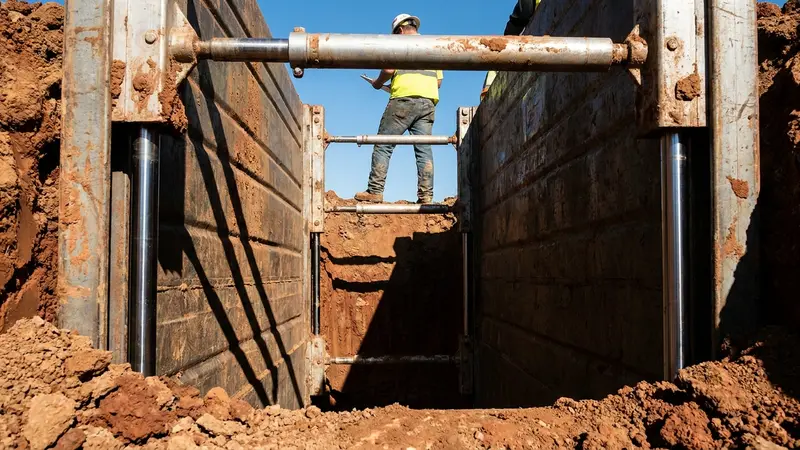
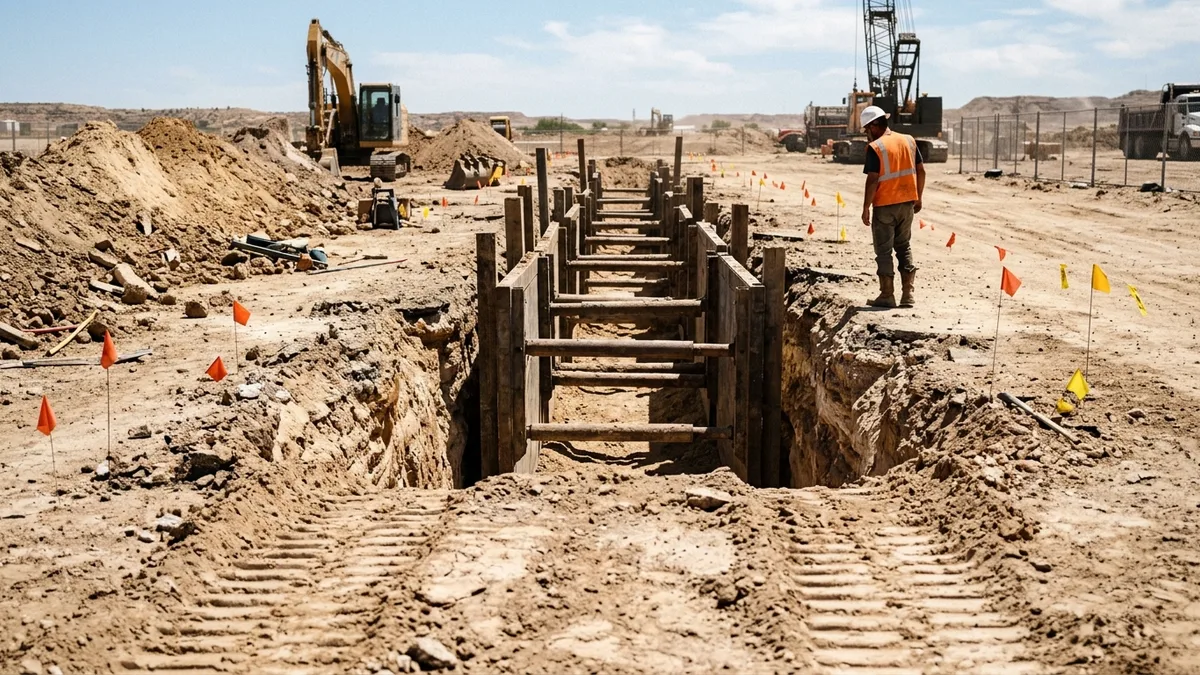
Cave-in protection gets more complicated. The regulation requires that protective systems, whether sloping, shoring, or trench boxes, be in place while excavations are open. Water accumulation is a specific trigger: workers cannot enter a trench with standing water unless removal equipment is operating or other precautions are in place. Surface drainage disruption requires additional inspections. These aren’t optional add-ons. They’re conditions that must be met before work continues. Subcontractors who cut corners here are exposed not just to OSHA citations, which can run into the tens of thousands of dollars per violation, but to civil litigation if a worker is injured.
The competent person requirement is where many smaller subcontracting operations fall short. OSHA’s definition of “competent person” is specific: someone who can identify existing and predictable hazards and has the authority to take corrective action, including pulling workers from a trench immediately. That person must conduct daily inspections and additional inspections after rain events or any condition change that could affect trench stability. Simply designating a foreman with no formal training doesn’t satisfy the requirement. Documentation of that person’s qualifications matters when OSHA shows up for an inspection or after an incident.
It’s worth noting that the ISHN piece covers the fundamentals clearly, but the real complexity for subcontractors lies in how 1926.651 interacts with state-level regulations and individual contract language. Some general contractors now require excavation subcontractors to carry documented competent person certifications, maintain inspection logs, and provide proof of utility locating before any trench work begins. Failing to meet those contractual obligations can create grounds for back-charges or contract termination on top of the regulatory exposure.
What It Means for Subcontractors
-
Verify utilities before every job, every time. Don’t assume previous locate tickets are still valid. Markings fade, and conditions change. Use physical locating tools to confirm exact positions, and document the process.
-
Have your competent person designated and documented. A name on a sign-in sheet isn’t enough. That person needs verifiable training, must conduct and log daily inspections, and must have actual authority to stop work. Keep those inspection records on site.
-
Treat water in a trench as a stop-work condition. Don’t let schedule pressure override this. Water changes soil behavior fast and dramatically increases cave-in risk. Remove water and reassess before allowing re-entry.
-
Know your state’s 811 and excavation rules. Texas, Colorado, and other active construction states layer additional requirements on top of OSHA. Violations of state dig laws can trigger separate fines and affect your contractor license status.
-
Check your subcontracts for excavation-specific language. More GCs are embedding OSHA compliance checkpoints into subcontract terms. A citation or incident on your crew can result in financial penalties beyond the OSHA fine itself.
-
Budget for protective systems upfront. Trench boxes and shoring are a cost of doing excavation work, not an optional expense. Pricing jobs without accounting for these creates pressure to skip them in the field, which is where liability starts.