CO2 Pipeline Buildout Could Open Major New Market for Pipeline Contractors
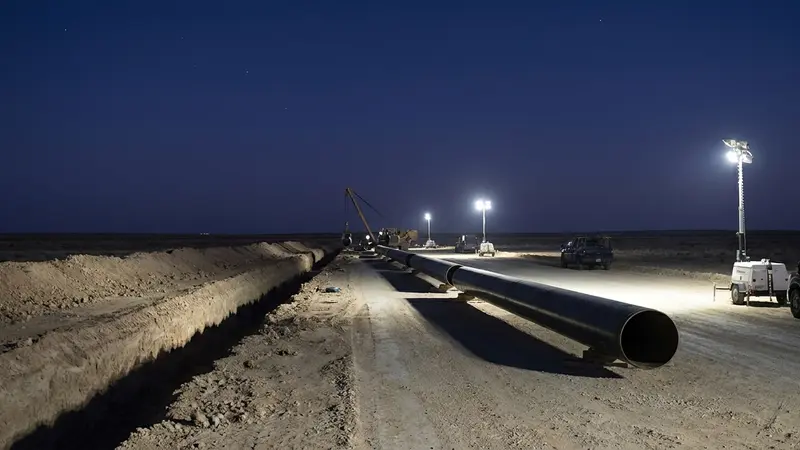
A massive gap between existing CO2 pipeline infrastructure and what net-zero targets will require could translate into decades of construction work for pipeline contractors, according to an analysis published in Pipeline Technology Journal. The publication reports that the global CO2 pipeline network currently totals just over 7,000 kilometers, but the US alone is targeting an expansion to 50,000 to 150,000 kilometers by 2050, a scale-up that dwarfs the existing system.
Background
Carbon capture and storage, or CCS, depends on pipelines to move compressed CO2 from industrial sources such as cement, steel, and oil sands facilities to underground storage sites in depleted reservoirs or saline aquifers, per the Pipeline Technology Journal analysis. The publication notes that pipelines remain the most efficient and cost-effective way to move large CO2 volumes over long distances, outperforming trucks, rail, or ships in most onshore and many offshore settings.
Today, the US already hosts more than 8,000 km of CO2 pipeline, moving tens of millions of tonnes annually, mostly for enhanced oil recovery, according to the analysis. But the buildout underway goes well beyond that legacy footprint. Norway’s Northern Lights project has begun injecting CO2 as the world’s first commercial third-party CCS transport and storage service, with capacity set to grow from 1.5 million tonnes per year to more than 5 million by 2028. In Canada, oil sands producers under the Pathways Alliance are targeting a late 2027 final investment decision on a CO2 transportation pipeline and storage hub meant to cut 6 million tonnes of emissions by the mid-2030s. The UK’s Northern Endurance Partnership and Liverpool Bay CCS are advancing offshore and reused pipeline segments, while Malaysia’s Kasawari project and Indonesia’s Sunda Asri hub are planning subsea CO2 pipelines to serve emitters across Southeast Asia, the analysis states.
The International Energy Agency, cited in the report, says CCS could deliver nearly 15% of cumulative emissions reductions under pathways consistent with limiting warming. Current global capture capacity sits at roughly 40 to 50 million tonnes per year, a fraction of the gigatonne-scale deployment needed by mid-century, meaning hundreds of thousands of kilometers of new CO2 pipeline will be required worldwide.
Analysis
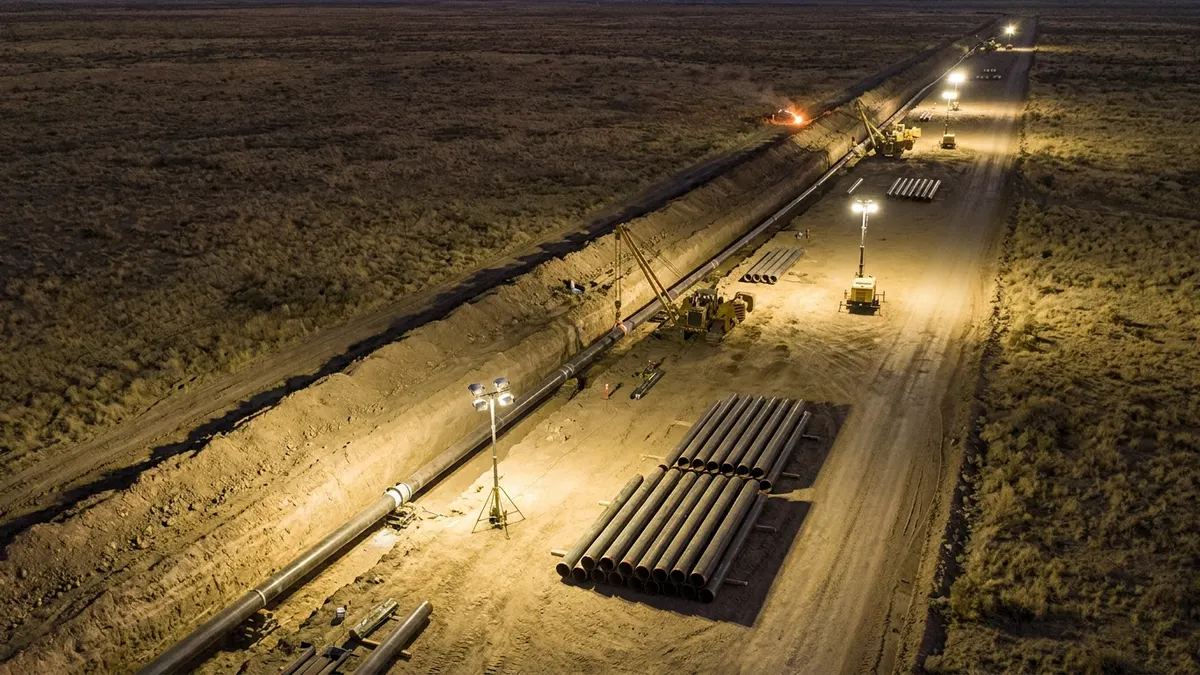
For pipeline contractors, this is less a single project wave and more a multi-decade infrastructure category taking shape. The projected 50,000 to 150,000 km US target implies sustained demand across welding, coating, trenching, HDD crossings, and inspection work, not a one-time surge tied to a handful of headline projects. That said, the pace so far has been uneven. The analysis flags high capital costs, permitting delays, and public acceptance issues as persistent drags on project timelines, and it points to a 2020 pipeline incident in Mississippi as a factor that has slowed some US proposals specifically.
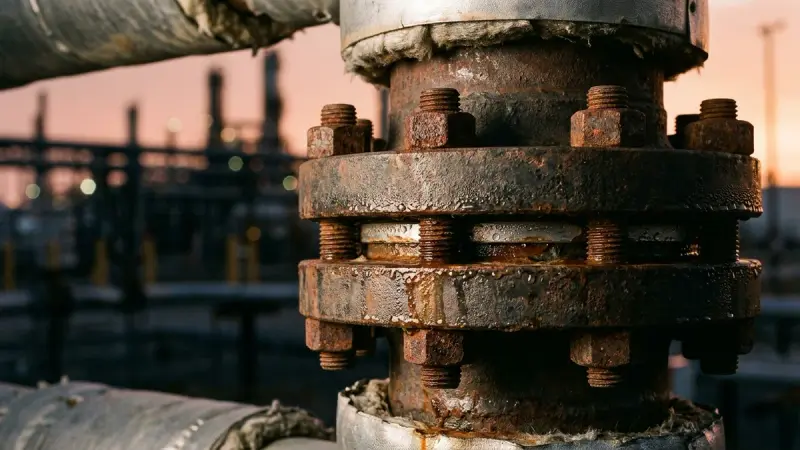
Dense-phase CO2 service also differs materially from conventional oil and gas pipeline work. The source notes corrosion risks from impurities in the CO2 stream and the need for rigorous monitoring, which means integrity management and inspection contractors with CO2-specific experience will be positioned differently than general pipeline crews. Companies that build out corrosion monitoring, leak detection, and materials expertise for dense-phase CO2 now are likely to have a competitive edge as more hubs move from FID to construction.
The regional pattern matters too. The analysis identifies the Gulf Coast, alongside the North Sea and Southeast Asian waters, as a focal point for CCS hub development, putting it squarely in FieldNews’ core coverage area. Canada’s Pathways Alliance decision, expected late 2027, is another concrete milestone worth tracking for subcontractors north of the border, particularly those in Alberta’s oil sands service sector.
The bigger uncertainty is policy. The analysis notes that coordinated carbon pricing and shared infrastructure hubs are needed to keep projects moving, and that critics worry CCS could become a substitute for deeper emissions cuts rather than a complement. Contractors betting on this market should treat policy support as a leading indicator: where carbon pricing and hub-sharing frameworks are firming up, project pipelines (in both senses) tend to follow.
What It Means for Subcontractors
- Pipeline construction, welding, and HDD crews should track US CCS hub announcements in the Gulf Coast region as a growing source of work, given the federal target of 50,000 to 150,000 km of new CO2 pipeline by 2050.
- Corrosion monitoring, materials testing, and integrity management firms should build dense-phase CO2 expertise now, since the analysis flags impurity-driven corrosion and monitoring needs as distinct from standard oil and gas pipeline service.
- Canadian oil sands-focused subcontractors, especially in Alberta, should watch the Pathways Alliance final investment decision targeted for late 2027, tied to a CO2 pipeline and storage hub meant to cut 6 million tonnes of emissions by the mid-2030s.
- Firms with offshore and subsea pipeline capability should note international activity, including the UK’s Northern Endurance Partnership and Liverpool Bay CCS, and Southeast Asian projects like Malaysia’s Kasawari (138 km subsea line, first injection targeted 2027) and Indonesia’s Sunda Asri (180 km pipeline), as potential models for US Gulf Coast offshore CCS build-out.
- Contractors bidding CCS work should factor permitting delays and public acceptance hurdles into project timelines, as the source specifically cites a 2020 Mississippi pipeline incident as a factor that has slowed proposals in the US.