OSHA-Backed Struck-By Stand Down Runs April 20-24, Targeting Construction's Top Injury Cause
According to OSHA and the Associated General Contractors of America, the National Stand-Down to Prevent Struck-By Incidents is scheduled for April 20-24, 2026, coinciding with National Work Zone Awareness Week. The annual event focuses on hazards including falling and flying objects, vehicle and equipment strikes, and crane swing dangers.
Why Struck-By Hazards Matter in the Field
Struck-by incidents are the number one cause of nonfatal injuries in construction, according to OSHA and CPWR — the Center for Construction Research and Training. For subcontractors working in work zones, on pipeline corridors, at wellsites, or around heavy equipment, that ranking reflects a daily reality. OSHA designates struck-by hazards as one of construction’s “Fatal Four,” a group of hazard categories that account for the majority of worker deaths in the industry each year.
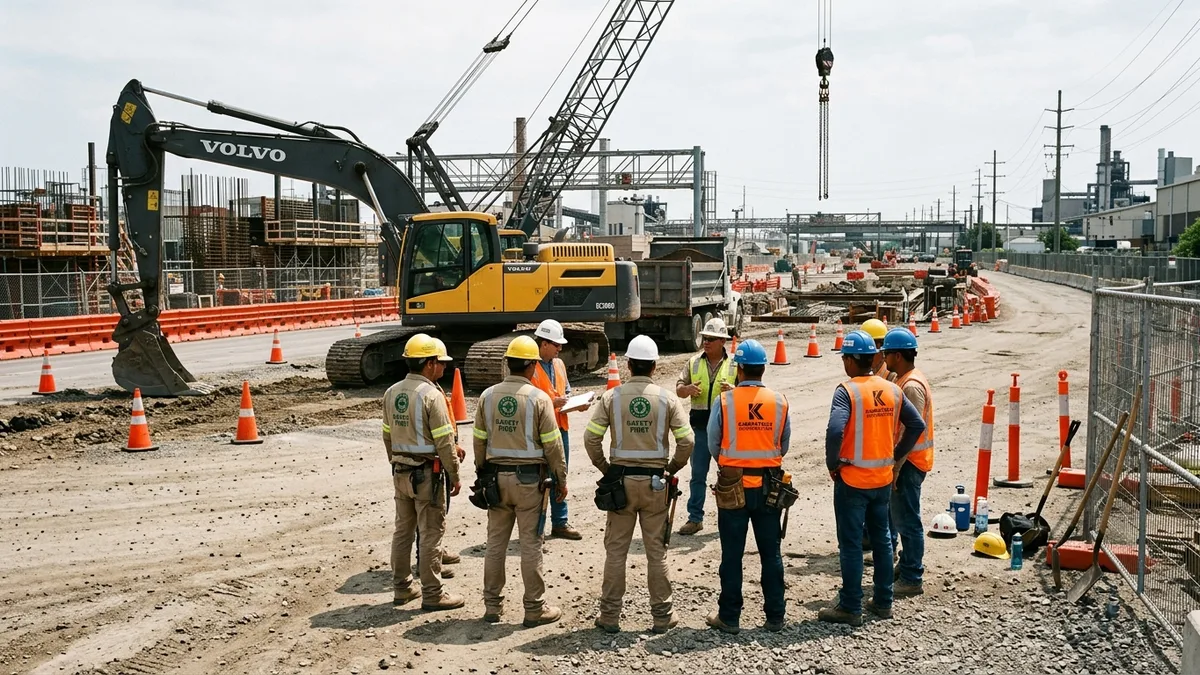
The stand-down gives field crews a structured reason to pause and review jobsite exposure. Employers who participate can document the activity, which can support OSHA compliance efforts and demonstrate due diligence in the event of an incident investigation.
What It Means for Subcontractors
- Schedule a toolbox talk during the April 20-24 window covering your crew’s specific struck-by exposures, whether that’s swing radius around cranes, spotter protocols, or PPE requirements in active traffic zones.
- Document participation. A signed sign-in sheet and a brief summary of topics covered gives you a paper trail that can matter during OSHA inspections or post-incident reviews.
- Review your subcontract requirements. Many general contractors and operators require subcontractors to participate in stand-down events. Check your contract language now rather than the week of.
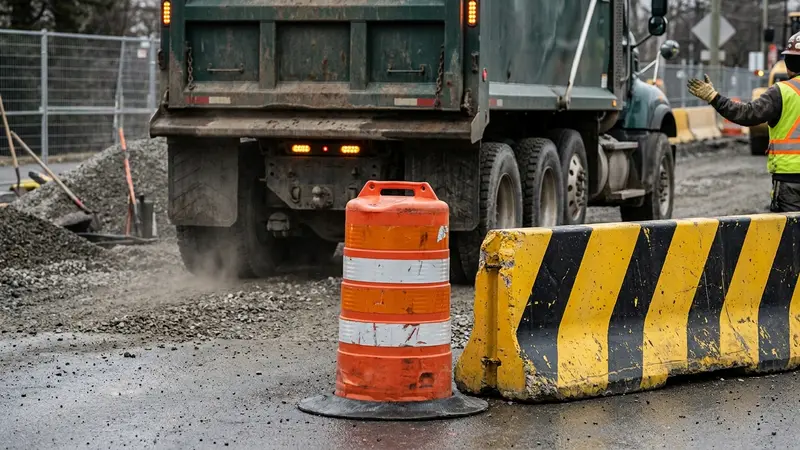
- Audit your work zone setup. National Work Zone Awareness Week is a practical prompt to verify that traffic control plans, spotters, and exclusion zones meet current OSHA and state DOT standards on any highway or right-of-way job.
- Canadian operators: WorkSafe BC and Alberta OHS carry similar struck-by provisions. While this stand-down is US-focused, the week is a useful trigger for Canadian field crews to run parallel reviews.