Texas Oilfield Theft Task Force Holds Second Meeting as Industry Reports Widespread Losses
According to Permian Basin Oil and Gas Magazine, Texas’ petroleum theft task force convened its second quarterly meeting in Midland on April 3, with members advancing work toward a December report to the state legislature. The meeting revealed a striking data point that should get every operator and subcontractor in the Permian Basin’s attention: more than 40% of oil and gas operators say their operations have been affected by theft in the past year.
That number is not a rounding error. It reflects a theft problem that has quietly grown into one of the more serious operational and financial risks facing field service companies in West Texas.
Background
The task force was established during the 89th session of the Texas Legislature in 2025, with the Railroad Commission of Texas playing a central role. Jim Wright, chair of the Railroad Commission, said he is “confident that this collaborative approach will deliver results,” according to Permian Basin Oil and Gas Magazine.
The group is organizing its December report to the legislature around four subcommittees: background and history, laws and regulations, economic analysis and impact, and recommendations. That structure signals the task force is building a comprehensive case, not just cataloguing incidents. A report with an economic analysis component suggests lawmakers are preparing to attach real dollar figures to the theft problem, which typically precedes stronger enforcement measures and potential legislative action.
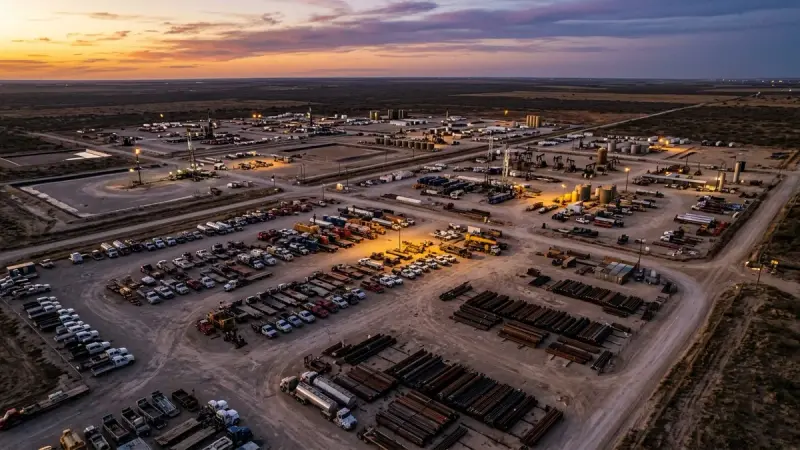
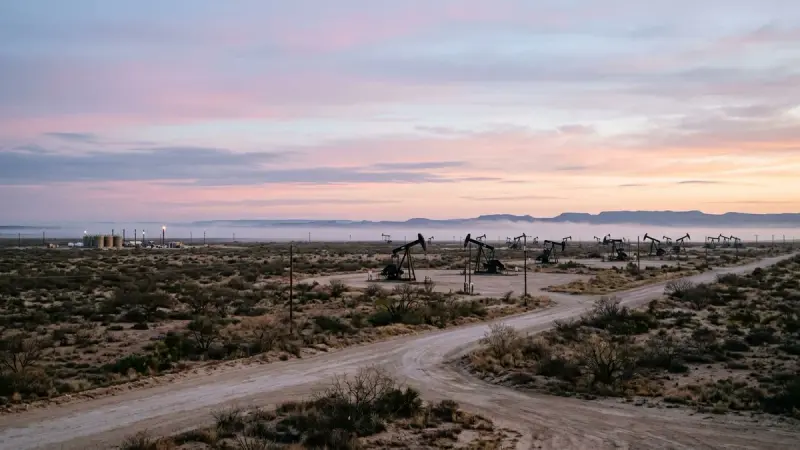
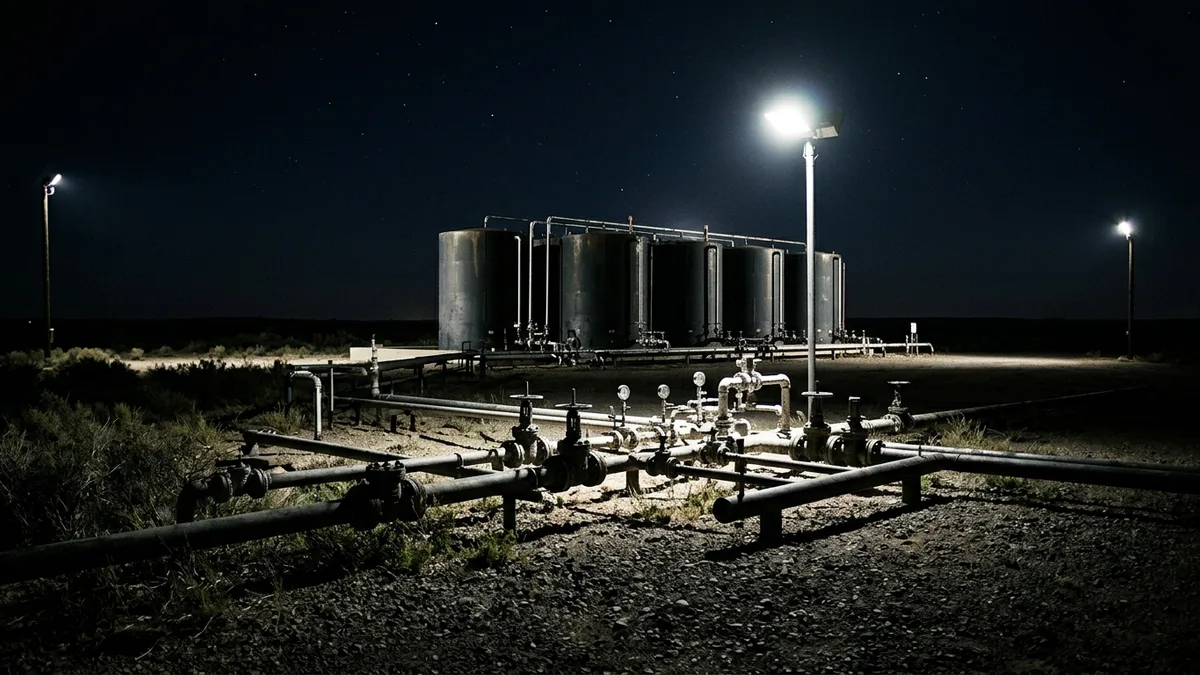
Petroleum theft in the oilfield takes several forms. Crude oil and condensate theft from tank batteries and pipelines is the most common, but equipment theft (generators, pumps, copper wiring, catalytic converters from company trucks) and fuel theft from wellsite tanks also carry significant costs. In the Permian Basin, where production infrastructure is spread across remote terrain in Midland, Ector, Andrews, and Reeves counties, among others, theft can go undetected long enough to add up to serious losses.
Analysis
The task force’s structure tells a story about where this is heading. When a Texas legislative body separates “laws and regulations” and “recommendations” into distinct subcommittees, it’s doing groundwork for potential new statutes or enhanced penalties. The Railroad Commission’s involvement adds regulatory weight. If the December report recommends stronger chain-of-custody requirements for crude oil purchases, expanded reporting obligations, or new licensing standards for oil field service companies, subcontractors operating in Texas will feel those changes directly.
The 40% impact figure also reframes the theft conversation. This isn’t a fringe problem affecting a handful of careless operators. It’s a systemic issue, and that scale typically produces systemic responses. Historically, when Texas has treated oilfield crime as a serious enforcement priority, it has moved through the Railroad Commission, the Texas Department of Public Safety, and local district attorneys working in concert. A coordinated legislative task force with a formal reporting deadline suggests the state is moving toward a more unified approach.
For subcontractors, the risk is both direct and indirect. Direct risk comes from your own equipment and materials being stolen on the job. Indirect risk comes from operators tightening site security protocols, access controls, and vendor credentialing requirements in response to pressure from insurers and regulators. If you’re hauling produced water, delivering chemicals, or running wireline in the Permian, expect that documentation and accountability requirements at wellsites will tighten over the next 12 to 24 months.
There’s also a liability dimension. If theft occurs at a wellsite where your crew was working, operators and their insurers will look closely at subcontractor access logs, chain of custody documentation, and personnel records. Being unprepared for that scrutiny is a business risk, not just an administrative inconvenience.
The task force’s December report won’t produce overnight changes. Legislative sessions, rulemaking, and enforcement ramp-up take time. But the direction of travel is clear, and companies that start building better documentation habits and site security practices now will be ahead of requirements that are likely coming.
What It Means for Subcontractors
- Audit your current documentation practices. Chain of custody records for materials, fuel, and equipment movement will likely become more important as regulatory scrutiny increases. Know where your gaps are before an operator asks.
- Review your equipment inventory and tracking. GPS tracking on high-value equipment (generators, pumps, trailers) is increasingly standard. If you’re not doing this, theft losses won’t just hurt your bottom line. They could delay jobs and damage operator relationships.
- Watch the December report. The task force’s recommendations to the legislature will be the clearest signal of what new requirements are coming. Budget and operational planning for 2026 and 2027 should account for possible new compliance obligations.
- Talk to your insurance broker now. Oilfield theft exposure affects your general liability and inland marine coverage. If theft losses are rising across the basin, insurers will reprice. Understanding your current coverage limits is worth doing before rates move.
- Expect tighter site access controls from operators. As operators respond to their own theft exposure, vendor credentialing and badging requirements at wellsites are likely to expand. Make sure your crew documentation and background check processes can meet stricter standards on short notice.