OSHA Fatality Data Highlights Ongoing Risks for Drilling and Excavation Crews
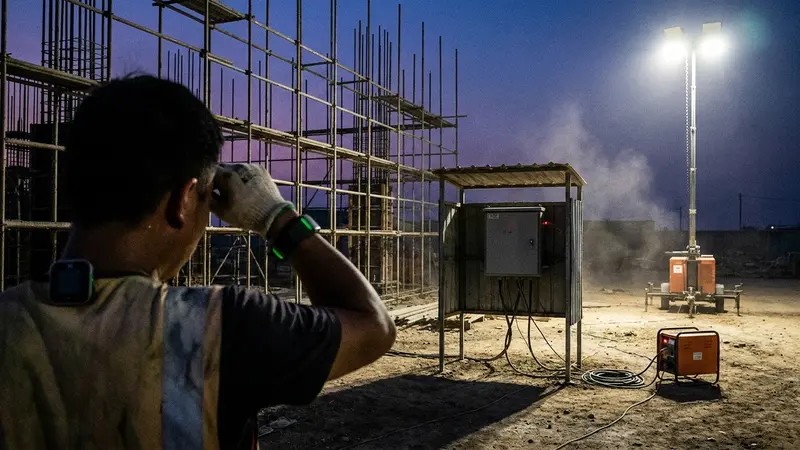
More than 1,000 construction workers died on the job in 2024, and OSHA investigated 826 workplace fatalities that fiscal year, ISHN reports in an article condensed from its sister publication, The Driller. The piece flags drilling and excavation work as among the industry’s highest-risk activities, with heat stress named as a compounding hazard.
Market Impact
The numbers point to a persistent problem rather than an improving one. OSHA has renewed its call for employers to follow established excavation safety practices after a series of fatal trench collapses, noting that 11 workers already died in trench-related incidents during 2025. The agency has stressed that cave-ins are almost always preventable through proper protective systems, inspections, and hazard assessments, a message aimed squarely at crews who treat shoring and sloping as optional on tight schedules.
Longer-term data from the National Institute for Occupational Safety and Health backs up the urgency. NIOSH found that 373 workers were killed in trench collapses between 2003 and 2017, with more than 80% of those deaths occurring in construction. OSHA has also pointed out that a single cubic yard of soil can weigh as much as a midsize car, meaning workers caught in a collapse have little chance of escape without proper protective systems in place.
According to ISHN, the broader lesson from this data is that catastrophic incidents rarely stem from one single failure. Instead, they’re typically the result of several smaller lapses, a missed inspection, a skipped hazard assessment, an ignored heat warning, stacking up at the worst possible moment.
What It Means for Subcontractors
- Drilling and excavation contractors should audit trench shoring, sloping, and inspection protocols now, given OSHA’s active enforcement push following 11 trench-related deaths already recorded in 2025.
- Crews working excavation packages should treat every trench over five feet as requiring a protective system and daily competent-person inspection, per OSHA’s stated standard that cave-ins are preventable through these controls.
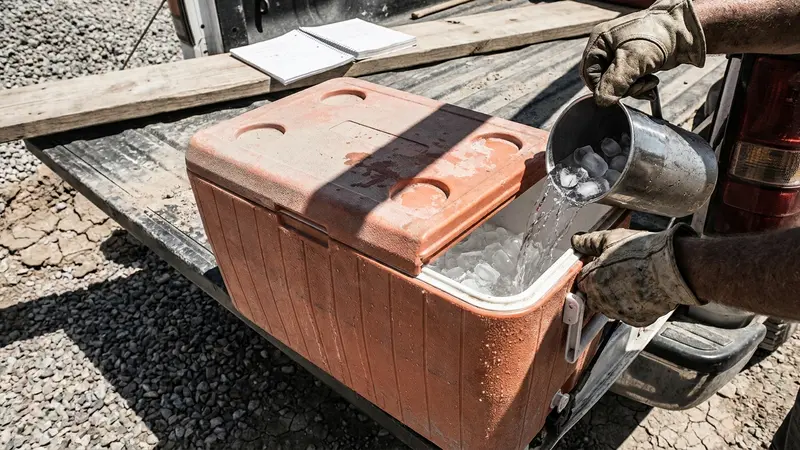
- Safety leads should revisit heat-illness prevention plans, including hydration schedules and shift rotation, as rising temperatures compound existing drilling and excavation hazards flagged in the source reporting.
- Field supervisors should document hazard assessments and near-misses rather than relying on crew experience alone, since the data shows fatalities more often result from multiple small failures than a single catastrophic error.
- Subcontractors bidding trenching or drilling scopes can expect continued OSHA scrutiny given fiscal year 2024’s 826 investigated fatalities, making proactive compliance documentation a practical defense against citations and project delays.