New Section 301 Tariffs on 60 Trading Partners Add Cost and Compliance Risk for Construction
The U.S. Trade Representative imposed new tariffs of 10% to 12.5% on goods from 60 trading partners, including the European Union, Canada, and Mexico, effective July 24, adding fresh cost and compliance uncertainty for construction firms already navigating a shifting tariff landscape, according to USTR and reporting from Reuters and AGC of America News.
What Happened
The tariffs stem from Section 301 investigations into whether trading partners have failed to impose and effectively enforce bans on importing goods made with forced labor. USTR said trading partners that committed to adopting an enforceable forced-labor import ban face a 10% tariff, while those that have not adopted such a ban face 12.5%. The action covers the top 60 U.S. trading partners, representing roughly 99.4% of U.S. imports, and took effect as a separate temporary 10% global tariff expired. Several affected governments, including the EU and Canada, disputed the forced-labor rationale but signalled they intend to keep negotiating rather than retaliate immediately.
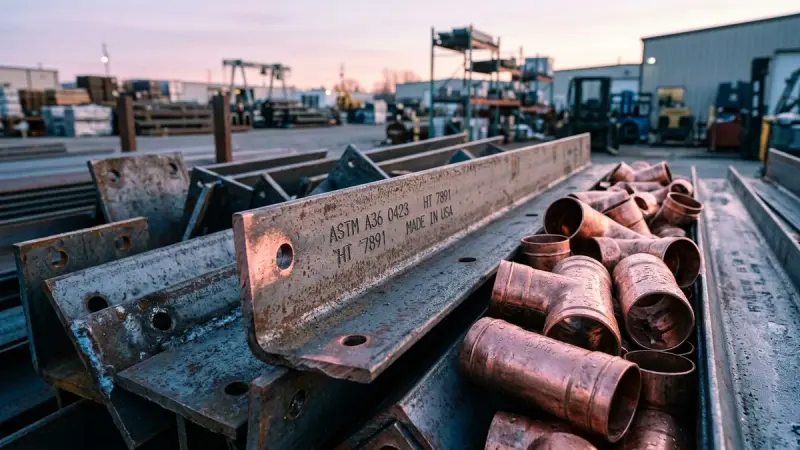
AGC of America flagged the tariffs as a direct cost and compliance risk for contractors, noting the industry is already contending with a volatile run of tariff actions on steel, aluminum, and other imported materials over the past two years. The association’s economists have repeatedly tied recent construction input price increases to tariff-driven supplier price hikes and procurement uncertainty.
What It Means for Subcontractors
- Firms sourcing imported materials, equipment, or components from EU, Canadian, or Mexican suppliers should expect landed cost increases in the 10-12.5% range on affected goods and should confirm which specific product lines carry exemptions.
- Procurement teams should revisit supplier contracts for tariff pass-through clauses and consider accelerating orders on price-sensitive imported materials where lead times allow.
- General contractors should build additional contingency into bids for materials with import exposure, particularly on projects where owners have not agreed to tariff-adjustment clauses.
- Subcontractors relying on components from smaller trading partners not previously subject to steep tariffs should audit their supply chains now, since the 60-country scope is broader than prior rounds targeting a handful of major exporters.