DrillDocs AI Shaker System Targets Wellbore Stability Gaps at Depth
According to Drilling Contractor, DrillDocs has developed an AI-enabled shale shaker monitoring system called CleanSight that uses industrial cameras and edge computing to analyze drill cuttings in real time, targeting a persistent accuracy problem with hydraulic models on deeper wells.
Why This Technology Is Getting Attention
Drilling engineers have long relied on hydraulic and cuttings-transport models to gauge hole-cleaning performance, but those models lose accuracy as well depth increases. That gap creates real exposure: stuck pipe incidents and nonproductive time (NPT) are among the most expensive line items on any drilling program, often running into hundreds of thousands of dollars per event.
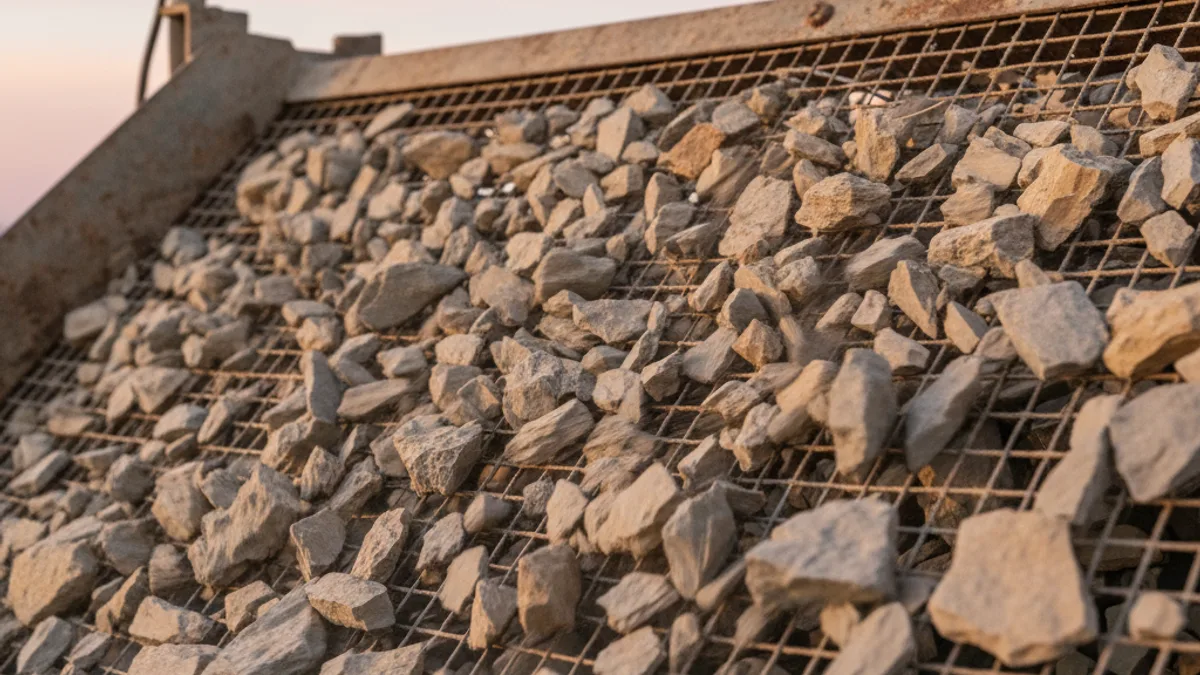
CleanSight embeds industrial cameras with edge computing servers directly at the shale shaker. Computer vision algorithms extract images of cuttings as they exit the shaker, analyze their size and shape, and flag anomalous objects that could indicate a failing component in the bottomhole assembly. Calvin Holt, Co-Founder and CEO of DrillDocs, discussed the system’s impact on real-time decision making at the IADC/SPE International Drilling Conference in Galveston, Texas, on March 17, 2026.
The technology is positioned as a complement to existing drilling data systems, not a replacement, feeding anomaly alerts to engineers who can act before a small problem becomes a fishing job.
What It Means for Subcontractors
- Demand signal for tech-forward crews: Operators adopting AI monitoring tools will increasingly expect field personnel who understand automated shaker systems and can work alongside them without disrupting the workflow.
- Reduced NPT benefits everyone on location: Fewer stuck pipe events and BHA failures mean fewer days of standby time and schedule compression that squeezes subcontractor margins.
- Cuttings analysis is becoming a data source: Field hands who understand what anomalous cutting morphology looks like, and can communicate with remote engineering teams interpreting AI alerts, will carry more value on the wellsite.
- Watch for retrofit opportunities: Systems like CleanSight are designed to integrate with existing shakers, which could open service and installation work for instrumentation and electrical subcontractors familiar with edge computing hardware.