Permian Pipeline Gains May Hit a Processing Wall by 2028
Four major pipelines set to enter service around 2028-2029 could finally solve the Permian Basin’s chronic takeaway problem, but a new bottleneck is forming behind the scenes at the processing plant, Natural Gas Intelligence reports. According to NGI analyst Josiah Clinedinst, the real constraint on Permian gas flows over the next several years may not be pipeline capacity at all. It may be the specialized equipment needed to strip out contaminants like CO2, hydrogen sulfide and nitrogen before that gas can move at all.
Background
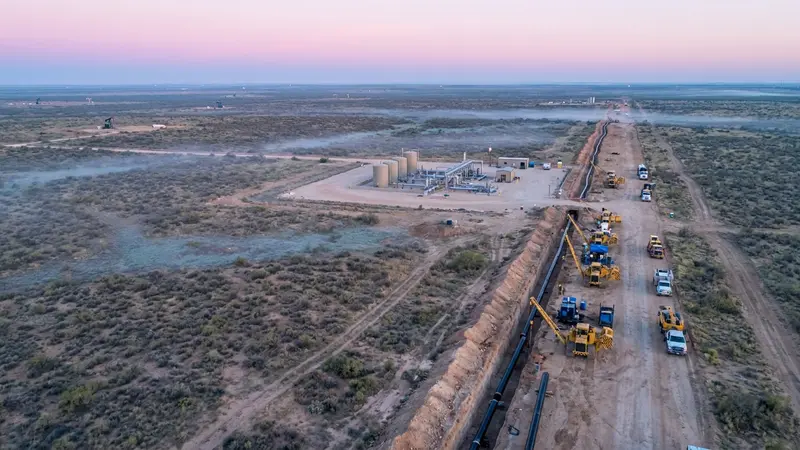
NGI’s analysis points to four long-haul projects, Blackcomb, Hugh Brinson, Eiger Express and Desert Southwest, carrying a combined potential capacity of 10.7 Bcf/d out of the Permian. That volume of new egress has already helped push Waha hub prices back into positive territory after years of periodic negative pricing tied to pipeline constraints.
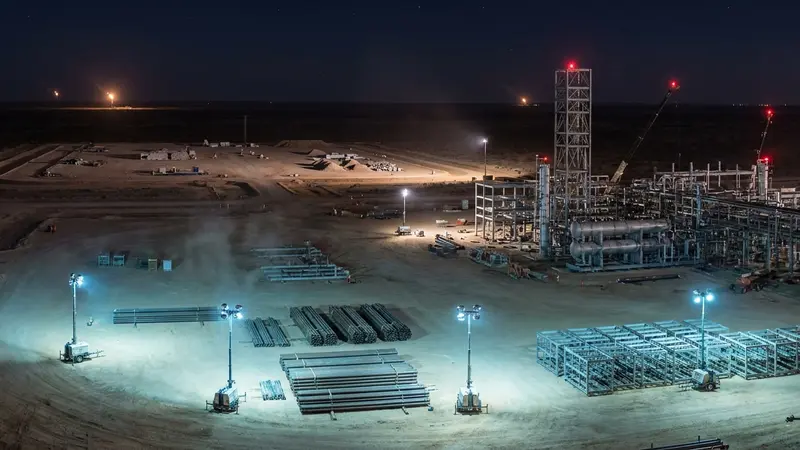
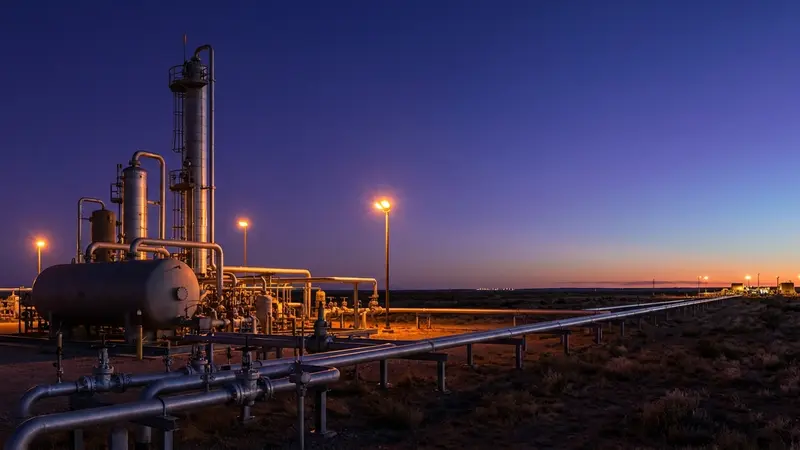
But NGI notes that roughly 4.55 Bcf/d of new Permian processing capacity is slated through 2029, and while natural gas liquids processing has generally kept pace with pipeline growth, gas treating capacity built specifically to remove contaminants has not kept the same pace. Cryogenic processing facilities are built to maximize profitable NGL recovery. Contaminant treating requires separate, highly specialized infrastructure, such as MPLX’s Titan sour gas complex in the Delaware sub-basin. Nitrogen removal, meanwhile, happens either upstream through pipeline blending or downstream at the point of final use, including at Venture Global’s Calcasieu Pass 2 LNG facility, which is installing one of the largest nitrogen-removal units in the country.
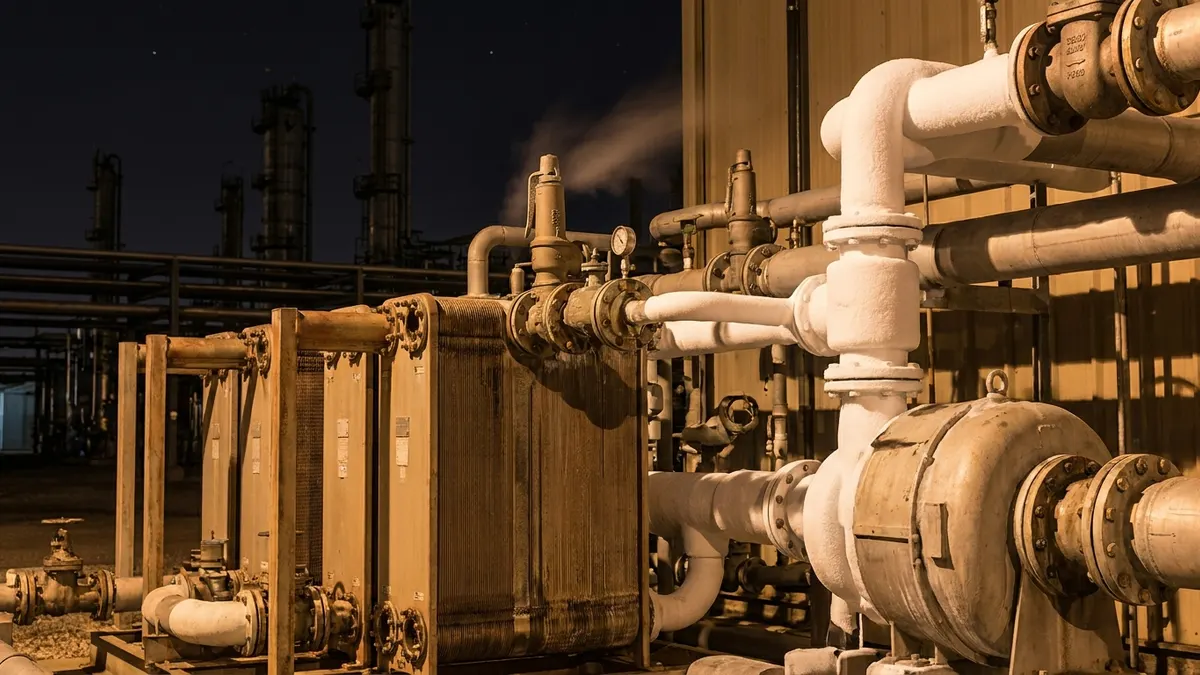
NGI reports that pipeline quality violations have already surfaced downstream at transmission interconnects even after gas passes initial processing. Valley Crossing Pipeline implemented heating value curtailments last year, and Wyoming Interstate Company made CO2 specification cuts this month. On its August earnings call, Targa Resources’ president of gathering and processing flagged extended lead times for critical components, including brazed aluminum heat exchangers and turbo expanders, as a physical bottleneck complicating quality-specific infrastructure investment, according to NGI.
Analysis
The takeaway story out of the Permian has dominated headlines for years, and NGI’s reporting suggests that story is genuinely nearing resolution. That’s good news on its face. But the piece makes clear that solving pipeline capacity does not automatically solve gas quality. Treating infrastructure for CO2, sulfur and nitrogen is a different animal than NGL recovery, built on separate equipment with its own supply chain constraints. When Targa’s own leadership points to multi-year lead times on heat exchangers and turbo expanders as a limiting factor, that’s a signal the industry can’t simply throw capital at the problem and expect quick fixes.
NGI’s read is that this won’t produce a market-wide collapse in Waha pricing the way undersized pipeline capacity did in past cycles. Targa alone is adding three new Permian processing plants by the first half of 2028, with another five under consideration for longer-term growth. That kind of investment should prevent a repeat of sustained negative pricing. Instead, the more probable outcome, per NGI, is a series of localized, temporary curtailments like the ones already seen on Valley Crossing and WIC, showing up first in flow data and only later, if at all, in spot prices.
For a build cycle that midstream players have oriented almost entirely around pipeline projects, this shifts the spotlight toward treating and processing infrastructure as the next constraint to watch. Sour gas complexes, nitrogen rejection units and specialty compression are less glamorous than a 3 Bcf/d pipeline announcement, but they’re where the physical bottleneck is forming.
What It Means for Subcontractors
- Equipment-heavy trades tied to gas treating, including instrumentation, E&I and specialty mechanical crews, should track Targa’s three new Permian processing plants slated for 1H2028 and the additional five under consideration, since these represent near-term construction packages distinct from pipeline work.
- Contractors bidding into sour gas and nitrogen-removal projects should expect long procurement lead times on brazed aluminum heat exchangers and turbo expanders, per Targa’s August earnings call comments, which will affect scheduling and phased mobilization on treating plant builds.
- Pipeline and gathering system operators facing quality-driven curtailments, as seen on Valley Crossing Pipeline and Wyoming Interstate Company, may need contractors on standby for retrofit work to meet tightening CO2 and heating value specifications at interconnects.
- Firms with sour gas treating experience, similar to MPLX’s Titan complex in the Delaware sub-basin, are positioned for specialized scope as operators separate contaminant treating from standard NGL processing infrastructure.
- Subcontractors should monitor flow data at transmission interconnects rather than Waha spot pricing alone, since NGI’s analysis indicates localized curtailments will surface in operational data well before they show up in the market.