Two More Offshore Wind Leases Canceled as $885M Redirects to Oil, Gas, and LNG
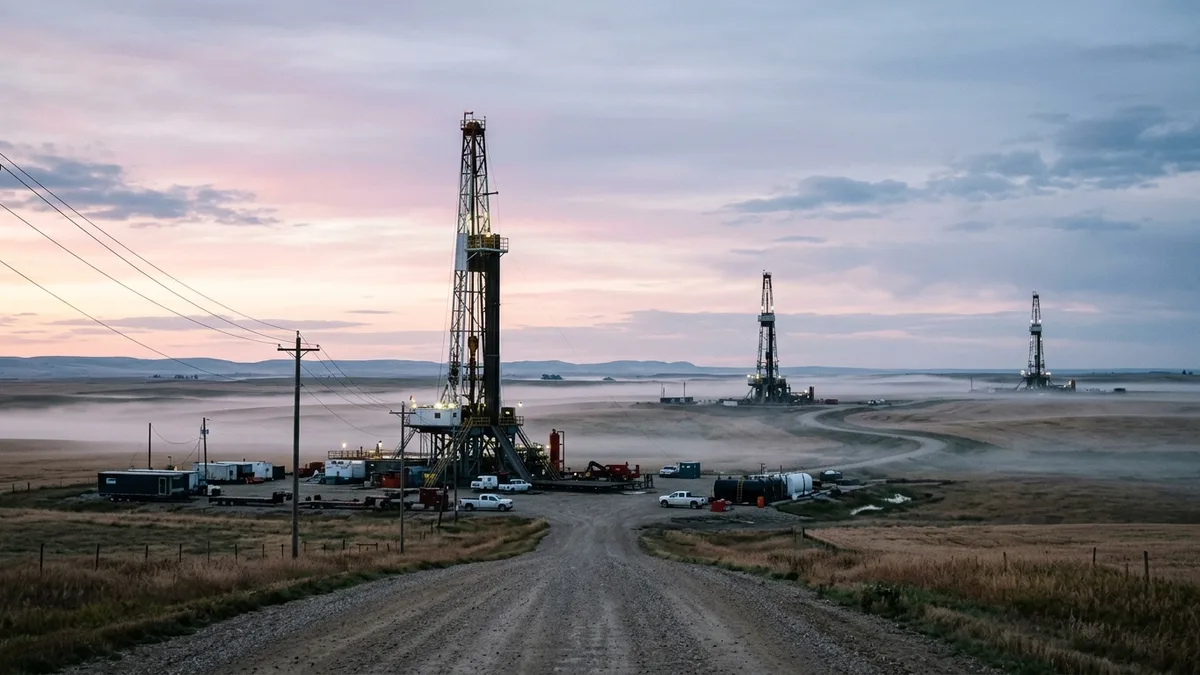
According to World Oil, the U.S. Department of the Interior has reached voluntary termination agreements with two offshore wind developers, Bluepoint Wind and Golden State Wind, redirecting a combined $885 million in investment toward domestic oil, gas, and LNG projects. The deals follow a similar earlier arrangement with TotalEnergies and signal that Washington’s energy policy pivot away from offshore wind is not a one-off event. For subcontractors and field service companies working the Gulf Coast, Permian, and LNG corridors, capital is moving back toward the work you know.
Background
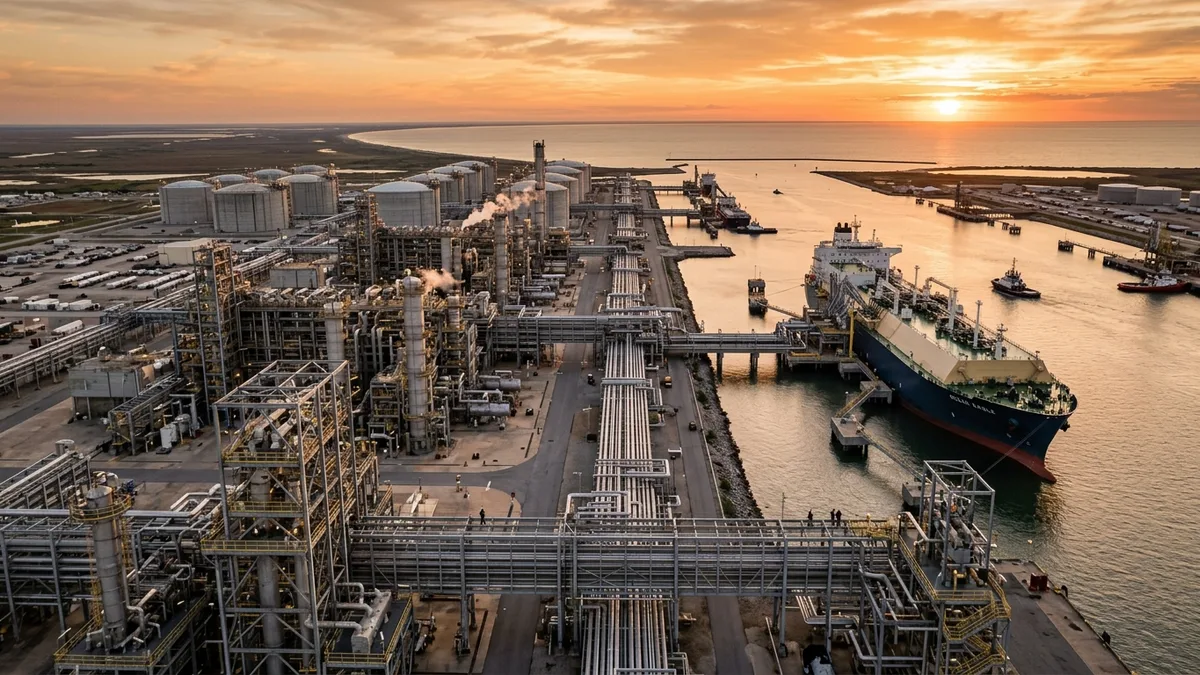
According to World Oil, under the Bluepoint Wind agreement, affiliated investors will direct up to $765 million into a domestic LNG facility, matching the original lease bid amount. Lease payments will be reimbursed once equivalent investments are confirmed. Golden State Wind, for its part, will commit approximately $120 million to U.S. oil and gas assets, energy infrastructure, and LNG development, with the Gulf Coast identified as the primary target geography.
Interior Secretary Doug Burgum framed both deals as deliberate policy, stating that “companies are once again investing in affordable, reliable, secure energy infrastructure.” Interior officials added that the agreements are intended to support reliable, baseload energy and reduce reliance on projects considered uneconomic without subsidies. The moves align with a broader federal push to prioritize conventional energy development and domestic resource utilization, per World Oil.
The TotalEnergies precedent cited in the article suggests this is becoming a repeatable template: offshore wind developers exit, lease payments get returned, and affiliated capital flows into LNG terminals, pipelines, and upstream assets. Three agreements in relatively short succession points to a structured policy approach, not isolated deal-making.
Analysis
The combined $885 million being redirected is meaningful, but the more important number is the trajectory. Each of these agreements removes capital from offshore wind supply chains and routes it toward sectors that generate sustained field service demand: upstream drilling, midstream infrastructure, and LNG construction and maintenance. These are labor-intensive, equipment-heavy sectors that rely heavily on subcontractors at every stage.
The Gulf Coast stands out as the clearest near-term beneficiary. World Oil noted that Golden State Wind’s $120 million commitment is targeted “primarily along the Gulf Coast,” and LNG facilities, by their nature, cluster in coastal Texas and Louisiana. If the Bluepoint Wind $765 million LNG commitment lands in the same geography, the concentration of new capital in that corridor becomes significant. Subcontractors already positioned in Texas and Louisiana, particularly those serving LNG construction, pipeline integrity, and upstream completions, are best placed to capture work generated by these redirected dollars.
There’s a broader supply-and-demand logic at work here, too. World Oil pointed to heightened global energy demand and ongoing supply disruptions as context for these deals. When federal policy aligns with global market pressure in the same direction, investment cycles tend to accelerate rather than moderate. That means the current window for conventional energy project activity may be wider than a typical cycle would suggest.
The offshore wind cancellations also free up regulatory and permitting bandwidth at Interior. Fewer active offshore wind lease reviews means agency resources can flow toward conventional energy permitting, which has been a persistent bottleneck for operators trying to accelerate project timelines. Faster permitting benefits everyone downstream, including the subcontractors waiting on notice to proceed.
One caution worth noting: redirected capital commitments are not the same as active contracts. The $765 million Bluepoint figure is described as a commitment “to invest,” with reimbursement tied to equivalent investment being made. There will be a lag between these announcements and actual boots-on-the-ground activity. Subcontractors should treat this as a forward indicator, not an immediate backlog builder.
What It Means for Subcontractors
-
Gulf Coast positioning matters now. Both agreements direct capital toward Gulf Coast oil, gas, and LNG infrastructure. If your company isn’t already cultivating relationships with LNG terminal developers and Gulf Coast midstream operators, this is the time to start.
-
LNG construction is a growing opportunity. The Bluepoint Wind deal alone represents up to $765 million heading toward a domestic LNG facility. LNG projects require civil, mechanical, electrical, instrumentation, and inspection subcontractors across multi-year build cycles. Begin tracking project announcements in coastal Texas and Louisiana.
-
Watch for the TotalEnergies pattern to repeat. Three lease-to-investment conversions in a short window suggest Interior has a working template. More offshore wind exits could follow, each generating additional capital commitments to conventional energy. Monitor Interior announcements for additional termination agreements.
-
Don’t book the revenue yet. These are investment commitments tied to reimbursement conditions, not funded contracts. Build the relationships and track the project development pipeline, but maintain realistic near-term revenue forecasts until specific projects reach FID or procurement stages.
-
Permitting timelines may improve. A reduced offshore wind review workload at Interior could accelerate conventional energy permitting, shortening the gap between operator plans and field mobilization. That’s worth factoring into your 12-to-18-month workload planning.