Texas Dominates US Pipeline Capacity Additions Planned for 2026 and 2027, EIA Reports
According to the U.S. Energy Information Administration (EIA), most planned natural gas pipeline capacity additions in 2026 and 2027 originate in Texas, part of a broader wave of infrastructure build-out that the agency projects will add 44.9 billion cubic feet per day (Bcf/d) of new capacity across the United States over those two years. For pipeline construction subcontractors, that number is a direct demand signal worth paying attention to now.
Background
The EIA, which tracks and analyzes US energy infrastructure through its independent statistics and analysis mandate, identified Texas as the leading origin point for planned pipeline capacity additions in the 2026 to 2027 window. The agency’s data covers planned projects, meaning these are additions that have moved far enough through permitting and development to appear in forward-looking infrastructure surveys.
The 44.9 Bcf/d figure represents new capacity, not total system throughput, and Texas’s outsized share reflects the state’s continued role as the country’s largest natural gas producing region. The Permian Basin in West Texas and prolific plays in South Texas continue to drive takeaway infrastructure demand as producers push volumes toward Gulf Coast LNG export terminals, domestic power markets, and interstate pipelines moving gas toward the Northeast and Midwest.
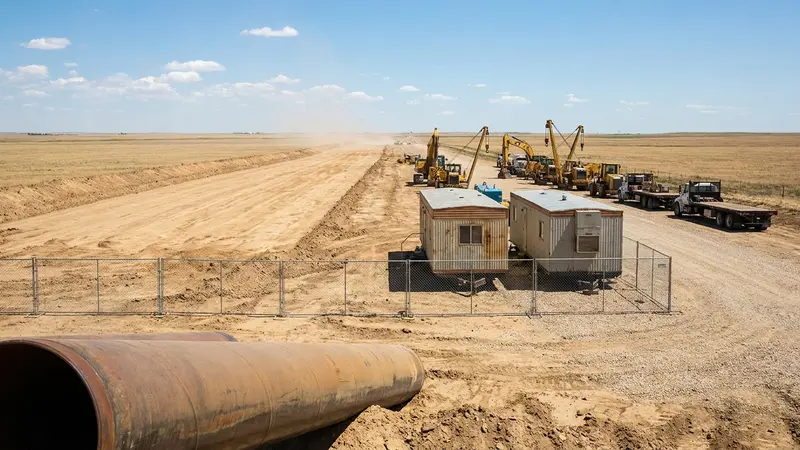
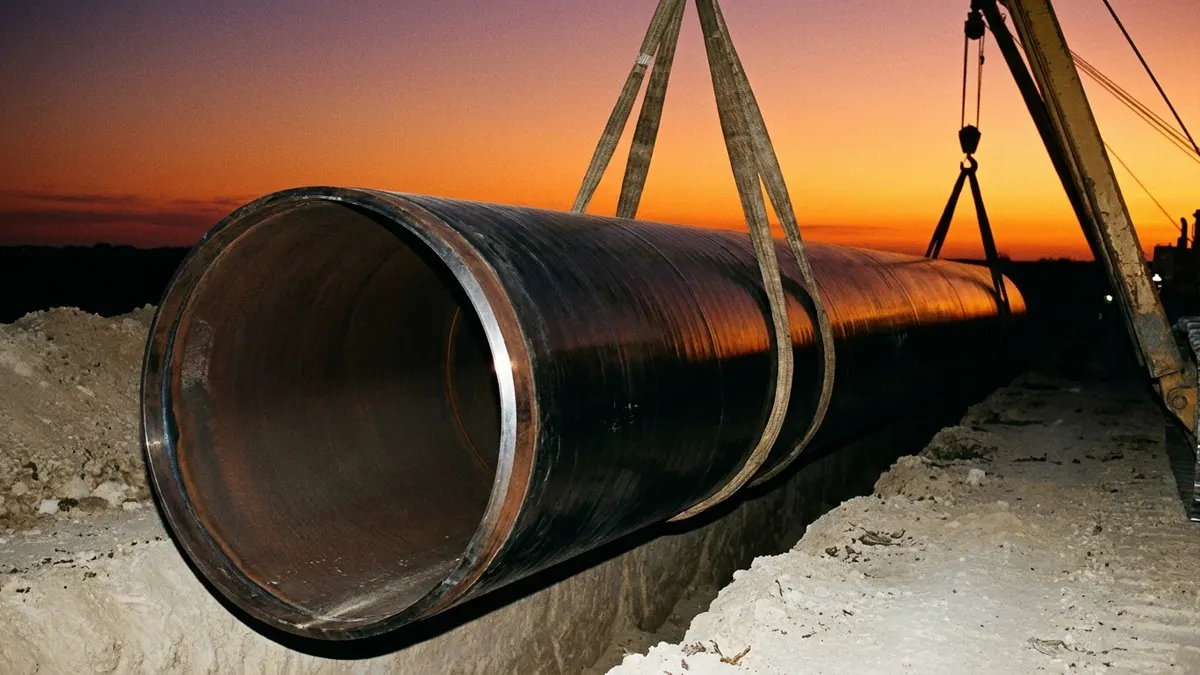
The EIA’s reporting here is specifically about capacity additions, meaning new pipeline segments and compression infrastructure designed to move more gas from production areas to demand centers. That distinction matters for subcontractors: capacity additions typically mean greenfield construction and new compression station builds, not just maintenance or integrity work on existing lines.
Analysis
The concentration of planned capacity in Texas during 2026 and 2027 reflects a few converging forces that subcontractors should understand.
First, LNG export growth is pulling hard on Permian and South Texas production. Gulf Coast LNG terminals require substantial upstream pipeline infrastructure to guarantee feed gas supply, and developers of those terminals have been signing long-term contracts that justify new pipeline construction. That commercial certainty is what moves projects from planning to shovels in the ground.
Second, the power sector is driving incremental demand. Natural gas-fired generation continues to underpin grid reliability across Texas and neighboring states, and expanding generation capacity means expanding gas delivery infrastructure to fuel it.
Third, timing matters. Projects appearing in EIA’s 2026 and 2027 planned capacity data are, in most cases, already in late-stage development. Contractors and subcontractors who haven’t already engaged with prime contractors on these projects may find the window for positioning narrowing. Pipeline construction work is typically awarded 12 to 24 months ahead of in-service dates, which means procurement and subcontractor selection for 2026 projects could already be underway.
The geographic concentration in Texas also creates a workforce and equipment mobilization challenge. A large volume of capacity coming online in the same region and the same two-year window means crews, horizontal directional drilling equipment, pipe bending machinery, and specialty welding teams will be competing for availability simultaneously. Subcontractors who move early to secure multi-project relationships with pipeline prime contractors will have a structural advantage over those trying to enter the market as projects hit peak construction.
There’s also a regulatory dimension worth noting. Pipeline projects crossing federal lands or requiring FERC certificates face longer lead times and more scrutiny, but intrastate Texas pipeline projects fall under the Texas Railroad Commission’s jurisdiction, which historically moves faster. A project that stays within Texas reduces regulatory risk and schedule uncertainty, which is part of why the state attracts so much planned capacity activity.
What It Means for Subcontractors
-
Pipeline subs should treat the EIA’s 44.9 Bcf/d projection as a workload planning anchor. If your business operates in pipeline construction, trenching, boring, coating, or compression installation, the 2026 to 2027 period represents a significant demand cycle. Build your capacity plan around it now.
-
Texas is the priority geography. The EIA specifically identifies Texas as the dominant origin for planned additions. Subcontractors not already operating in the Permian Basin or South Texas corridors should evaluate whether a regional expansion or partnership makes sense before the construction wave peaks.
-
Get ahead of the labor crunch. A concentrated build cycle in one state means qualified welders, heavy equipment operators, and directional drilling crews will be stretched thin. Locking in experienced field personnel and equipment rental agreements before demand spikes is a competitive move, not just an operational one.
-
Engage prime contractors early. For 2026 in-service projects, subcontractor selection is likely happening now or in the near term. If you’re not already in conversation with the major pipeline prime contractors active in Texas, this is the moment to make those calls.
-
Compression station work is part of this build-out. Capacity additions aren’t just pipe in the ground. New compression infrastructure, metering stations, and interconnects are part of every major capacity expansion and represent specialized subcontract opportunities beyond mainline construction.
-
Understand the intrastate advantage. Texas Railroad Commission-regulated projects can move faster through permitting than FERC-jurisdictional interstate lines. Track which projects are intrastate, as those may offer more schedule certainty for subcontract planning.
The EIA’s forward-looking data doesn’t guarantee every planned project reaches construction, but 44.9 Bcf/d of planned additions with Texas at the center is the clearest demand signal the pipeline construction market has had in years. Subcontractors who position now will be better placed than those who wait for the work to come to them.