Solar Still Leads US Power Capacity Additions Despite Federal Policy Headwinds
According to OilPrice.com, solar power continues to expand its share of new US electricity capacity additions even amid a federal policy environment that has generally favored fossil fuel development. The analysis points to underlying market and grid forces that are sustaining solar growth independent of political headwinds.
Background
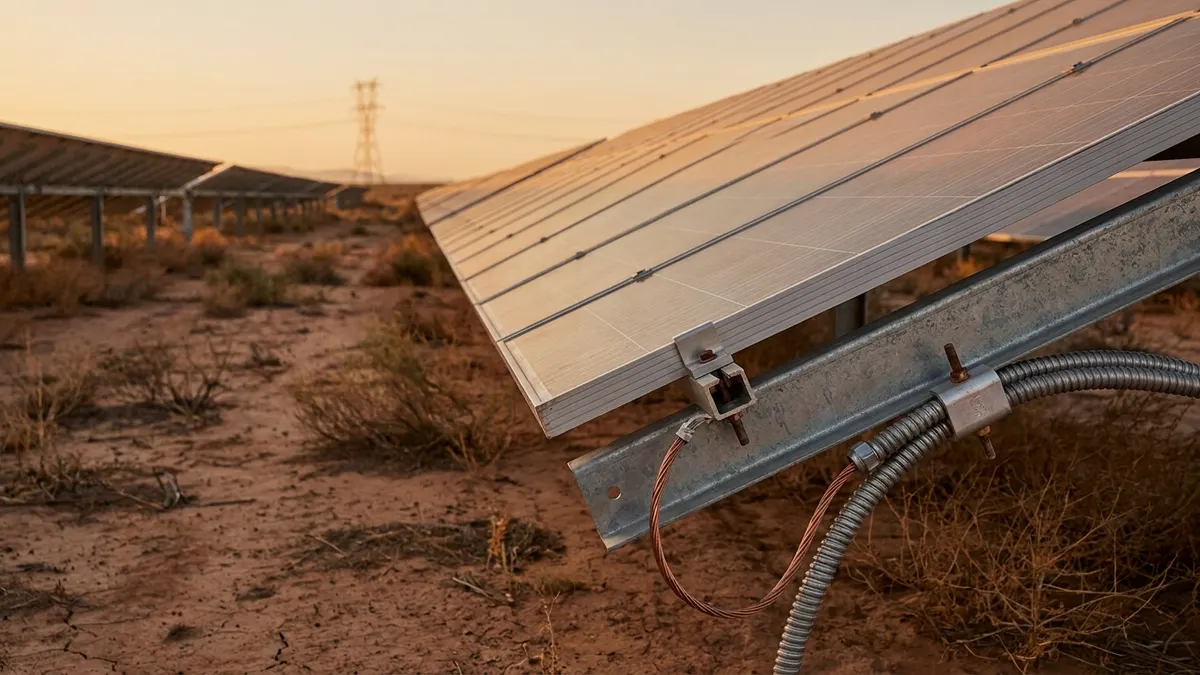
The broader context, as framed by OilPrice.com, is that solar’s momentum in the United States has not meaningfully stalled despite a White House posture focused on oil, gas, and coal production. Utility-scale solar projects locked in under previous incentive structures, combined with falling equipment costs and strong corporate energy demand, continue to drive construction activity across the country. States with large land areas and high solar irradiance, including Texas and states across the Southwest, remain central to that build-out.
The dynamic reflects a pattern that field operations professionals in the renewables space have observed firsthand: permitting pipelines, interconnection queues, and long-term power purchase agreements signed years ago don’t stop moving because the political conversation shifts. Shovels go in the ground when financing closes and permits clear, not when administrations change.
Analysis
The core story here is the gap between policy rhetoric and market reality. Federal energy policy can shape incentives at the margins, but utility-scale solar has reached a scale where its momentum is largely self-sustaining in the near term. Projects approved, financed, and contracted under prior incentive frameworks are still being built. That construction activity doesn’t disappear from the schedule because of a change in Washington’s tone.
For the renewables construction sector, this matters because it means the workload is more durable than a headline reading “administration opposes green energy” might suggest. Electrical subcontractors, civil contractors doing site prep and grading, racking and mounting crews, and firms handling transmission interconnection work are all drawing from a project pipeline that was years in the making.
There is a longer-term question worth watching. If federal incentives are curtailed or clawed back, the pipeline of newly approved projects will thin over time. The projects under construction now represent commitments made before that policy shift. What matters for subcontractors planning two to four years out is whether the next wave of utility-scale solar projects gets financed and permitted under whatever incentive structure survives. That is the real variable, and it’s one that project developers and their financing partners are actively pricing in.
The other factor sustaining solar construction is demand-side pressure. Large industrial and commercial energy users, data centers, manufacturing facilities returning to the US, and utilities facing load growth from electrification are all signing long-term power contracts. That demand creates a pull that doesn’t care much about the political framing of energy policy. Developers respond to signed offtake agreements, and those agreements are still being signed.
It’s also worth noting that solar construction work is geographically concentrated in states that are not ideologically opposed to the projects. Texas, which hosts a substantial share of US solar development, operates its own grid and has its own regulatory priorities. The Permian Basin and Gulf Coast regions that define Texas energy culture are increasingly home to large-scale solar installations serving industrial and oilfield operations directly, including projects powering upstream facilities and compression stations.
What It Means for Subcontractors
-
Near-term workload looks stable. The existing pipeline of utility-scale solar projects represents contracted work that will move forward regardless of federal policy changes. Electrical, civil, and mechanical subcontractors active in this space should not expect an immediate slowdown based on political signals alone.
-
Watch the financing environment more than the headlines. The real risk to future contract flow is not rhetoric but whether new projects get financed. Interest rates and the availability of tax credit monetization tools are more consequential signals than any administration statement.
-
Texas and the Southwest remain the core market. Subcontractors positioned in Texas, New Mexico, Arizona, and Nevada are closest to the heaviest concentration of active and planned solar construction. Building relationships with Tier 1 developers operating in those corridors is the most direct path to sustained work.
-
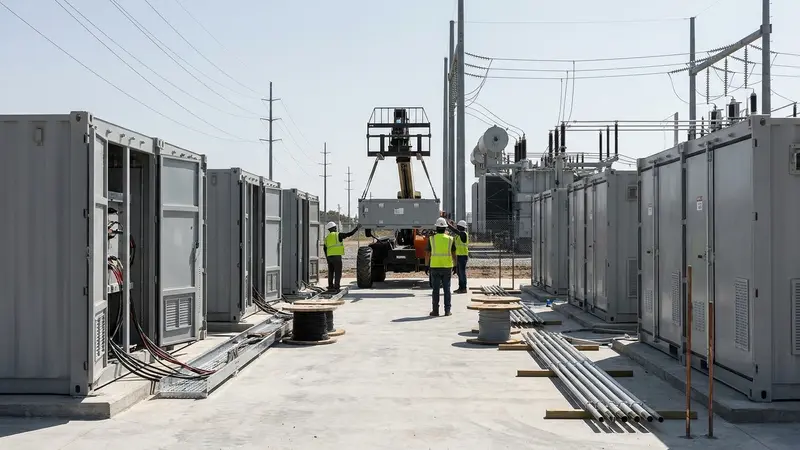
Diversify across project types. Solar work increasingly overlaps with battery storage, grid interconnection upgrades, and co-located industrial power projects. Subcontractors who can credibly bid across those adjacent scopes are better positioned to capture work as project structures evolve.
-
Plan for policy uncertainty in your backlog. Projects two or more years out carry more regulatory and incentive risk than projects already under construction. Build that uncertainty into how aggressively you staff and invest in equipment ahead of a project reaching notice to proceed.