Pembina Greenlights $411M Heartland Extraction Plant With Major Ethane Deal for Dow
According to Rigzone, Pembina Pipeline Corp has approved its Heartland Extraction Plant project, a new natural gas liquids straddle plant in Alberta’s Industrial Heartland that carries an estimated price tag of CAD 570 million (approximately $411 million USD) and is expected to enter service in 2029.
Background
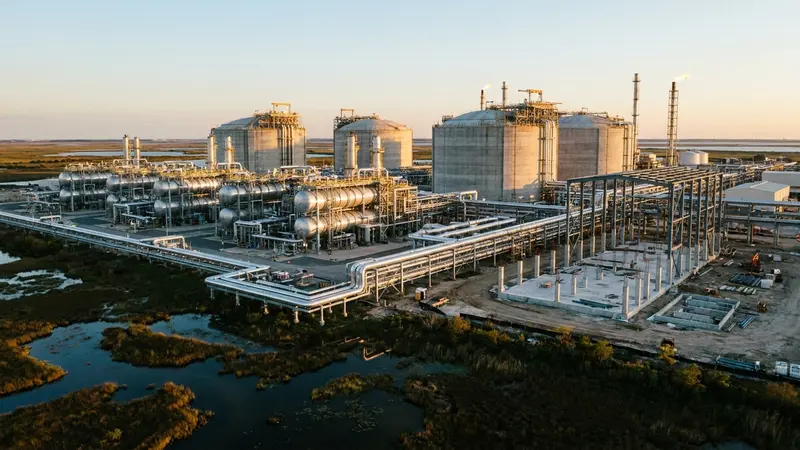
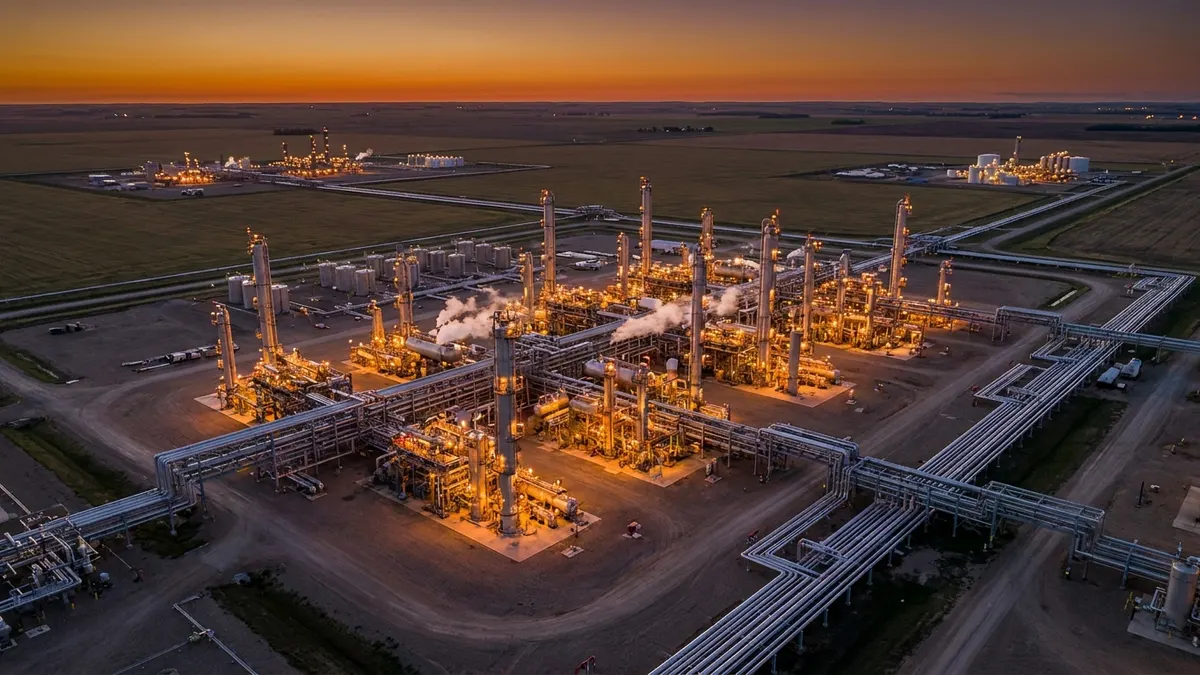
The Heartland Extraction Plant (HEP) represents an upgrade of what was previously called the Yellowhead Extraction Plant project. Pembina will develop the facility using its existing rights on the Yellowhead Pipeline, which connects to the NGTL system, Alberta’s primary natural gas transmission network.
The sanctioned version goes beyond the original scope. As Rigzone reports, Pembina described the expanded design as including “incremental capacity to accommodate future additional opportunities on a capital-efficient basis,” with the goal of strengthening the company’s footprint in the Alberta Industrial Heartland region.
Alongside the project sanction, Pembina signed a new agreement with Dow to supply ethane from HEP starting in 2029, with volumes rising to 22,500 barrels per day (bpd) by 2030. The two companies also amended an existing supply agreement, under which Pembina will deliver 35,000 bpd of ethane to Dow beginning with the startup of Dow’s Path2Zero project, also expected in 2029. Combined, Pembina will supply Dow with a total of 57,500 bpd of ethane, which Rigzone notes is a 15% increase over the original agreement of 50,000 bpd.
Following extraction at HEP, the ethane-plus mix will be processed at Dow’s Fort Saskatchewan facility and Pembina’s Redwater Complex. Pembina will also retain propane-plus production from the project, with up to 9,500 bpd of propane-plus NGL available for fractionation and marketing. Pembina expects the project to generate an EBITDA build multiple of five to seven times, using long-term average historical pricing.
Analysis
The Heartland Extraction Plant is a textbook example of how midstream companies are layering long-term offtake agreements on top of capital projects to de-risk construction spending before a shovel hits the ground. By locking in Dow as the anchor customer for ethane volumes at both the new HEP facility and its existing supply portfolio, Pembina has underwritten a significant portion of future revenue before the plant is built.
The connection to Dow’s Path2Zero project is worth noting. Path2Zero is Dow’s net-zero cracker complex planned for Fort Saskatchewan, one of the larger petrochemical investments in Alberta in recent years. Pembina is effectively threading its NGL extraction strategy through that project’s timeline, creating interdependency between two major pieces of infrastructure coming online in the same year.
The straddle plant model itself is particularly efficient from a development standpoint. Rather than building greenfield gas processing capacity, straddle plants extract NGLs from existing gas streams already moving through pipelines like the NGTL system. That allows Pembina to capture value from throughput it doesn’t have to originate, and the “existing rights on the Yellowhead Pipeline” language suggests this project had a long runway in planning.
For Alberta’s Industrial Heartland, this adds another piece of the integrated value chain that connects upstream gas production to downstream petrochemical feedstocks. More midstream infrastructure in the Heartland typically signals continued investment pressure in the region.
What It Means for Subcontractors
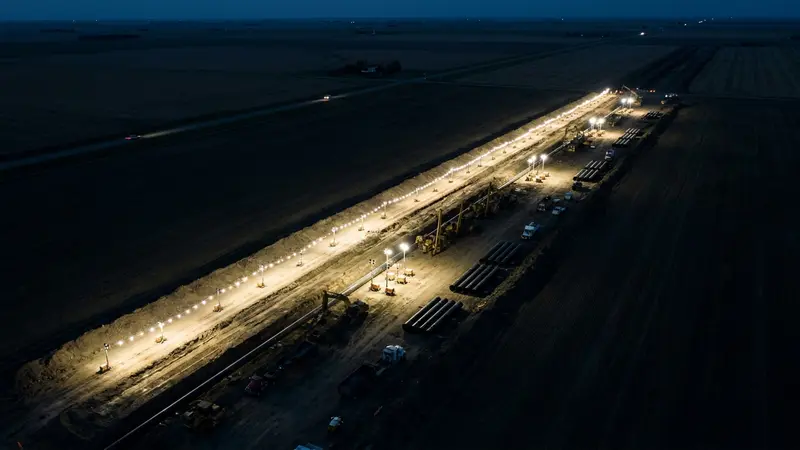
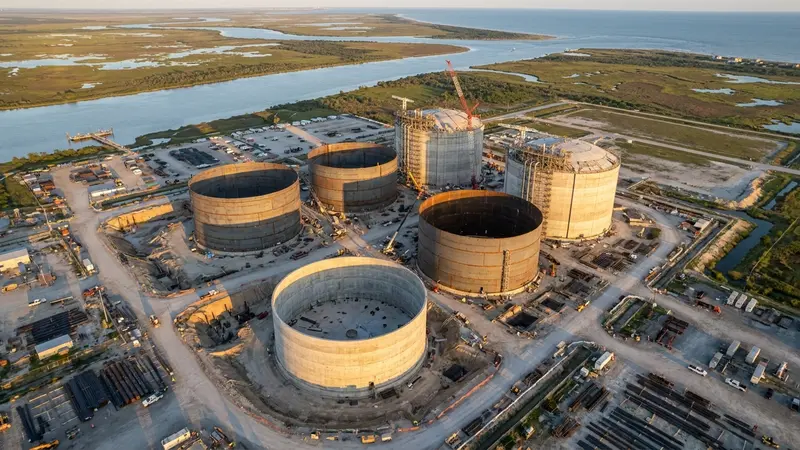
- Construction window is set. With a 2029 in-service target and a CAD 570 million budget, the Heartland Extraction Plant will need EPC contractors, civil and structural trades, piping and mechanical crews, and instrumentation specialists. Pre-FEED and FEED work likely begins well ahead of that, meaning contract opportunities could surface in 2026 and 2027.
- Fort Saskatchewan and Redwater are the epicenter. Subcontractors with an established presence near Fort Saskatchewan or Pembina’s Redwater Complex are best positioned. The post-extraction processing flow runs directly through those two facilities, suggesting sustained labor demand at both sites.
- Propane-plus marketing adds a second revenue stream. Pembina retaining up to 9,500 bpd of propane-plus NGL for fractionation and marketing means additional throughput at its fractionation assets, which can drive incremental maintenance, turnaround, and expansion work for service companies already on Pembina’s vendor roster.
- Watch the Path2Zero timeline. Both Pembina’s HEP and Dow’s Fort Saskatchewan cracker are targeting 2029. If that schedule holds, the Alberta Industrial Heartland could see concurrent construction activity across multiple major projects, tightening the regional labor market significantly.
- Long-term agreements reduce project risk. The fixed-fee revenue component of HEP’s expected EBITDA means this project has a more stable financial foundation than purely commodity-exposed builds. For subcontractors, that typically translates to a lower probability of mid-project scope cuts or deferrals.