Data Center Builds Put Energized Gear and Permit Risk on Subs
Data center work stacks multi-contractor schedules, heavy lifts, temporary power and energized equipment on the same site, and the contracts that govern it should say who owns each hazard. That is the practical takeaway from an ISHN analysis by Mark Hansen, MS, CSP, who argues that safety and environmental risk must be managed from siting through long-term operation.
Background
Hansen cites a Pew Research Center analysis showing more than 3,000 operating data centers in the United States and more than 1,500 more in development. He writes that many new facilities need electrical loads comparable to those of small cities.
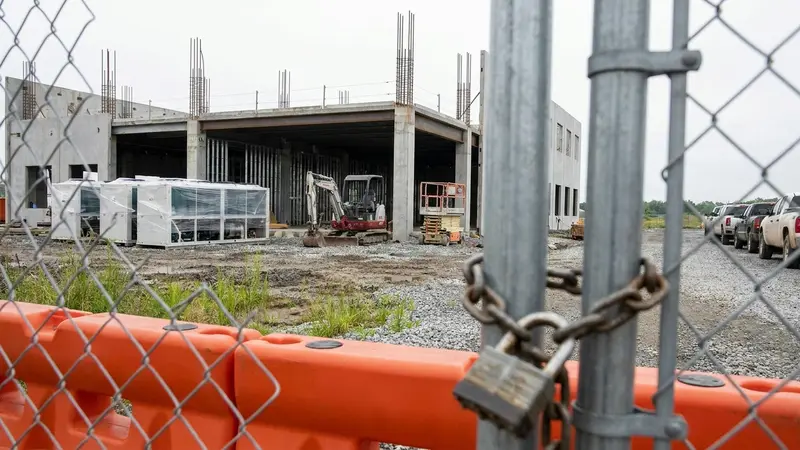
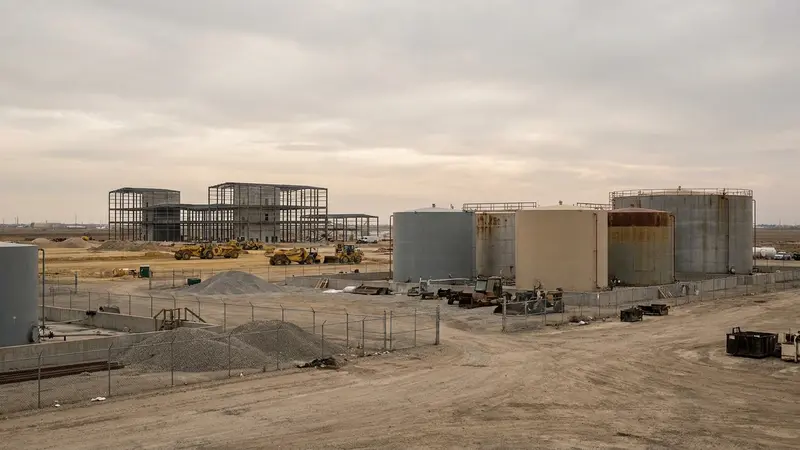
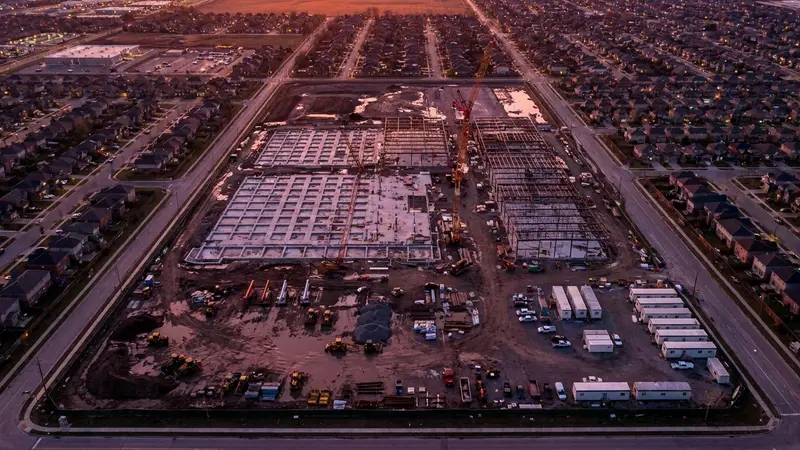
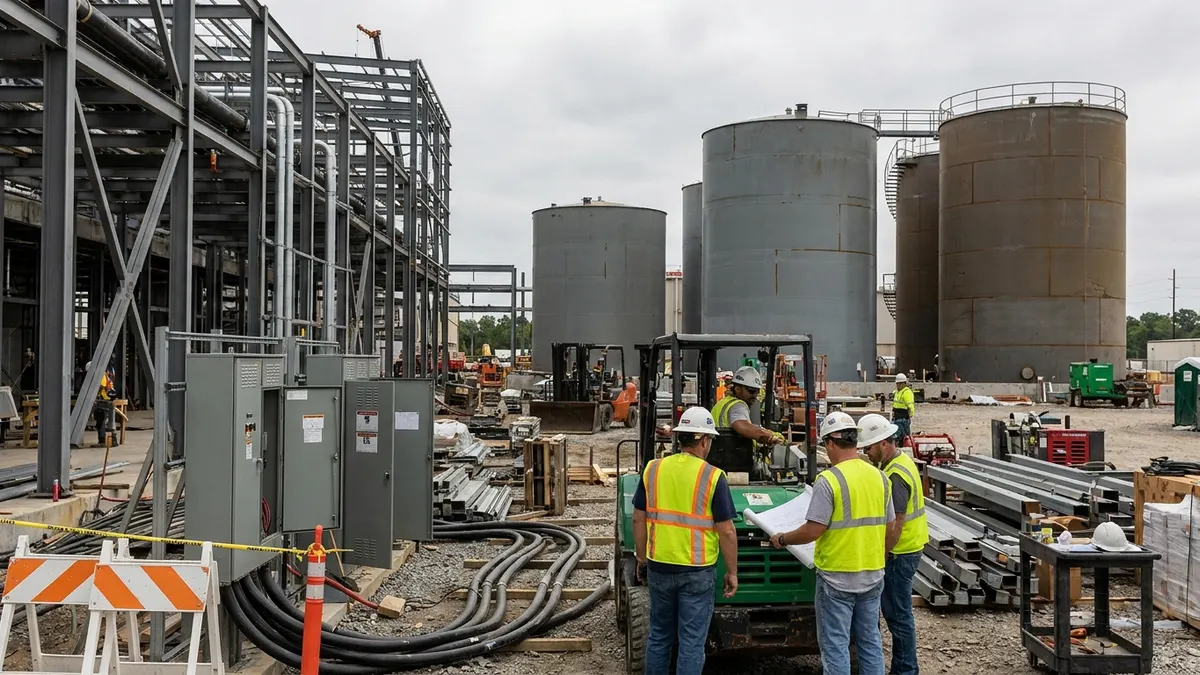
On the construction side, the article describes simultaneous activity by numerous contractors on tight schedules with aggressive completion dates. It lists heavy lifts, crane operations, temporary electrical systems, energized equipment and complex logistics as a significant occupational-safety burden. Hansen says multi-employer sites need strong contractor management, clearly defined responsibilities and coordination of simultaneous operations (SIMOPS) to reduce OSHA exposure.
Once a facility is running, he points to arc flash, energized maintenance, diesel emergency generators and growing use of lithium-ion battery energy storage. He names NFPA 70E (electrical safety) and NFPA 855 (stationary energy storage) as the standards that help manage those risks. Thermal runaway in a UPS battery room, he writes, can escalate from one failed cell to an evacuation and a specialized fire department response.
On the environmental side, the article cites air permitting for diesel generators, cooling water demand and wildlife habitat impacts. It also cites Gallup data that about 70% of Americans oppose data centers in their area, and says some operators are pursuing on-site natural gas generation and other new power sources that add permitting complexity. Regulators and standards bodies named include OSHA, EPA, NFPA, DOT (for battery transportation and disposal), plus building codes, insurance requirements and local zoning.
Analysis
The article is written for owners and safety managers, not subcontractors. It does not discuss contract terms. But its risk logic maps directly onto the clauses that decide who pays when something goes wrong. The following is our inference, not Hansen’s.
Multi-employer coordination is a scope question. Hansen stresses “clearly defined responsibilities.” On a site with many contractors, that should be written down. A sub that does not know who controls crane picks, temporary power distribution or lockout/tagout boundaries is carrying risk it has not priced. The SIMOPS point matters most for trades working beside or beneath lifts and energized systems.
Energized-work exposure should be priced, not assumed. The source ranks electrical hazards, battery systems and fire events as typically the highest risks, based on severity and likelihood. It places construction hazards, cooling systems and environmental impacts in a moderate tier. For electrical and controls subs, the higher-ranked hazards argue for pricing arc flash training and procedures into the bid, and for stating which tasks are performed energized versus de-energized.
Battery work carries its own compliance layer. Hansen says lithium-ion and lithium iron phosphate systems require specialized design, fire protection, emergency planning, inspection, packaging and disposal procedures. A sub installing, commissioning or removing these systems should expect NFPA 855 and DOT shipping rules to shape the work. It is reasonable to ask the owner which party owns thermal runaway response planning during construction and commissioning.
Permit risk sits upstream, but delay lands downstream. The source flags diesel generator air permits, cooling water and habitat impacts, and notes the regulatory picture is still evolving. It also describes strong public opposition and says more restrictive expectations are likely. For a sub, a permit stall means idle crews and demobilization. Whether that cost is yours or the owner’s depends on the contract. The article does not address that, so the clause has to.
Gaps in the source. The article does not break out confined-space entry or stormwater controls, two items often tied to site work. Subs should confirm those requirements with the GC or owner rather than assume the article covers them.
Operations risk follows the builders. Hansen says maintenance activities and human error remain among the leading causes of outages. That makes lockout/tagout and maintenance procedures a selling point for service subs bidding post-commissioning work. It also means owners may scrutinize sub safety programs closely.
What It Means for Subcontractors
- Get the SIMOPS and responsibility matrix before mobilizing. Ask the GC for written assignments covering crane and rigging control, temporary power, and lockout/tagout. Price standby time if another trade’s lift or energized work halts yours.
- Electrical and E&I bidders: Break out energized versus de-energized work in your scope and state NFPA 70E-based safety plan requirements in the bid. Exclude energized tasks the owner has not authorized in writing.
- Battery and UPS installers: Treat NFPA 855 compliance, thermal runaway emergency planning, and DOT-regulated transport and disposal as separate scope lines. Confirm who owns the response plan during commissioning.
- Generator and mechanical trades: Diesel generator air permits and cooling-system water requirements are named in the source as permitting issues. Make notice-to-proceed contingent on permits in hand, or add a delay clause that compensates standby and remobilization.
- Fire protection and life safety trades: The source says effective response planning needs facility mapping, specialized responder training and suppression equipment suited to battery fires. Ask whether the spec calls for that equipment, and who pays for responder coordination.
- Site and civil crews: The article mentions habitat impacts and zoning but not stormwater or confined-space rules. Ask the owner which environmental controls are in your scope, and document the answer in writing.
- Service and maintenance firms: Hansen’s point that maintenance and human error drive outages suggests owners will weigh lockout/tagout discipline in awards. Have your procedures and training records ready for prequalification.
The source gives no bid dates, project names or contract values. Subs should bring these questions to each individual data center pursuit.