Washington State Requires Written Work Plans for Trenching and Excavation Starting June 1
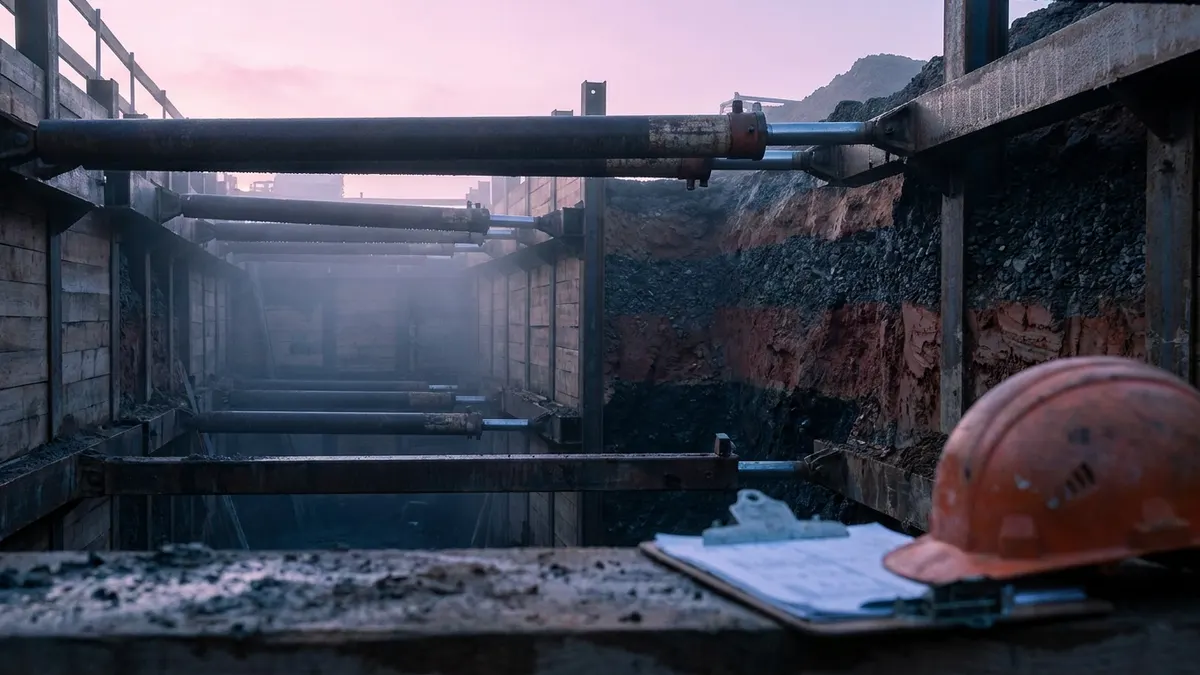
According to Safety+Health Magazine, construction firms operating in Washington state must now complete a written work plan before starting any excavation, trenching, or shoring work, under a new rule adopted by the Washington Department of Labor & Industries. Published April 21 and set to take effect June 1, the rule represents a direct response to a pattern of worker deaths the state has been working to address since at least 2021.
Background
According to Safety+Health Magazine, Washington L&I tied the rulemaking directly to statewide investigations into trenching and excavation incidents in recent years. Those investigations suggested that better risk analysis prior to breaking ground could significantly reduce worker fatalities. The rulemaking process was lengthy: a notice of intent was published in June 2021, a public comment period opened January 7, 2026, and three public hearings took place in February before the rule was finalized.
The rule amends existing regulations to require that employers complete a written work plan “detailing appropriate risk analysis prior to beginning any work that requires a protective system.” Washington L&I says it will provide a template on its website, though employers can also develop their own plan as long as it meets the rule’s criteria. Beyond the written plan requirement, the rule also mandates that a competent person be onsite during all trenching and excavation work, and it addresses recordkeeping and training requirements tied to the work plan.
Analysis
Written work plans are not a radical concept, but making them mandatory with a documented risk analysis component raises the bar considerably for how excavation work gets planned and supervised in Washington.
For years, competent-person requirements and protective system standards have formed the backbone of trenching safety regulation. The problem has never really been a lack of rules. It has been a lack of consistent pre-job risk thinking at the crew level. A written plan requirement forces that conversation to happen on paper, before equipment rolls in, and creates a record that supervisors, safety officers, and, critically, regulators can review after the fact.
That last point matters for subcontractors especially. If an incident occurs and there is no written work plan on file, the documentation gap itself becomes a compliance violation, separate from whatever physical conditions led to the incident. That is a meaningful shift in how liability exposure works on a job site.
The competent-person-on-site requirement, while not new as a concept, gains more teeth when paired with a documented plan. If a competent person is listed as responsible for a specific protective system in the written plan, their absence during work becomes easier to identify and enforce.
The fact that L&I is offering a template is a practical acknowledgment that smaller contractors may not have safety staff capable of drafting these documents from scratch. That is a reasonable accommodation, but it also means there is no excuse for non-compliance. The template removes the “we didn’t know how” defense.
What It Means for Subcontractors
- If you perform excavation or trenching work in Washington state, this rule applies to you starting June 1. There is no grace period mentioned in the source. Plan accordingly before that date.
- Get the L&I template as soon as it’s available on the Washington L&I website. Even if you develop your own plan, reviewing the template tells you exactly what the state expects to see.
- Your written plan must detail risk analysis tied to the protective system being used. A generic checklist is unlikely to satisfy that standard. The plan needs to be specific to the job.
- A competent person must be physically present onsite during trenching and excavation work. If your current crew setup does not guarantee that, you need to address it before June 1.
- Recordkeeping is part of the rule. Keep completed work plans on file. If an incident happens or an inspector shows up, having that documentation is your first line of defense.
- If you work across multiple states, watch for similar momentum elsewhere. Washington is a state-plan state, meaning its rules can exceed federal OSHA standards. Other state-plan states have followed similar paths after their own incident investigations, and this rulemaking could serve as a model.