Texas Upstream Sector Added 1,800 Jobs in March, Job Postings Surge 7%
According to Rigzone, Texas upstream employment rose by 1,800 jobs between February and March 2026, with support activities for oil and gas operations accounting for the majority of that growth. The data, cited by the Texas Independent Producers and Royalty Owners Association (TIPRO) in a statement sent to Rigzone, comes from the latest Current Employment Statistics report published by the U.S. Bureau of Labor Statistics.
Background
The 1,800-job gain breaks down into 600 jobs added in oil and natural gas extraction and 1,200 jobs in support activities, both figures subject to revision, TIPRO noted. The association also reported 9,110 unique industry job postings in Texas during March, a 7% increase compared to February, with 3,913 new postings added during the month.
Nationally, TIPRO tracked 60,130 unique oil and natural gas job postings in March, an 11% increase from February, including 25,907 new postings.
Among Texas cities, Houston led with 2,321 unique postings, followed by Midland with 589 and Odessa with 394. Support Activities for Oil and Gas Operations topped all 19 industry sectors TIPRO tracks, with 2,265 unique job listings in March.
“The increase in upstream employment in March demonstrates the strength and resilience of our industry,” TIPRO President Ed Longanecker said in the statement.
Analysis
The composition of March’s job gains tells an important story. Two-thirds of the new positions, the 1,200 jobs in support activities, landed squarely in the services and contracting segment of the industry rather than with operators themselves. That pattern is consistent with how the upstream sector typically scales: operators bring on field service companies, contractors, and specialty providers before expanding their own direct headcount. When support activity hiring outpaces extraction hiring by a 2-to-1 ratio, it signals that operators are committing work to the field, not just planning it.
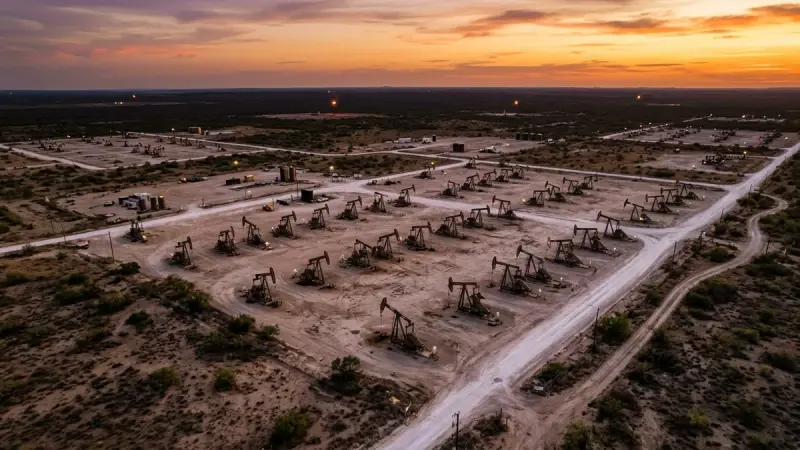
The job posting data reinforces that reading. Of the top 10 companies ranked by unique job postings in March, five were in the services sector. The top three cities, Houston, Midland, and Odessa, map almost perfectly onto the Permian Basin’s operational and administrative hub structure, which continues to anchor Texas upstream activity.
The occupational breakdown is equally revealing. Top posted roles included maintenance and repair workers, heavy and tractor-trailer truck drivers, and retail salespersons. On the qualifications side, a commercial driver’s license topped the list with 216 postings, followed by an MBA credential and a Transportation Worker Identification Credential (TWIC) card. Roughly 64% of postings required a high school diploma or GED, or had no education requirement listed at all. This is a workforce demand profile that skews heavily toward skilled trades and logistics, not office roles.
The median advertised salary of $51,600, drawn from 2,115 salary observations out of 9,110 total postings, offers a baseline benchmark, though it’s worth noting that less than a quarter of postings disclosed salary figures at all.
With WTI crude prices reflected in Rigzone’s data at $105.42 and Brent at $109.26 at the time of publication, operators have strong financial incentive to keep activity levels elevated, which tends to sustain service-side hiring momentum in the months that follow.
What It Means for Subcontractors
- Support activities are driving hiring, not lagging it. The 1,200 support activity jobs added in March, versus 600 in extraction, confirms that operators are pushing work out to the field services tier. Subcontractors positioned in the Permian Basin should expect continued demand.
- Midland and Odessa remain hot spots. With 589 and 394 unique job postings respectively, these two cities are active hiring centers. Subcontractors without a physical presence in the Permian may want to reconsider that.
- CDL drivers and maintenance workers are in demand. If you’re struggling to staff field crews, you’re not alone. The top posted occupations and qualifications point to a tight market for hands-on trades and logistics personnel. Competitive wage offers and benefits packages will matter in recruiting.
- Job posting volume is a leading indicator. The 11% national increase in oil and gas job postings month-over-month suggests the hiring push isn’t limited to Texas. Subcontractors operating in multiple basins should be preparing capacity and workforce plans accordingly.
- Salary transparency is limited. With only 23% of Texas postings listing a salary, there’s limited public benchmarking available. Subcontractors should track compensation data closely to stay competitive without overpaying into a frothy market.