Texas Accounts for Two-Thirds of All New U.S. Natural Gas Pipeline Capacity in 2026-27
According to Permian Basin Oil and Gas Magazine, the U.S. Energy Information Administration reports that 66% of all new natural gas pipeline capacity coming online in 2026 and 2027 originates in Texas, representing 29.7 billion cubic feet per day out of a total 44.9 Bcfd of planned additions nationwide.
Market Impact
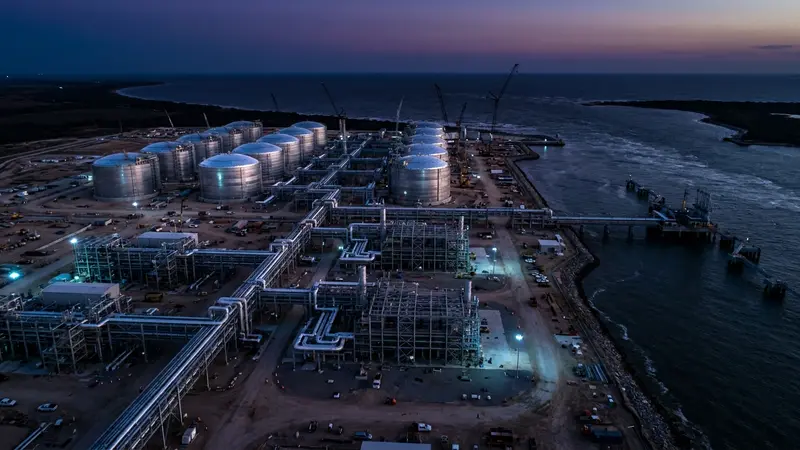
The EIA released its natural gas pipeline projects report on May 26, confirming that 31.6 Bcfd, roughly 70% of the total new capacity, is already under construction. The agency noted that Texas projects will provide additional takeaway capacity out of the Permian Basin and debottleneck the Waha hub, supplying natural gas to LNG export terminals as well as residential, power, and industrial users.
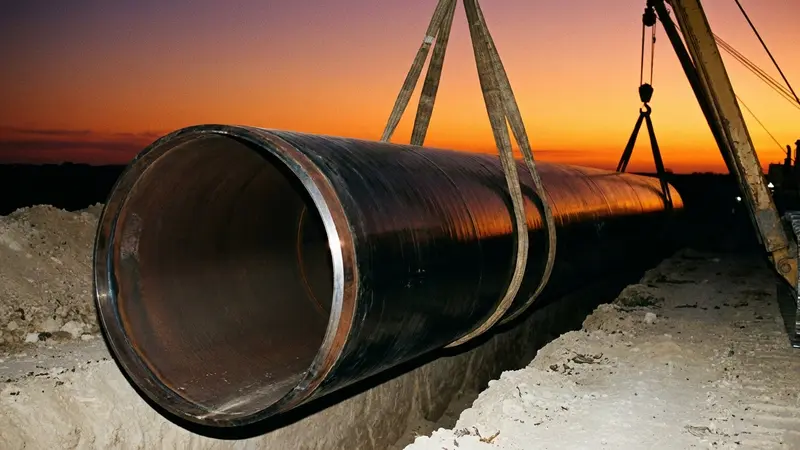
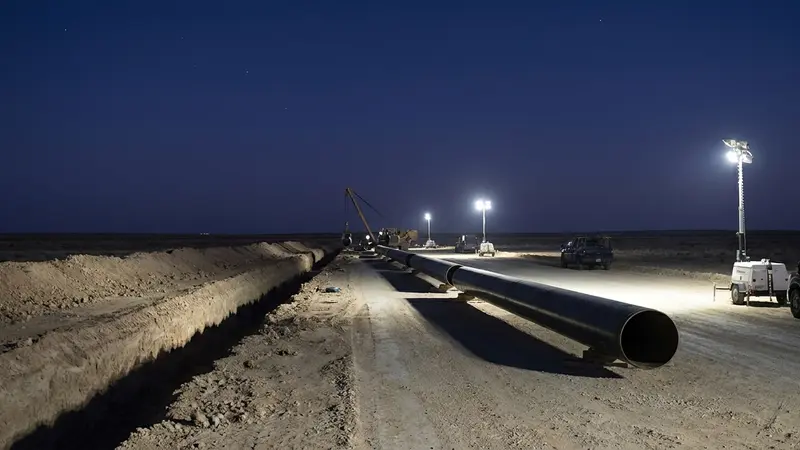
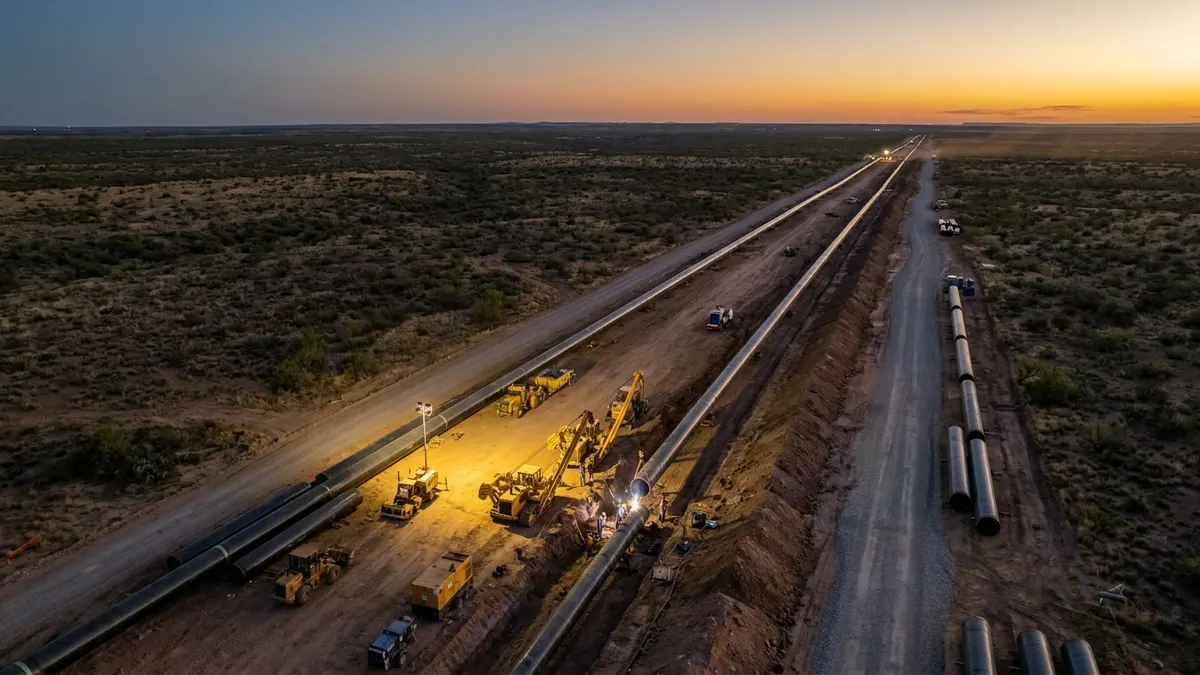
The largest projects currently under construction include three major pipelines: Rio Bravo, a 138-mile line with 4.5 Bcfd of capacity that will deliver feedgas to NextDecade’s Rio Grande LNG export terminal; Blackcomb, a 365-mile pipeline with 2.5 Bcfd of capacity moving Permian supply from Waha to Agua Dulce; and Hugh Brinson, a Permian takeaway project with 2.2 Bcfd of capacity.
What It Means for Subcontractors
- Position in Texas now. With 29.7 Bcfd of pipeline capacity originating in Texas, the state is the single most active pipeline construction market in the country through at least 2027. Field service companies without a Texas footprint are missing the bulk of near-term work.
- Target the Waha hub corridor. The EIA specifically called out Permian Basin takeaway and Waha debottlenecking as the driver. Right-of-way, welding, inspection, and hydrostatic testing contractors should be pursuing work along West Texas routes.
- LNG terminal connections are a growth lane. Projects like Rio Bravo are feeding LNG export terminals on the Gulf Coast. Subs with experience in high-pressure feedgas infrastructure are well positioned for this segment.
- Don’t wait on 30% still in planning. With 70% already under construction, the active bid window for the remaining capacity is open now. Companies that aren’t already in conversations with prime contractors on these projects risk being locked out.