Skilled Trades Shortage Is the Real Bottleneck in AI Infrastructure Buildout
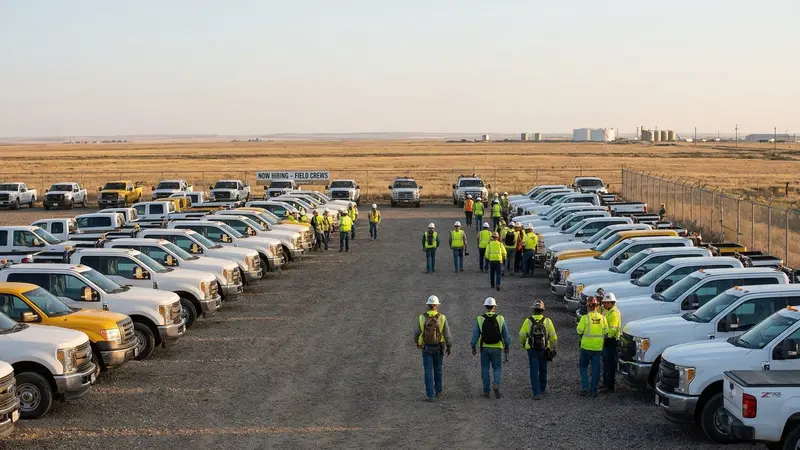
According to OilPrice.com, the massive infrastructure push behind artificial intelligence is colliding with a fundamental constraint that Silicon Valley didn’t anticipate: there aren’t enough skilled tradespeople to build it. The article frames the AI buildout not as a software or capital problem, but as a blue-collar labor problem, one that spans data centers, power generation, and the grid upgrades required to keep it all running.
Background
The premise is straightforward. AI requires enormous amounts of power and physical infrastructure. Data centers need to be built, electrical systems need to be installed and commissioned, cooling systems need pipefitters, and the grid connections feeding all of it need line workers and substation technicians. According to OilPrice.com, the demand for this kind of physical construction work is running ahead of the available workforce to do it.
This isn’t a new story in isolation. The trades have faced a recruiting and retention problem for years, with retirements outpacing new entrants into apprenticeship programs. What’s changed is the source of demand. The AI infrastructure wave is a new, concentrated load hitting a labor market that was already stretched across energy transition projects, LNG terminal expansions, and ongoing industrial construction in the Gulf Coast and Southwest.
Analysis
The framing of this as Silicon Valley’s problem is accurate but incomplete. It’s everyone’s problem, and field service companies working in oil and gas, power, and industrial construction are already living it.
What the AI buildout has done is add a new, well-funded competitor for the same pool of journeyman electricians, ironworkers, and instrumentation technicians that upstream and midstream operators have been fighting over for years. Tech companies and their general contractors are willing to pay, which means wage pressure across every sector that draws from the same labor pool. A wireline company in the Permian, a mechanical contractor in the Gulf Coast petrochemical corridor, and a data center GC outside Dallas are all recruiting from overlapping talent pools.
That’s the part worth understanding. The AI infrastructure story isn’t just a tech story. It’s a labor market story, and its effects ripple outward into every industry that depends on skilled tradespeople.
There’s also a longer-term structural issue. The article’s premise, that blue-collar labor is the binding constraint on a multi-trillion-dollar technology buildout, signals something important about where leverage sits in the economy right now. The people who can run conduit, certify high-voltage installations, or fabricate and weld structural steel are not in oversupply. They’re not going to be in oversupply anytime soon. Training pipelines for journeyman-level tradespeople run four to five years, and no amount of venture capital accelerates that.
For the power sector specifically, this matters enormously. Grid interconnection queues are already years long. Transformer lead times have stretched dramatically. Adding a labor shortage on top of supply chain constraints means that even projects with permits, capital, and equipment face delays because there aren’t enough qualified hands to do the work. Subcontractors who can reliably staff and execute electrical and mechanical work on schedule are, in this environment, genuinely scarce resources.
The geographic concentration of AI infrastructure investment also creates regional labor crunches. Data center corridors in Texas, Virginia, and the Southwest are drawing workers regionally. That can pull labor away from existing industrial and energy work in adjacent markets, tightening availability even for projects that have nothing to do with tech.
What It Means for Subcontractors
-
Wage benchmarking matters now more than it did two years ago. If you’re pricing labor-intensive contracts, understand that your tradespeople have options, including data center construction that may offer steadier schedules. Price accordingly or risk turnover mid-project.
-
Workforce retention is a competitive advantage. A subcontractor that can hold onto its journeyman electricians and pipefitters is more valuable to operators and GCs than one that wins bids but scrambles to staff them. Benefits, scheduling predictability, and career development paths are worth investing in.
-
Specialty certifications are leverage. High-voltage work, instrumentation, and other credentialed specialties are in demand across multiple sectors at once. Crews with those certifications can command premium rates in the current market.
-
Long-term agreements are worth pursuing. If demand for skilled labor is structurally tight across AI infrastructure, energy transition, and oil and gas, operators and developers will want to lock in reliable contractors. Master service agreements and frame contracts protect both sides, and right now, subcontractors have real negotiating power.
-
Watch the data center and power generation markets. Even if your core business is oil and gas, the infrastructure being built to power AI is electrical, mechanical, and civil work. Companies with transferable capabilities should be evaluating whether diversification into that sector makes sense.
The bottom line is this: the trades shortage is not a future problem. It’s a present one, and it’s being amplified by a new, deep-pocketed source of demand. Field service companies that treat their workforce as a strategic asset, rather than a variable cost, are the ones positioned to benefit.