Shell Bets on Canada Gas Growth Via ARC Deal, LNG Canada Phase 2
Shell is putting Canada at the heart of its natural gas growth plan, with the company’s CFO framing the pending ARC Resources takeover and the LNG Canada project as twin pillars of that strategy, Natural Gas Intelligence reports.
Background
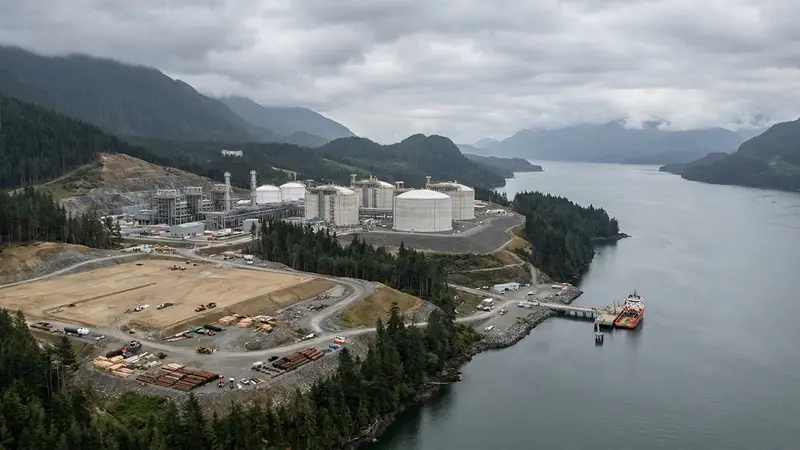
Natural Gas Intelligence reports that Shell’s push centers on two moves: a takeover of Calgary-based ARC Resources that is still awaiting final approval, and the LNG Canada export terminal, which the outlet says has reached full operations. NGI also notes that Shell expects a decision on LNG Canada’s Phase 2 expansion by the end of the year. Beyond those three data points, the underlying NGI report is limited in public detail, but the framing from Shell’s CFO is clear: Canada is now a core piece of the company’s long-term natural gas strategy, not a side bet.
The ARC Resources deal and LNG Canada’s ramp-up have been running in parallel storylines in NGI’s coverage for months, including companion pieces on LNG Canada’s momentum toward a Phase 2 final investment decision and its recent First Nations agreement. Taken together, they point to a company consolidating upstream gas supply in Western Canada while locking in downstream liquefaction capacity to move that gas to export markets.
Analysis
For a company the size of Shell, “investing heavily” in a single country signals more than a one-off acquisition. Pairing an upstream takeover like ARC Resources with a major LNG export facility is a vertical integration play: control the gas in the ground in Alberta and British Columbia, then control the terminal that turns it into a global export product. That combination reduces Shell’s exposure to Western Canadian price weakness (an issue NGI has separately reported is squeezing producers like Tourmaline) by giving the company a captive outlet for its own molecules.
The timing matters too. LNG Canada reaching full operations means the terminal is now pulling feedgas at scale, which typically drives incremental demand for pipeline capacity, compression, and processing infrastructure upstream in the WCSB. A Phase 2 decision expected by year-end would effectively double that facility’s capacity if sanctioned, which historically triggers a fresh wave of engineering, procurement, and construction packages, not just at the terminal site in Kitimat, but across the gathering and transmission systems that feed it.
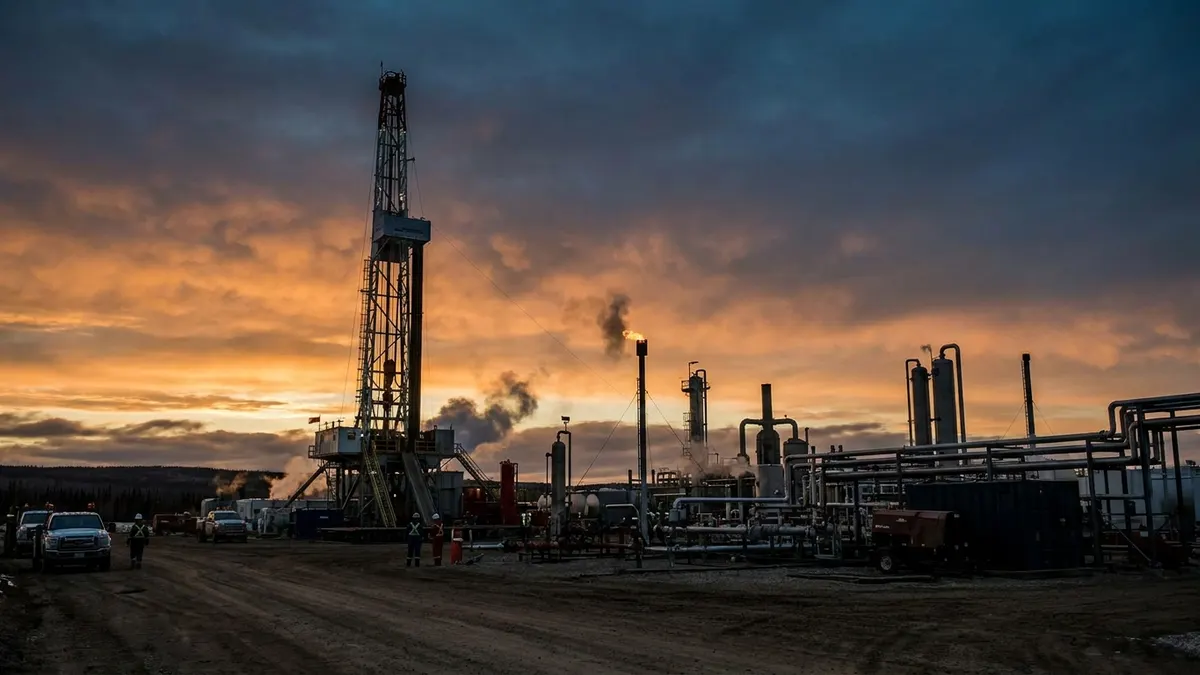
The ARC Resources approval is the piece to watch most closely from a field-services standpoint. Until that deal closes, Shell doesn’t yet control ARC’s asset base outright, and any near-term development decisions tied to those assets are still ARC’s to make under its existing ownership. Subcontractors should treat the takeover as a signal of intent rather than a green light for new work. Once approval clears, expect Shell to move quickly to align ARC’s Montney-area gas supply with LNG Canada’s feedgas needs, which is where the real subcontracting opportunity will show up.
What It Means for Subcontractors
- Track the ARC Resources takeover’s final approval status through Shell and ARC investor updates. Until the deal closes, don’t assume Shell controls ARC’s development timeline or budget for new field work.
- Watch for Shell’s Phase 2 final investment decision on LNG Canada, expected by year-end. An FID would likely open new EPC and subcontract packages for pipeline, compression, and gas-processing work tied to feedgas supply, separate from the terminal construction itself.
- Pipeline, compression, and gas-processing contractors working in the Montney and broader WCSB should position now, before ARC deal closure and any Phase 2 sanctioning, so they’re on bid lists when Shell begins aligning upstream supply commitments with LNG Canada’s expanded capacity.
- Because the underlying deal and FID are both still pending, treat this as a pre-award signal, not a near-term bid opportunity. Firms should use this window to build relationships with ARC and Shell procurement teams rather than expect subcontract packages to hit the street immediately.
- Keep an eye on companion LNG Canada developments, including First Nations agreements tied to the project, since community and regulatory milestones often precede formal contract releases for pipeline tie-ins and site work.