Why Permian Producers Won't Rush to Drill Despite $100 Oil
According to East Daley Analytics, Permian Basin producers are unlikely to deliver a meaningful supply response to elevated crude prices in 2026, held back by gas takeaway constraints, a backwardated forward curve, and capital discipline that has become structural rather than cyclical.
The analysis, published in mid-March when WTI briefly touched $120/bbl during the early stages of the Middle East crisis, identifies three constraints that remain relevant even as prices have settled in the $90-100 range.
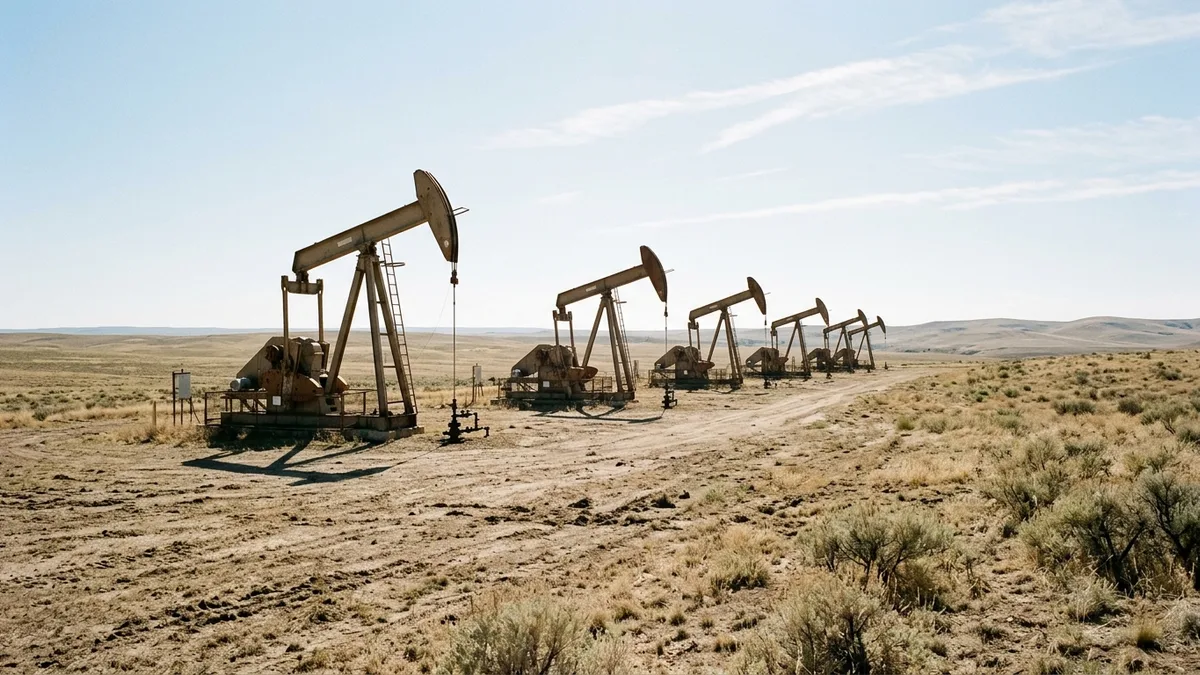
First is the infrastructure bottleneck in the Permian itself. Limited natural gas takeaway capacity restricts producers’ ability to increase drilling activity, since associated gas must go somewhere. The Blackcomb and Hugh Brinson pipelines are expected to add a combined 4.7 Bcf/d of capacity by late 2026, but until those come online, producers are effectively capped.
Second is the forward curve. While spot WTI has traded near $100, futures for the fourth quarter of 2026 are closer to $76-79. “Producers are unlikely to materially increase capital budgets based on a price spike that the market expects to be temporary,” East Daley notes.
Third is capital allocation. Several producers with Permian positions — including Devon Energy — also hold acreage in the Bakken, Rockies, and Anadarko basins. With new Permian gas takeaway expected by year-end, these operators are reluctant to redirect capital to other regions for what could be a short-lived opportunity.
East Daley identifies a small group of operators positioned to capture higher prices without committing to large spending increases: EOG Resources, Chord Energy, and Civitas Resources, which have limited hedge exposure and existing operational flexibility in basins outside the Permian.
What It Means for Subcontractors
- The Permian rig count is not a reliable bull signal right now. Flat-to-declining rig activity in the basin does not mean operators are bearish — it means they are capped by midstream infrastructure, and the bottleneck persists at least through Q3 2026.
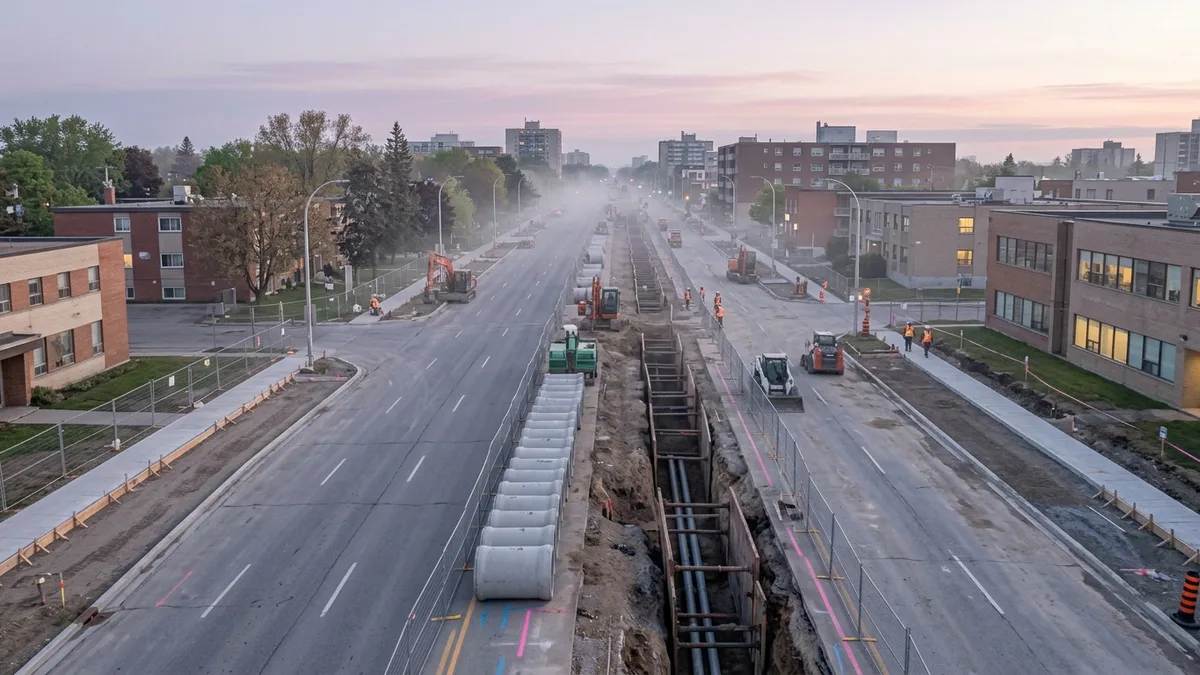
- The real near-term opportunity is in midstream construction: the Blackcomb and Hugh Brinson pipelines represent 4.7 Bcf/d of new capacity requiring right-of-way, compression, and tie-in work through late 2026.
- For field service companies, the Permian is a maintenance and efficiency market in 2026, not a growth market. Operators are spending to sustain flat production, not to expand it. That favours service providers who can demonstrate cost compression and uptime reliability over those positioned for a volume ramp.
- Outside the Permian, the Bakken, Anadarko, and Eagle Ford basins could see incremental activity from the small group of flexible operators East Daley identifies — but this is a niche opportunity, not a sector-wide tailwind.