Permian Power Crunch Signals Boom Time for West Texas Electrical Contractors
Power demand in the Permian Basin is climbing so fast that Texas grid officials are warning of possible rotating outages next summer, a Bloomberg report via World Oil shows, and the driver isn’t just data centers. It’s the oil and gas producers themselves.
Diamondback Energy CEO Kaes Van’t Hof told the Federal Reserve Bank of Dallas in an interview published this week that his company’s power needs will likely double over the next decade, even if production stays flat. “Electricity consumption for the Permian has just gone through the roof,” Van’t Hof said. “It’s only gone up every year.”
Background
According to World Oil’s reporting, Permian electricity demand has been rising for years as operators replace diesel-powered drilling rigs and frac pumps with electrified equipment. That trend is now compounding with a separate wave of data center development targeting the basin, and the two forces together are straining a grid that was not built for this pace of growth.
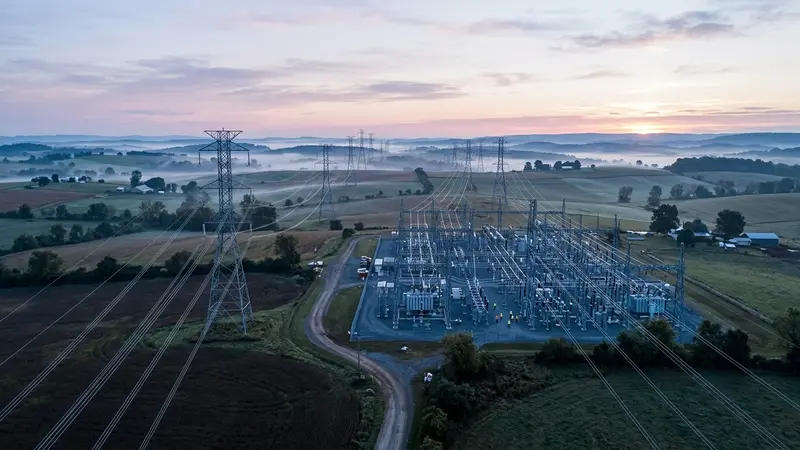
Citigroup analysts Ryan Levine and Amber Zhao told investors in a Thursday note that Far West Texas could face rotating outages as early as next summer. Their warning followed testimony this week from executives at Texas’s grid operator, ERCOT, and the state’s utility regulator before the Texas House State Affairs Committee. Those officials argued that new transmission lines are needed in the region to serve existing oil and gas demand and maintain reliability, regardless of whether data center growth materializes as expected, per the Citigroup note cited by World Oil.
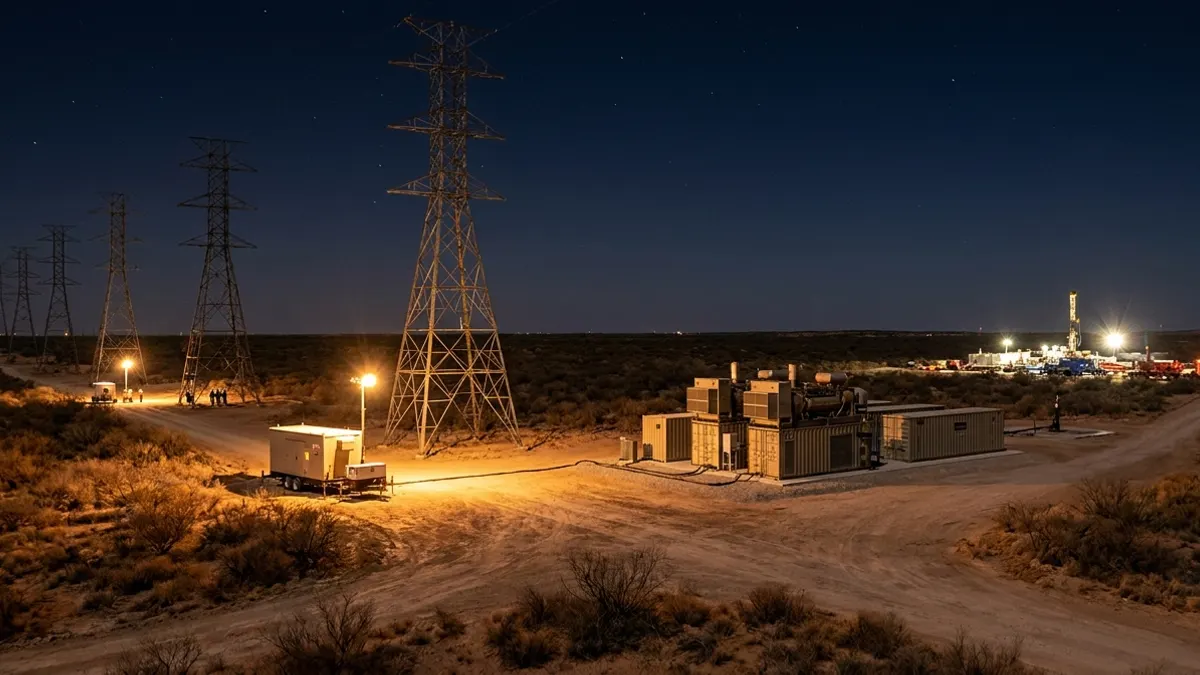
Van’t Hof also disclosed a concrete bottleneck: the average wait time to get a new connection to the grid in the Permian has stretched to 950 days. In response, Diamondback and other producers have started building microgrids to power their own frac equipment rather than wait on utility interconnections. Separately, World Oil notes that Texas’s main grid, ERCOT, may see peak demand challenge all-time records this week amid a heat wave, and with wind generation expected to weaken, the grid will lean on gas generators and batteries to cover the gap.
Analysis
The 950-day interconnection wait is the number subcontractors should sit with. That is nearly three years between a producer deciding it needs more power and actually getting it from the grid. In a basin where drilling and completions schedules move in months, not years, that gap forces operators to build their own generation and distribution infrastructure on-site rather than wait in line. That is precisely the kind of work that falls to electrical contractors, E&I crews, and substation specialists rather than utilities.
Diamondback’s move toward microgrids for frac gear is a signal, not an isolated decision. If one of the basin’s largest producers is bypassing grid dependency to keep completions running, other operators facing the same queue will likely follow. That means demand for temporary and permanent power generation, distribution equipment, and control systems at the wellsite level, not just at utility substations.
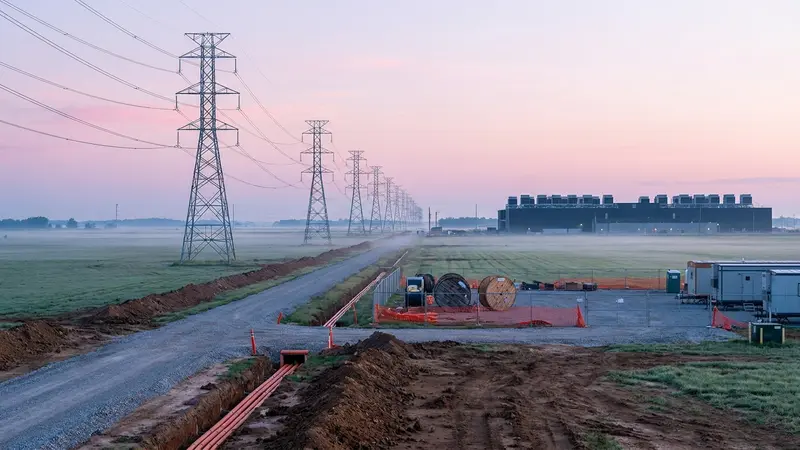
The dual pressure from data centers and oilfield electrification also changes the calculus for where transmission investment gets prioritized. ERCOT and state regulators are already telling lawmakers that new transmission lines are justified by oil and gas demand alone, independent of data centers. That argument, made directly to the Texas House State Affairs Committee this week, suggests transmission buildout in the Permian isn’t a speculative bet tied to a single sector. It’s being treated as necessary infrastructure regardless of how the data center trend plays out, which lowers the risk profile for subcontractors evaluating whether to staff up for this work.
The abundance of associated natural gas in the Permian, produced as a byproduct of oil drilling, gives the region a built-in fuel source for gas-fired generation even if oil output plateaus. World Oil’s reporting notes that rising gas-to-oil ratios mean the basin will keep growing as a gas producer for years, which supports continued investment in gas generation infrastructure to serve both oilfield and data center loads.
What It Means for Subcontractors
- Electrical and E&I contractors serving Permian producers should expect ongoing demand for on-site microgrid construction and frac-pump power systems, following Diamondback’s lead in bypassing grid interconnection delays.
- The 950-day average grid connection wait time, disclosed by Diamondback’s CEO, points to sustained work in temporary power generation and behind-the-meter electrical infrastructure for operators unwilling to wait on utility timelines.
- Transmission and substation subcontractors should watch for project announcements following this week’s Texas House State Affairs Committee testimony, where ERCOT and state regulators argued new transmission lines are needed in the Permian independent of data center growth.
- Gas-fired generation infrastructure work is likely to grow alongside rising gas-to-oil ratios in the basin, creating opportunities for mechanical and pipefitting crews tied to gas gathering and power generation equipment.
- Far West Texas contractors should monitor grid reliability risk directly. Citigroup analysts flagged the possibility of rotating outages as early as next summer, which could accelerate producer investment in backup and independent power solutions on compressed timelines.