Energy Transfer's Gateway NGL Pipeline Project Boosts Delaware Basin Deliveries
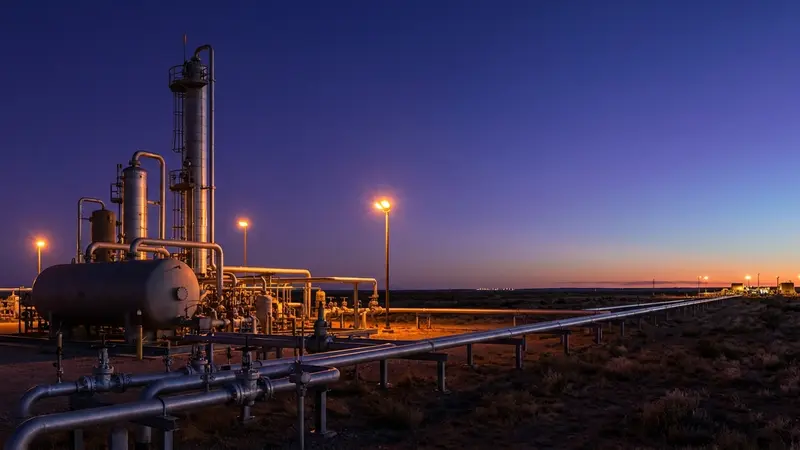
According to Permian Basin Oil and Gas Magazine, Dallas-based Energy Transfer placed its Gateway NGL pipeline debottlenecking project into service during the first quarter of 2026, increasing deliveries from the Delaware Basin in west Texas to the company’s NGL fractionation complex at Mont Belvieu. The move coincided with broad volume growth across Energy Transfer’s midstream network compared to the same period in 2025.
Background
Energy Transfer reported that Q1 2026 volumes climbed across multiple segments year-over-year. According to Permian Basin Oil and Gas Magazine, NGL and refined products terminal volumes were up 19%, NGL exports were up 19%, NGL transportation volumes were up 12%, NGL fractionation volumes were up 11%, and crude oil transportation volumes were up 8%.
The Gateway project is specifically a debottlenecking effort, meaning it did not require an entirely new pipeline corridor but rather expanded the throughput capacity of existing infrastructure moving NGLs out of the Delaware Basin. The destination, Mont Belvieu, is the primary NGL fractionation and storage hub on the Texas Gulf Coast, making this connection a critical link in the Permian-to-coast value chain.
Energy Transfer operates approximately 140,000 miles of pipelines and associated energy infrastructure across 44 states, according to the magazine.
Analysis
The volume numbers Energy Transfer posted are notable across the board, but the Gateway project’s timing tells a specific story about where Permian Basin development pressure is concentrated right now. The Delaware Basin, which spans west Texas and southeast New Mexico, has been the more technically complex and capital-intensive side of the Permian play. Getting NGL volumes moving efficiently out of that basin requires midstream infrastructure to keep pace with upstream activity, and debottlenecking projects like Gateway are how operators close that gap without waiting years for entirely new build-outs.
A 12% increase in NGL transportation volumes and an 11% lift in fractionation volumes, both compared to Q1 2025, suggests that upstream production in the Delaware is running ahead of what older pipeline configurations could handle. Debottlenecking was likely the fastest and most cost-effective path to relief, and Energy Transfer clearly moved on it.
The 19% jump in NGL exports is also worth watching. Gulf Coast export capacity has expanded significantly in recent years, and tying Delaware Basin production more directly to Mont Belvieu positions Energy Transfer to capture that export demand. For the broader midstream sector, this is a signal that the Delaware Basin is still generating enough upstream momentum to justify continued infrastructure investment, even in a market that has cycled through periods of capital caution.
The crude oil transportation figure, up 8%, rounds out a picture of an operator seeing growth across nearly every product category. That kind of broad-based volume increase points to sustained upstream activity rather than a spike in one segment.
What It Means for Subcontractors
- Pipeline integrity and maintenance work is expanding. With Energy Transfer actively commissioning debottlenecking projects and reporting volume growth across its 140,000-mile network, demand for inspection, maintenance, and integrity services on NGL and crude lines in the Permian and along the Gulf Coast corridor is likely to remain strong.
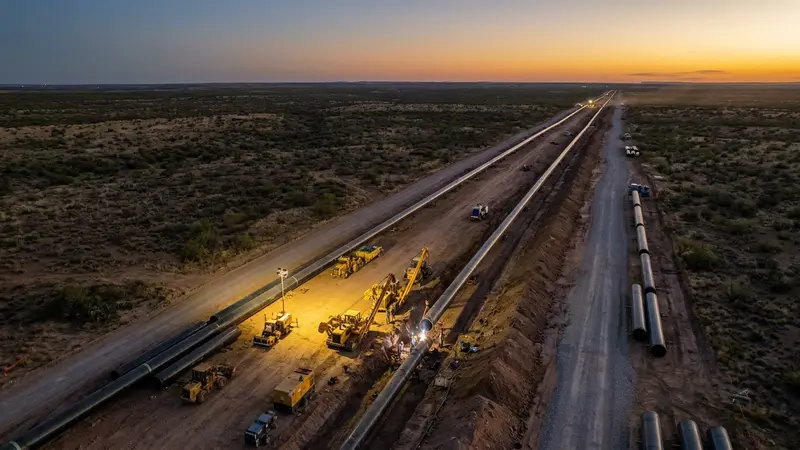
- Delaware Basin field activity supports ongoing subcontract opportunities. The Gateway project’s focus on the Delaware Basin confirms that operators and midstream companies are still investing in that geography. Subcontractors offering construction, welding, instrumentation, and facility services in the Permian should see continued workload from both upstream and midstream clients.
- Mont Belvieu connectivity projects could generate downstream work. As more Delaware Basin volumes flow toward Mont Belvieu, fractionation and terminal infrastructure in that hub may require expansion or upgrades, creating additional project opportunities for Gulf Coast-based subcontractors.
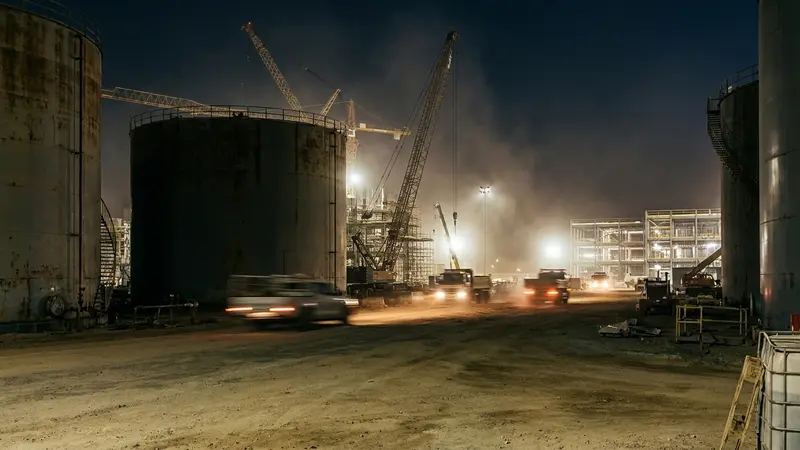
- Debottlenecking projects favor experienced, fast-moving crews. Unlike greenfield builds, debottlenecking work often runs on compressed timelines with existing operational constraints nearby. Subcontractors who can mobilize quickly and work safely around live infrastructure have an edge in winning this type of work.