Electrification to Add 24 GW of U.S. Power Load by 2035, Led by Industrial Demand
According to Permian Basin Oil and Gas Magazine, a new report from Enverus Intelligence Research (EIR) projects that electrification will add approximately 24 GW of incremental power load across the Lower 48 states by 2035, climbing to roughly 78 GW by 2050. The report, titled “Electrification Load Forecast: The L48 Goes Electric,” identifies industrial processes and space heating transitions as the primary forces driving that demand. For subcontractors working in utility construction, electrical infrastructure, and industrial services, the decade ahead is shaping up to be one of the most active build cycles in recent memory.
Background
EIR, a subsidiary of Enverus, released the forecast to map how the shift from fuel-based technologies to electric alternatives will reshape U.S. grid demand over the next two decades. The numbers are significant but also regionally concentrated. According to the report, three grid regions, PJM, MISO, and NYISO, will account for 69% of that incremental load by 2035. These are densely populated, industrially active regions with significant gas- and oil-dependent building stock, making them ripe for large-scale heating and process transitions.
Not every region will see the same growth. EIR notes that areas already running electric resistance heating may actually see net load reductions as more efficient heat pump systems replace older technology. Efficiency gains, in other words, can offset new demand in some markets even as others surge.
Policy is playing an active role in shaping where growth concentrates. State-level electrification mandates, particularly in colder northern markets, are expected to drive outsized relative growth. EIR projects a 27% load increase in ISO New England and a 21% increase in New York ISO by 2035. Kevin Kang, the report’s author and a senior analyst at EIR, put it plainly: “Electrification is emerging as a measurable and regionally concentrated driver of U.S. load growth, with industrial demand and heating transitions leading the increase.”
Industrial electrification carries the heaviest weight in the forecast, contributing 11.4 GW, or 47% of total incremental load by 2035. Commercial buildings follow with 6.8 GW (29%), and residential heating transitions add 5.7 GW (24%). Across all three sectors, the common thread is infrastructure buildout: new substations, upgraded distribution systems, expanded transmission capacity, and large-scale electrical installations at industrial sites.
Analysis
The EIR forecast is not a distant projection. With 2035 just nine years out, the planning and permitting work that enables 24 GW of new load capacity needs to start now, and in many cases, it already has. That creates a meaningful near-term demand signal for the subcontractor market, particularly in electrical, civil, and mechanical trades.
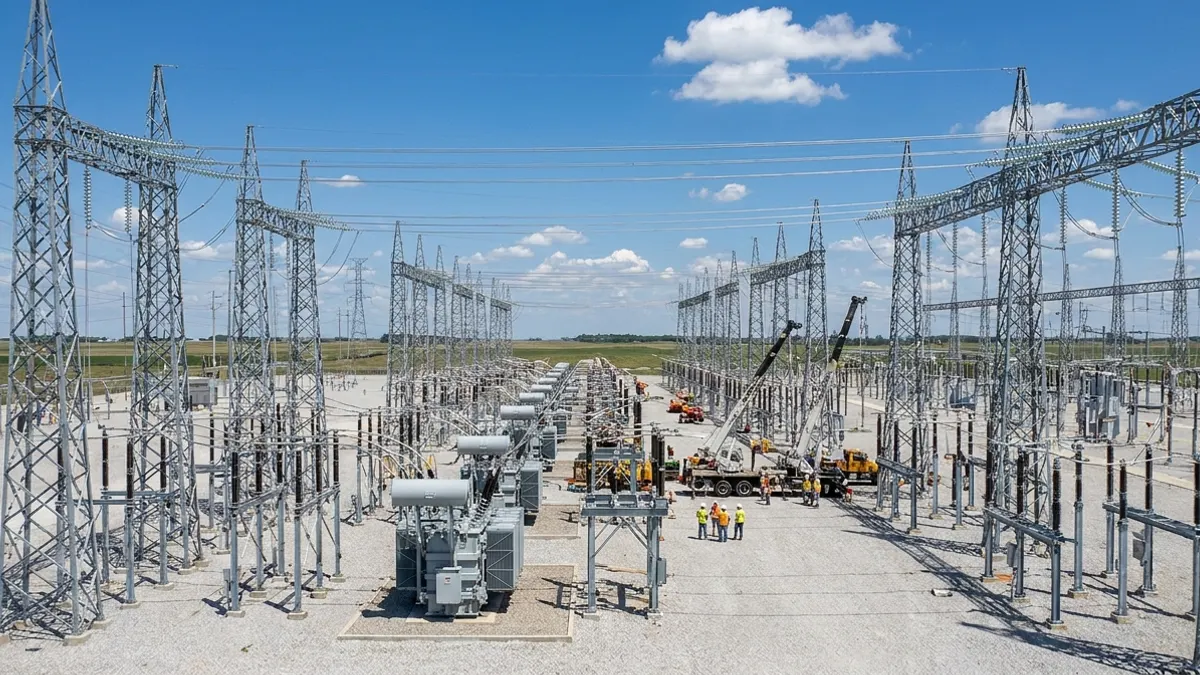
What makes this forecast especially relevant for field operators is the industrial concentration of that load growth. Industrial facilities do not simply plug in a heat pump and call it done. Electrifying industrial processes typically requires significant upstream work: upgraded service entrances, new switchgear, expanded transformer capacity, conduit and cable installations, and in many cases, entirely new electrical distribution infrastructure on site. That work flows directly to electrical subcontractors and industrial maintenance firms.
The regional concentration is also worth noting. PJM, MISO, and NYISO cover a broad swath of the Midwest, Mid-Atlantic, and Northeast, markets that have historically been strong for construction and industrial services. Subcontractors with established footholds in Ohio, Michigan, Pennsylvania, Illinois, or the greater New York area are positioned to benefit more directly than those concentrated in regions like ERCOT or the Mountain West, where the incremental load picture is different.
Kang’s comment about “increased winter sensitivity and market volatility” also has operational implications. As more load shifts to electric heating, winter peak demand events will become more intense. That puts pressure on grid reliability infrastructure and creates sustained demand for services like substation upgrades, emergency response contracting, and distribution system hardening. Utilities planning for those scenarios will need contractor capacity, and they will need it with lead time.
The 78 GW projection by 2050 tells a longer story: this is not a single-cycle build. It is a structural, multi-decade shift in how the U.S. generates, distributes, and consumes electricity. Subcontractors who build the capability and relationships now are building a pipeline, not just winning a job.
What It Means for Subcontractors
- Industrial electrical work is the largest single driver of projected load growth, at 47% of incremental demand by 2035. Firms with industrial electrical capability should be actively targeting electrification projects at manufacturing, processing, and energy facilities.
- The Northeast and Midwest are the highest-growth regions through 2035. State-level mandates in ISO New England and NYISO markets are expected to drive 27% and 21% load increases respectively, creating concentrated demand for utility and building electrical contractors in those areas.
- Nine years is a short runway for infrastructure of this scale. Utilities are planning now, which means subcontractors who position themselves as qualified partners for large electrification projects need to be in those conversations before the work is bid, not after.
- Winter peak sensitivity will grow as heating electrification expands. Emergency response contracting, grid hardening, and substation maintenance work will increase in regions with significant heating load transitions.
- Efficiency gains in some markets may suppress local demand. Subcontractors in regions with high existing electric resistance heating penetration should understand how heat pump adoption could affect the overall volume of new electrical work in their territory.
- The 78 GW projection by 2050 indicates this is a long-cycle opportunity. Building expertise and contractor relationships in electrification work now positions firms for sustained demand well beyond the current decade.