Caturus Plans Five-Train Expansion at Commonwealth LNG in Louisiana
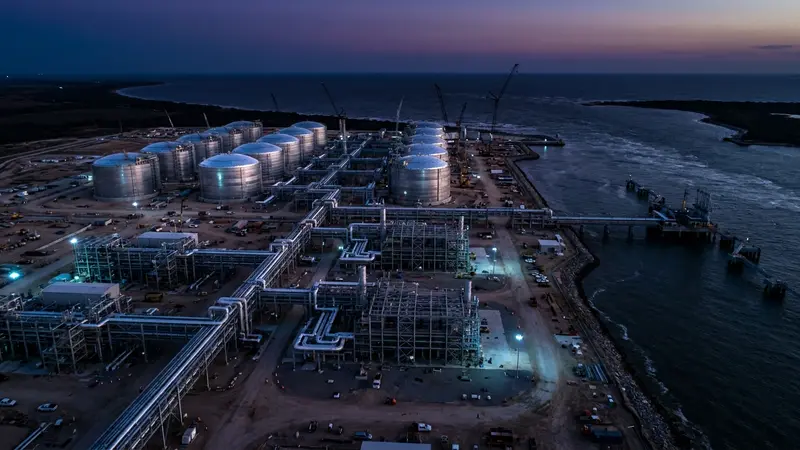
Houston-based Caturus is moving to nearly double the export capacity of its Commonwealth LNG project in Louisiana, adding five liquefaction trains and 7.75 Mt/y of new capacity, Natural Gas Intelligence reports. The expansion, aimed at an early 2030s startup, comes as the developer says initial project capacity is already nearly 90% subscribed.
Background
Natural Gas Intelligence reports that Caturus is expanding Commonwealth LNG in response to surging global energy demand. The five new trains would add 7.75 Mt/y of liquefaction capacity to the project, according to the outlet, which notes the expansion targets a startup window in the early 2030s. NGI also reports that the initial phase of Commonwealth LNG is nearly 90% subscribed, a subscription level that typically signals a project is well positioned to move toward a construction decision.
Commonwealth LNG has been one of several export terminals advancing along the Gulf Coast as developers race to lock in long-term offtake agreements with buyers in Asia and Europe. The project sits in southwest Louisiana, a region that has become a concentration point for LNG construction activity, alongside terminals like Port Arthur LNG and Sempra Infrastructure’s expansion projects in Texas.
Analysis
A five-train addition at nearly double the originally planned capacity is a significant scale-up, not an incremental tweak. Projects of this size typically require years of sustained construction activity, and the fact that Caturus is pursuing this expansion while the initial phase is still working toward full subscription suggests the developer sees enough demand signal to commit to a much larger footprint from the outset rather than phasing growth in slowly over a decade.
The nearly 90% subscription rate on the initial capacity matters more than it might appear. LNG developers generally need firm, long-term offtake contracts in hand before lenders and equity partners will commit to a final investment decision. A project that’s this close to fully subscribed on its first phase is in a strong position to reach FID, and an expansion announcement layered on top of that typically signals the developer is already in active conversations with EPC contractors and is sizing the construction program to match anticipated demand.
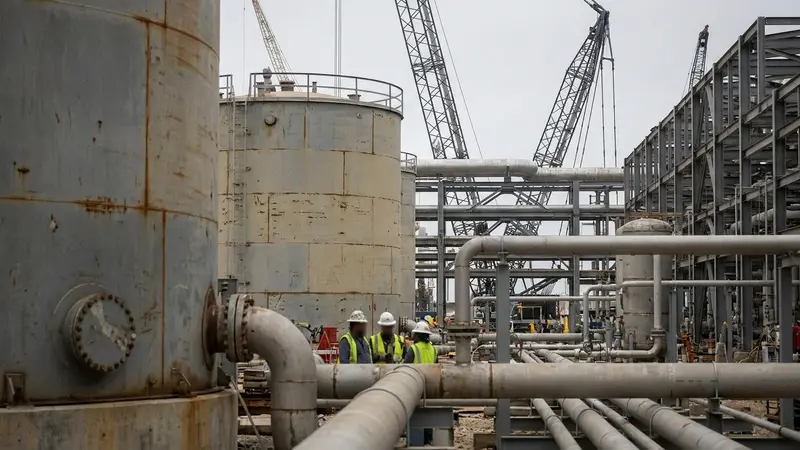
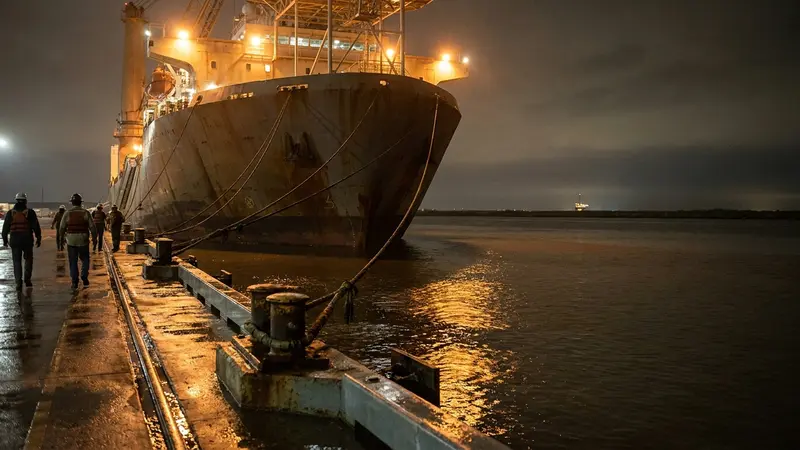
For the Gulf Coast construction market, this is another data point in a trend that’s been building for several years: LNG capacity additions are increasingly coming not from brand-new greenfield terminals but from operators expanding existing or near-FID sites. That has real implications for how subcontract work gets packaged. Expansion trains at an established site often move faster through permitting and site prep than a standalone project, because roads, laydown yards, marine infrastructure, and utility tie-ins may already exist or be under development. That can compress the runway between announcement and mobilization, which means contractors who wait for a formal FID announcement before engaging with the EPC team risk missing the window to get on prequalified bidder lists.
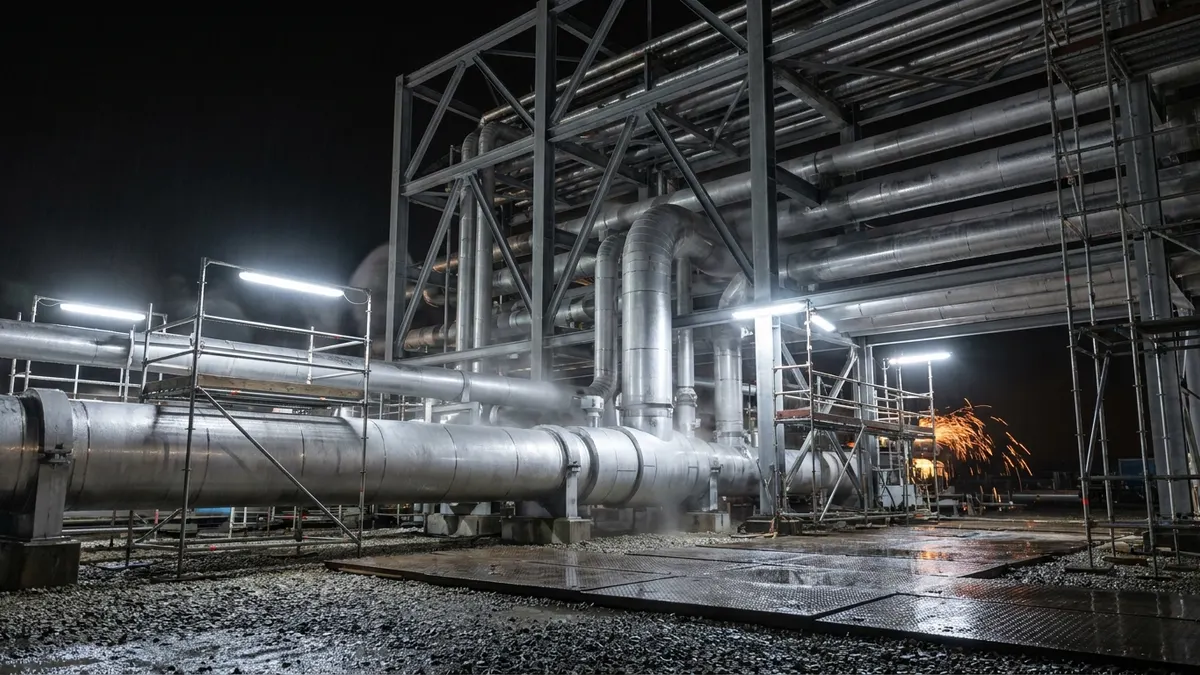
It also adds to what’s becoming a crowded competitive picture in southwest Louisiana and the broader Gulf Coast LNG corridor. With Port Arthur LNG Phase 2 advancing toward a 2030-2031 startup and other terminals moving through their own expansion and commercialization phases, the region is stacking up multiple large-scale liquefaction construction programs on overlapping timelines. That’s good news for contractors with LNG-specific experience, but it also means labor availability, especially skilled craft labor in welding, pipefitting, and E&I, could tighten across the region as these projects compete for the same workforce pool.
What It Means for Subcontractors
- Civil, mechanical, and E&I subcontractors working the Gulf Coast should reach out to Commonwealth LNG’s EPC team now to get on prequalification lists ahead of a formal FID announcement, since expansion trains at existing sites can move to construction faster than greenfield projects.
- Craft labor providers specializing in welding, pipefitting, and instrumentation should begin assessing workforce availability in southwest Louisiana given that Commonwealth LNG’s five-train buildout will overlap with other regional LNG construction programs, including Port Arthur LNG Phase 2’s push toward a 2030-2031 startup.
- Scaffolding, insulation, and specialty trade contractors should track subcontract package announcements as Commonwealth LNG moves from the current nearly 90%-subscribed initial phase toward a construction decision on the larger five-train scope.
- Companies with existing relationships or completed work at Gulf Coast LNG terminals should use that track record to position for early-mover subcontract packages, since developers scaling up an already-subscribed project tend to move quickly once financing and offtake commitments are locked in.