New Wave of US LNG Terminals Set to Add Nearly 8 Bcf/d by 2028
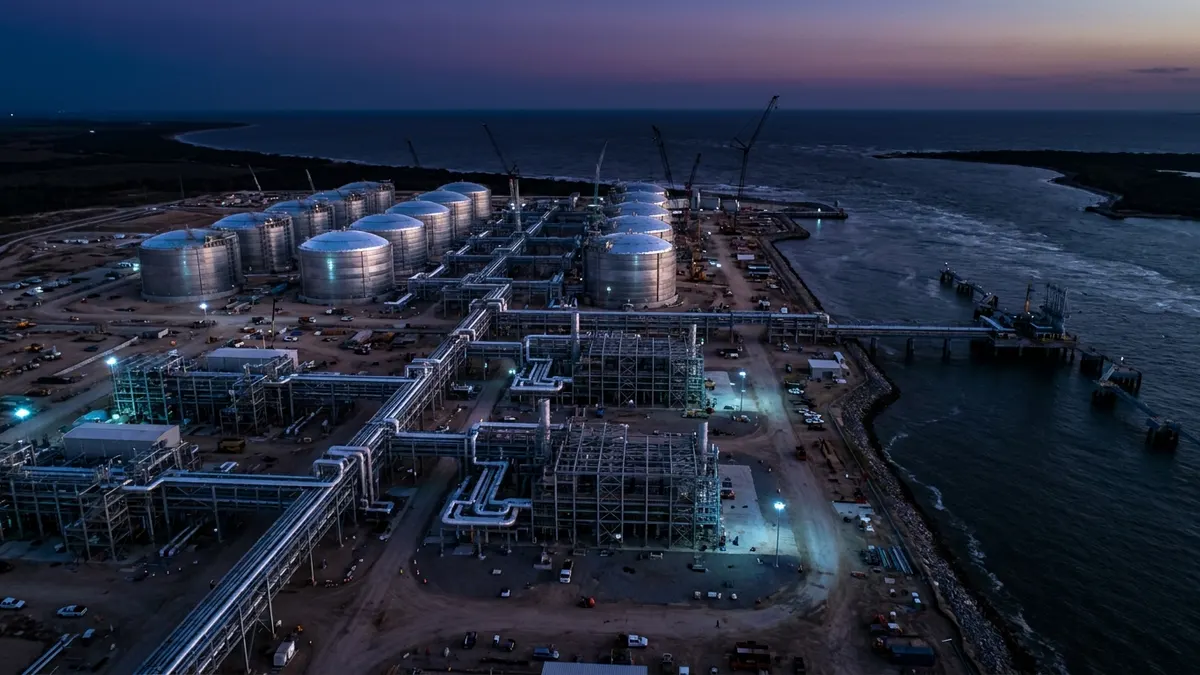
A new wave of US LNG export capacity is nearing startup, with Natural Gas Intelligence reporting that projects now under construction are set to add nearly 8 Bcf/d of capacity between 2027 and the first half of 2028.
Market Impact
Natural Gas Intelligence’s data show roughly 7.5 Bcf/d of new LNG capacity is due online in this next build cycle, with the Gillis-to-Katy corridor in Louisiana and Texas expected to see the most growth. Once these facilities ramp up, total US LNG export capacity is on track to exceed 30 Bcf/d, according to the outlet. The report ties the buildout to a roster of major projects including CP2 LNG, Commonwealth LNG, Corpus Christi Stage 3, Delfin LNG, Energia Costa Azul, Golden Pass LNG, Louisiana LNG, Port Arthur LNG, and Rio Grande LNG, involving developers such as Venture Global and Woodside Energy.
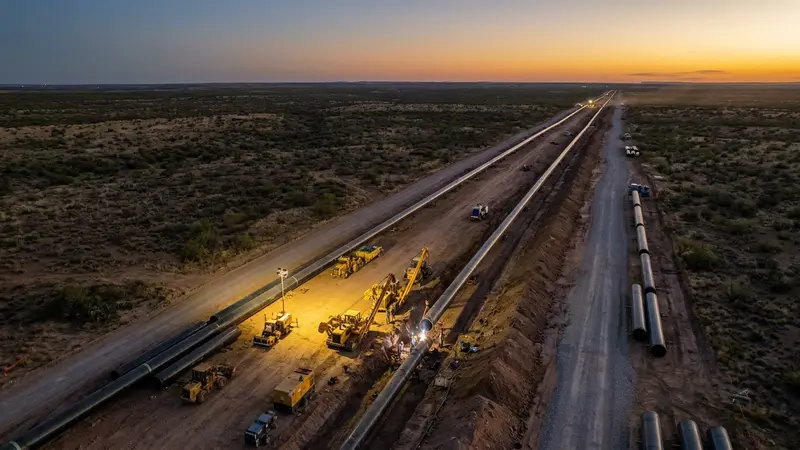
This next phase follows closely behind the current wave of terminals still ramping toward full output, meaning feedgas demand and associated pipeline and terminal work will stack on top of ongoing construction rather than following it. That overlap points to a sustained, multi-year buildout along the Gulf Coast rather than a short-term spike.
What It Means for Subcontractors
- Civil, mechanical, and E&I contractors should track hiring and subcontract packages tied to the Gillis-to-Katy corridor in Louisiana and Texas, identified as the area of heaviest capacity growth for 2027 through mid-2028.
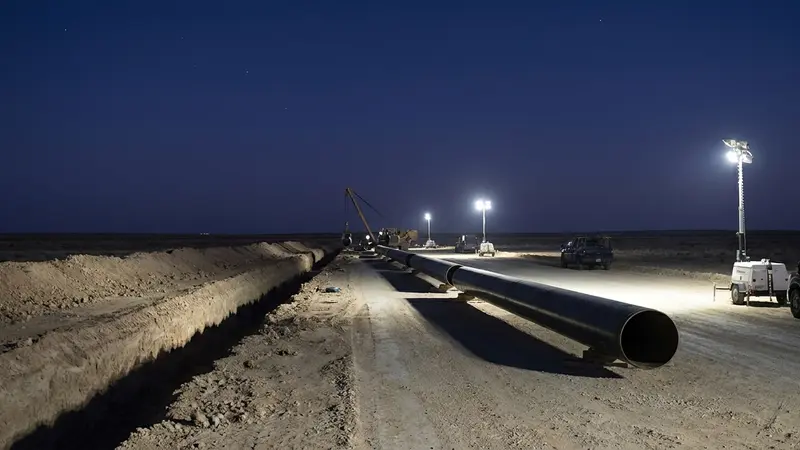
- Pipefitting, welding, and HDD crews should watch for feedgas pipeline scope tied to named projects including Golden Pass LNG, Port Arthur LNG, Rio Grande LNG, Corpus Christi Stage 3, and Louisiana LNG as these facilities move toward startup.
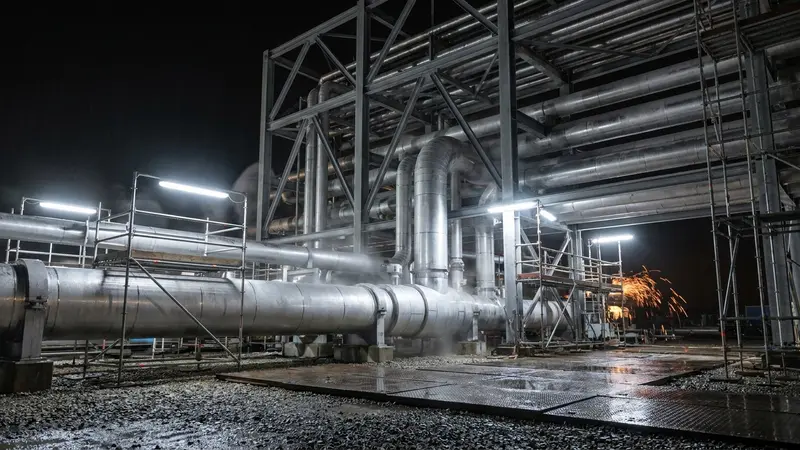
- Scaffolding, insulation, and instrumentation firms serving Venture Global and Woodside Energy sites should position now, since the reported 7.5 Bcf/d of new capacity arriving by early 2028 signals a sustained commissioning and startup workload rather than a one-time push.
- Field service companies bidding turnaround and commissioning work should plan for overlapping schedules, since this new wave comes online while the prior generation of Gulf Coast LNG terminals is still ramping toward full feedgas demand.