Canadian Rig Counts Climb Above Five-Year Seasonal Highs on Oil and Gas Strength
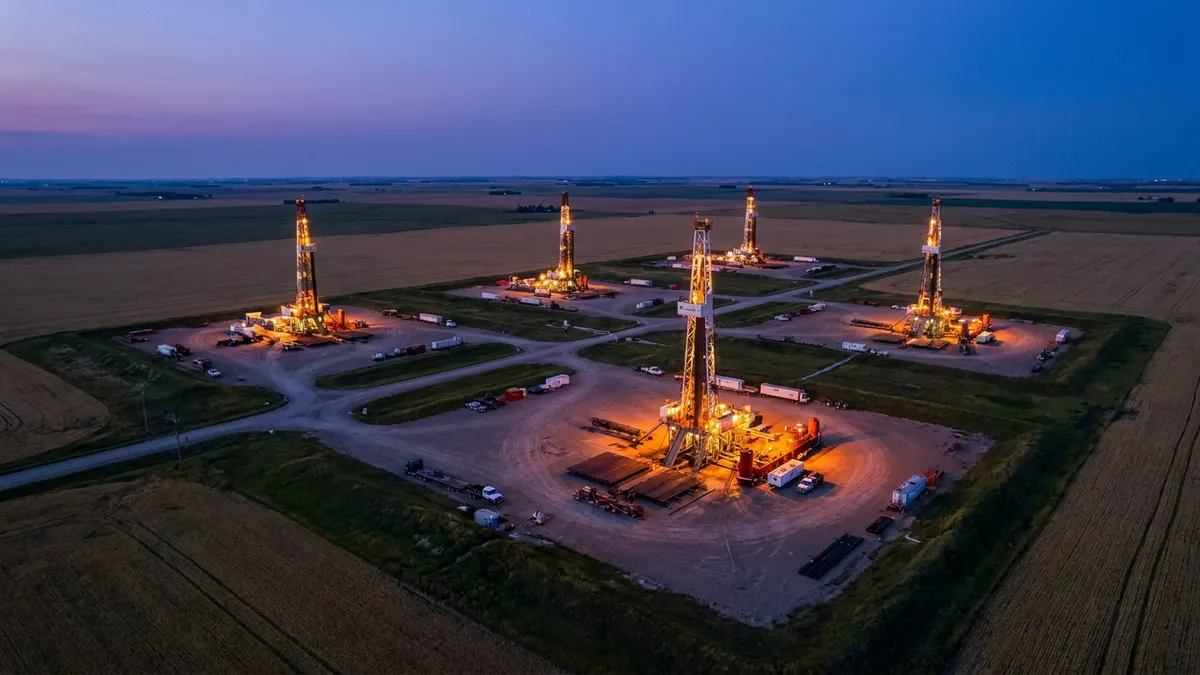
According to data from the Canadian Association of Oilwell Drilling Contractors (CAOEC) published by the BOE Report, Canadian active drilling rigs reached 191 as of June 12, 2026, surpassing the prior five-year seasonal high of 170 set in June 2024. Oil rigs total 129 and gas rigs total 57, with both categories running above every comparable week recorded between 2021 and 2025.
Year-Over-Year Context
| Year | Active Rigs (mid-June) | Oil Rigs | Gas Rigs |
|---|---|---|---|
| 2021 | 110 | 63 | 44 |
| 2022 | 157 | 102 | 50 |
| 2023 | 169 | 110 | 52 |
| 2024 | 170 | 113 | 54 |
| 2025 | 148 | 87 | 54 |
| 2026 | 191 | 129 | 57 |
The 2026 total of 191 active rigs sits 26.7 percent above the five-year average of roughly 151 for the same week, and 12.4 percent above the prior peak of 170. Alberta accounts for 137 of the active rigs, with Saskatchewan at 35 and BC at 14.
Subcontractor Implications
Above-average rig activity in mid-June is notable because it extends past the typical spring shoulder season. Canadian drilling historically compresses into late winter and early spring on frozen ground, then slows through breakup. Rig counts running this far above seasonal norms through mid-June indicate operators are running summer drilling programs at an unusual pace, likely driven by tight natural gas pricing, LNG Canada Phase 1 ramp-up demand, and restored producer confidence following Alberta’s pipeline expansion commitments.
What It Means for Subcontractors
- Oilfield services firms in Alberta and BC should expect tight rig crew availability through July, given that 191 active rigs represent the highest mid-June count in at least five years.
- Gas-directed drilling at 57 rigs reflects upstream investment in Montney and Deep Basin supply for LNG Canada, opening additional workover, completion, and gathering line scope for BC and Alberta-based contractors.
- Supply chain tightness is probable across drilling fluids, casing, and wellhead equipment at these activity levels. Field service companies providing procurement or logistics support should price lead times accordingly.
- Above-seasonal drilling also extends the hiring window for rig-adjacent trades. Directional drillers, MWD hands, and completion crews typically experience their tightest labor markets during extended summer campaigns like this one.