Canadian Heavy Crude Flows Shift South Through the Rockies, Creating Pipeline Activity Along the Way
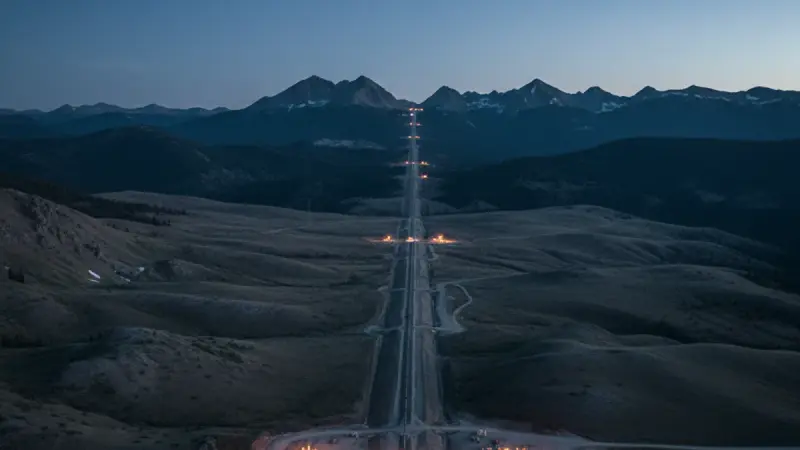
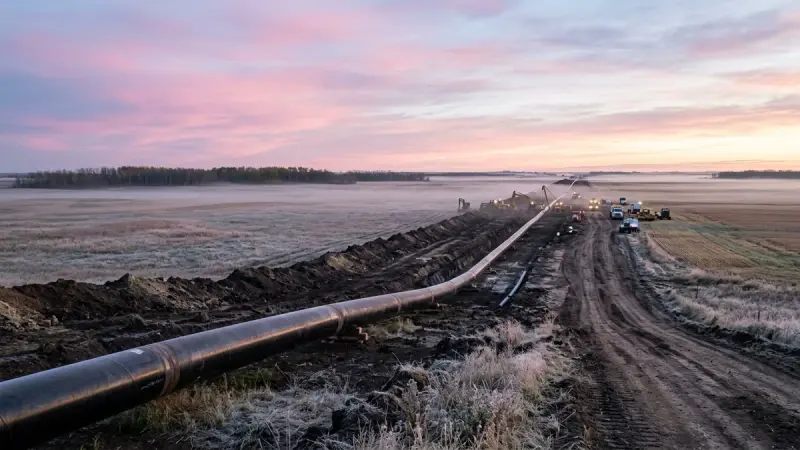
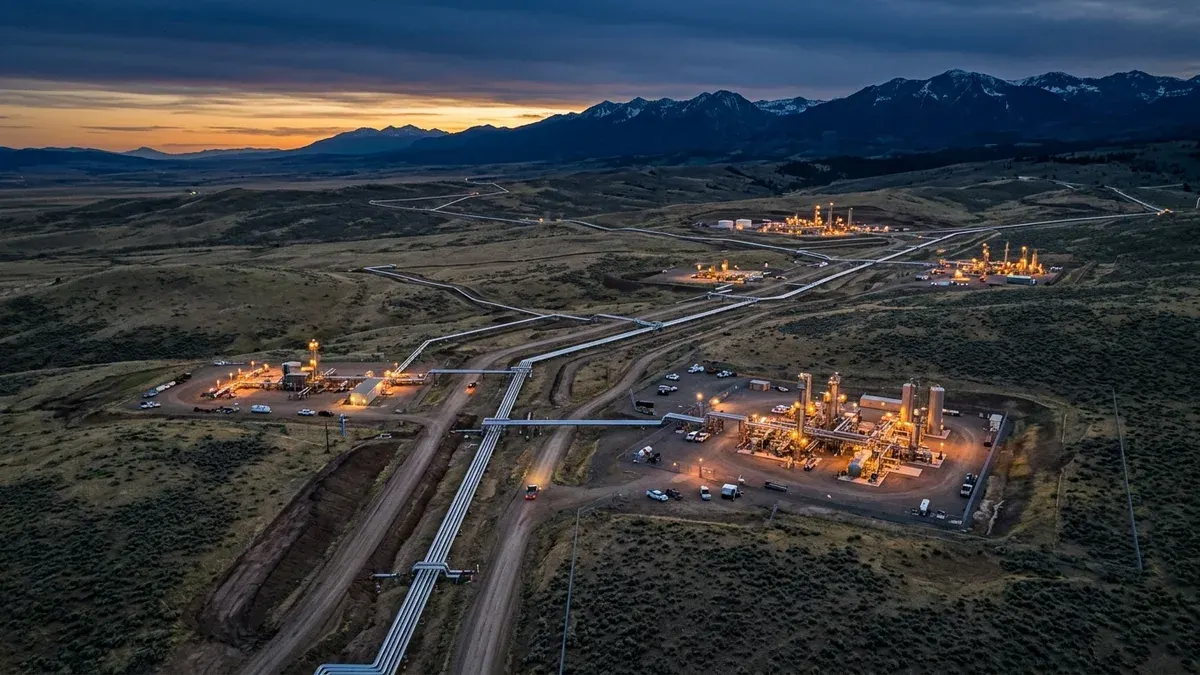
According to RBN Energy, Canadian heavy crude is increasingly routing southward through Rocky Mountain pipeline corridors rather than taking more traditional paths to market, a shift that carries real implications for midstream infrastructure activity across Colorado, Wyoming, and New Mexico.
The movement reflects ongoing adjustments in how Canadian barrels reach US Gulf Coast refineries, particularly as pipeline capacity and differentials continue to shape where and how crude flows across North America.
Background
Canadian oil sands production has grown steadily over the past decade, and getting that heavy crude to market has always been a logistical puzzle. The Gulf Coast remains the primary destination because its refineries are specifically configured to process heavy sour grades, including the diluted bitumen that comes out of Alberta.
For years, the main corridors ran east through the Great Lakes region or west to the Pacific. But the Rockies route, running south through the interior of the continent, has grown in strategic importance. Pipelines like the Flanagan South and Cushing-to-Port Arthur segments connect the Canadian supply chain to the Gulf, and lateral infrastructure across Montana, Wyoming, and Colorado feeds into that broader network.
When Canadian production volumes rise or when differentials make certain routes more economical, shippers look for every available barrel of capacity. The Rockies corridor, long considered secondary, is absorbing more of that overflow. According to RBN Energy’s analysis, that trend appears to be accelerating.
Analysis
The significance here is not just about crude volumes. It is about what sustained throughput increases mean for the physical infrastructure along those routes.
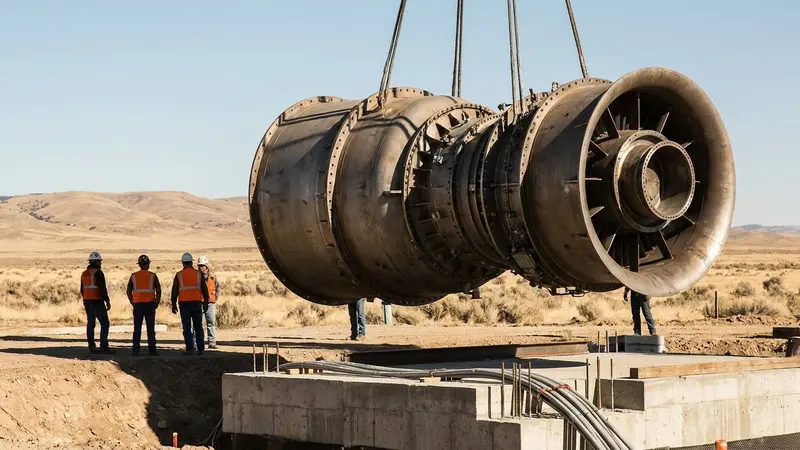
Pipeline systems running at higher utilization rates require more frequent inspection, more proactive integrity work, and more responsive maintenance contracts. Compressor stations, pump stations, and metering facilities all see increased wear when throughput climbs. Operators who are pushing more barrels through aging or mid-life infrastructure tend to accelerate their maintenance schedules, not defer them.
The Rockies are not the Permian. Pipeline density is lower, crews are more spread out, and logistics for mobilizing field teams can be complicated by terrain and weather. That means operators in this region lean harder on regional subcontractors who already have equipment staged and crews familiar with high-altitude, remote-site conditions.
There is also a regulatory dimension. The Pipeline and Hazardous Materials Safety Administration (PHMSA) has been tightening integrity management requirements in recent years, and operators running heavier volumes through their systems need to stay current on inline inspection cycles and anomaly remediation. Any uptick in throughput through the Rockies corridor will likely mean more ILI runs, more dig programs, and more coating and cathodic protection work over the next two to three years.
The broader market context matters too. Canadian heavy differentials, specifically the spread between Western Canadian Select and West Texas Intermediate, have been volatile. When that spread widens, Canadian producers and shippers scramble for the most cost-effective route to the Gulf. The Rockies path is not always the cheapest, but when other corridors are constrained or congested, it becomes the path of least resistance. Companies that understand this dynamic can anticipate when activity in this corridor is likely to spike and position their crews accordingly.
It is also worth noting that some of this rerouting is a downstream consequence of Trans Mountain Expansion coming online in Canada. As more Alberta barrels have access to tidewater and Pacific markets, the blending and trading dynamics shift, sometimes pushing certain grades toward the US interior rather than west. The ripple effects of major infrastructure openings take months or even years to fully work through the system.
What It Means for Subcontractors
- Pipeline integrity and inspection firms in Colorado, Wyoming, and Montana should expect increased demand for ILI support, hydrostatic testing, and anomaly digs as operators manage higher throughput through existing infrastructure.
- Pump station and compressor station maintenance contractors in the Rockies region should monitor operator maintenance schedules closely. Higher utilization means shorter intervals between planned outages and more reactive callouts.
- Coating, cathodic protection, and corrosion control specialists are well-positioned as heavy crude, which is more corrosive than lighter grades, moves through lines not always designed with dilbit in mind.
- Civil and site prep contractors should watch for potential expansion projects. If throughput demand sustains or grows, operators will evaluate capacity additions, new pump stations, or looping projects along key Rockies segments.
- Staffing and logistics companies that support remote Rockies operations should build out their regional bench now. When pipeline work ramps up in rugged terrain, operators pay a premium for crews who are already local and already mobilized.
- Canadian subcontractors with cross-border operations should understand that US-side activity on this corridor falls under PHMSA jurisdiction, not CER, and compliance documentation needs to reflect that distinction from day one.