Western Canada Active Rig Count Holds at 209 as Summer Drilling Season Peaks
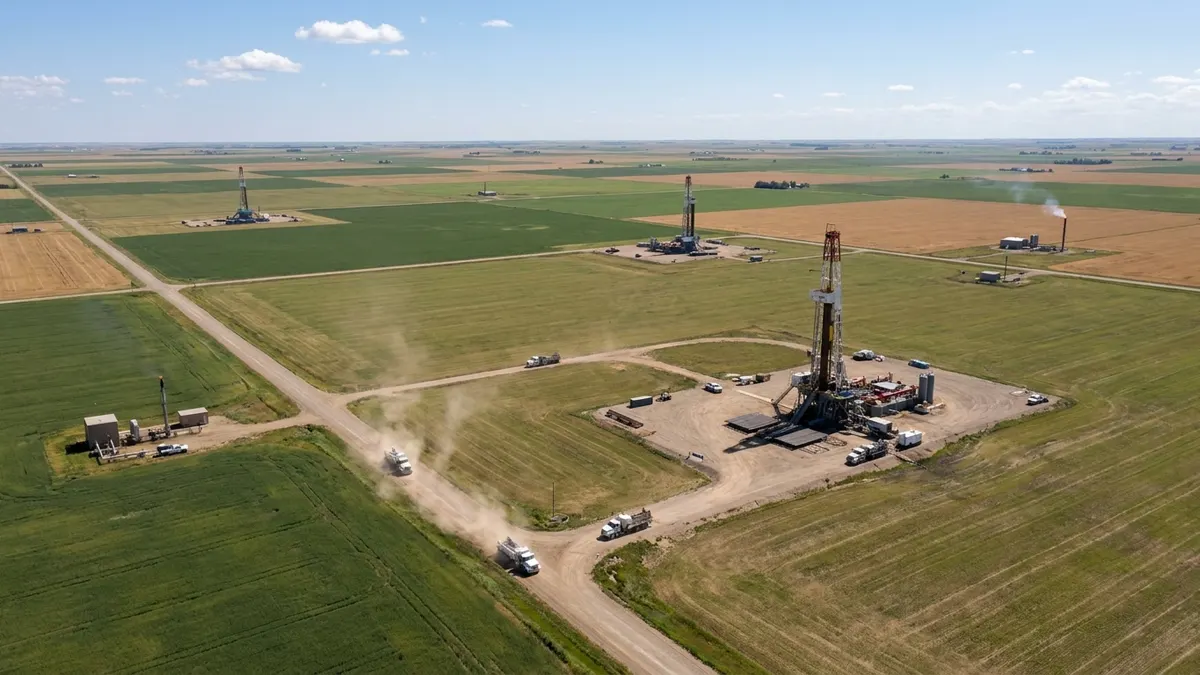
According to CAOEC data published by BOE Report, Western Canada’s active drilling rig count held at 209 through the week ending June 26, 2026, marking continued momentum in summer drilling activity that has run well above five-year seasonal averages for this period.
The week’s active count ranged from 208 to 211 rigs on a daily basis, with 209 recorded on June 26. The breakdown by product type shows oil-directed work leading at 146 active rigs, gas at 58 rigs, and 2 rigs targeting other products.
Provincial Breakdown
Alberta accounts for the majority of active drilling, with 150 rigs running as of June 26. Saskatchewan follows with 40 active rigs, and British Columbia records 14.
The WCSB-wide total rig fleet (drilling, moving, and standby combined) sits at 335 for the reporting period, indicating a healthy utilization rate for the active portion.
Context for Field Services
The sustained count above 200 active rigs represents a meaningful demand signal for the drilling services supply chain. Oil sands-adjacent work in Alberta, combined with conventional oil and gas development across the Alberta Montney and Cardium plays and Saskatchewan’s Bakken, Viking, and Lloydminster heavy oil plays, is driving the bulk of activity.
What It Means for Subcontractors
- A 209-rig active count sustains demand for drilling fluid services, wellsite construction, completions crews, and pipeline tie-in contractors across Alberta and Saskatchewan.
- The oil-to-gas ratio (146:58) reflects continued economics favoring oil-directed programs in the WCSB, consistent with the Montney oil window and conventional oil plays outperforming gas-weighted programs in current price environments.
- British Columbia’s 14 active rigs, predominantly gas-directed Montney work, remains modest but stable, a signal that LNG Canada’s Phase 1 ramp-up is absorbing production without dramatically increasing upstream drilling velocity yet.
- Contractors operating in Western Canada’s rig ecosystem should expect current volume levels to persist through July before the typical late-summer slowdown as freeze-up season approaches.