Trace Midstream Plans New Gas Processing Plant in Eddy County
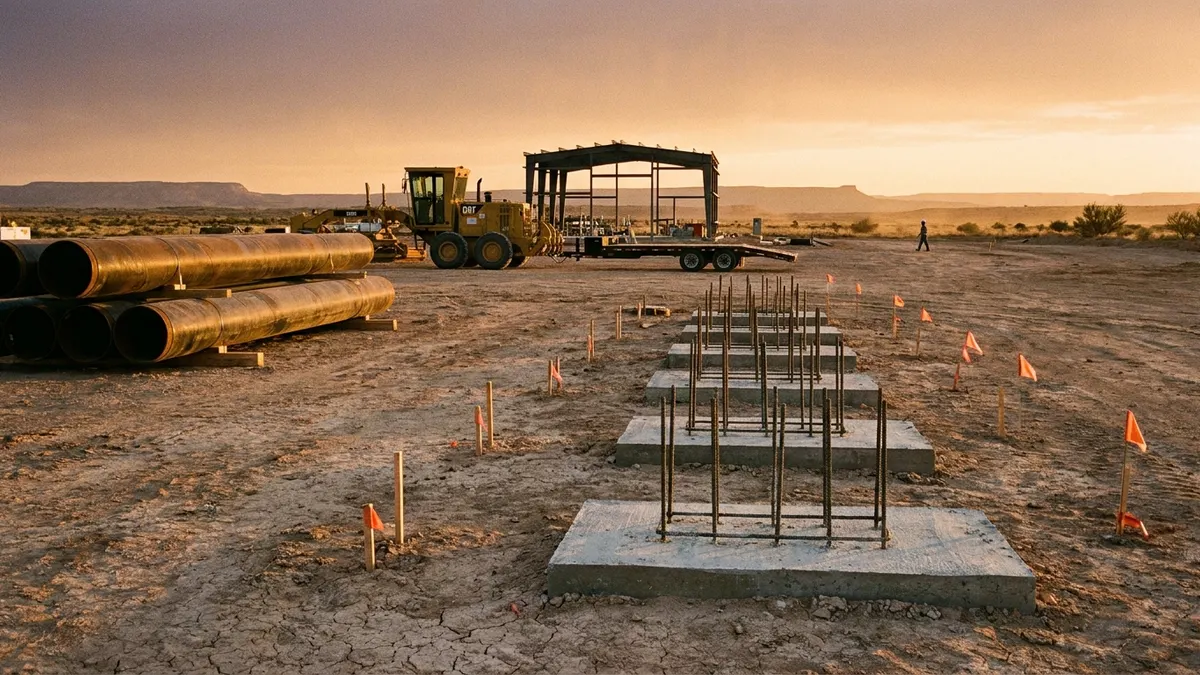
According to Permian Basin Oil and Gas Magazine, Houston-based Trace Midstream Partners will build Apollo, a natural gas processing facility in Eddy County, New Mexico, with capacity of 250 million cubic feet per day.
Market Impact
The project includes 36 miles of gathering pipelines and two new compressor stations, backed by long-term contracts from both new and existing customers. Josh Weber, CEO of Trace Midstream, said on June 24, “By adding processing to our existing gathering, compression and transportation infrastructure, we can offer producers a single, reliable solution for their natural gas. As activity continues to surge in the northern Delaware Basin, Trace remains committed to investing in the infrastructure required to support our customer’s growth.”
Once complete in late 2027, Trace will operate more than 200 miles of pipelines, 14 compressor stations and more than 125,000 horsepower of compression, a substantial buildout for a midstream operator serving the northern Delaware Basin.
What It Means for Subcontractors
- Pipeline construction crews and welders should watch for bid packages tied to the 36 miles of new gathering lines, a multi-year scope of work given the late 2027 completion target.
- Compressor station work, including foundation, electrical and mechanical installation, will need contractors experienced in compression package assembly and hookup for the two new stations.
- Companies specializing in horsepower-intensive compression equipment, maintenance and controls automation could see recurring service contracts once the facility and stations are operational.
- Civil and site prep contractors in Eddy County should position early, as processing plant construction typically requires grading, foundations and access road work ahead of equipment installation.
- Trucking and logistics providers may find opportunities hauling pipe, compressor components and construction materials to the site as the project ramps up through 2027.
- Local labor and safety training providers should anticipate demand tied to a multi-year construction schedule in the northern Delaware Basin.