Texas Upstream Adds 4,100 Jobs in May, Led by Oilfield Services Surge
According to World Oil, Texas’ upstream oil and gas sector added 4,100 jobs in May, bringing total upstream employment to approximately 197,500 positions, based on data from TIPRO, the Texas Independent Producers and Royalty Owners Association.
Market Impact
The May gain was driven almost entirely by the oilfield services sector, which added 4,400 jobs, while oil and natural gas extraction employment dipped by 300 positions. That split matters: it signals that operators are increasing field activity and leaning on service companies to execute it.
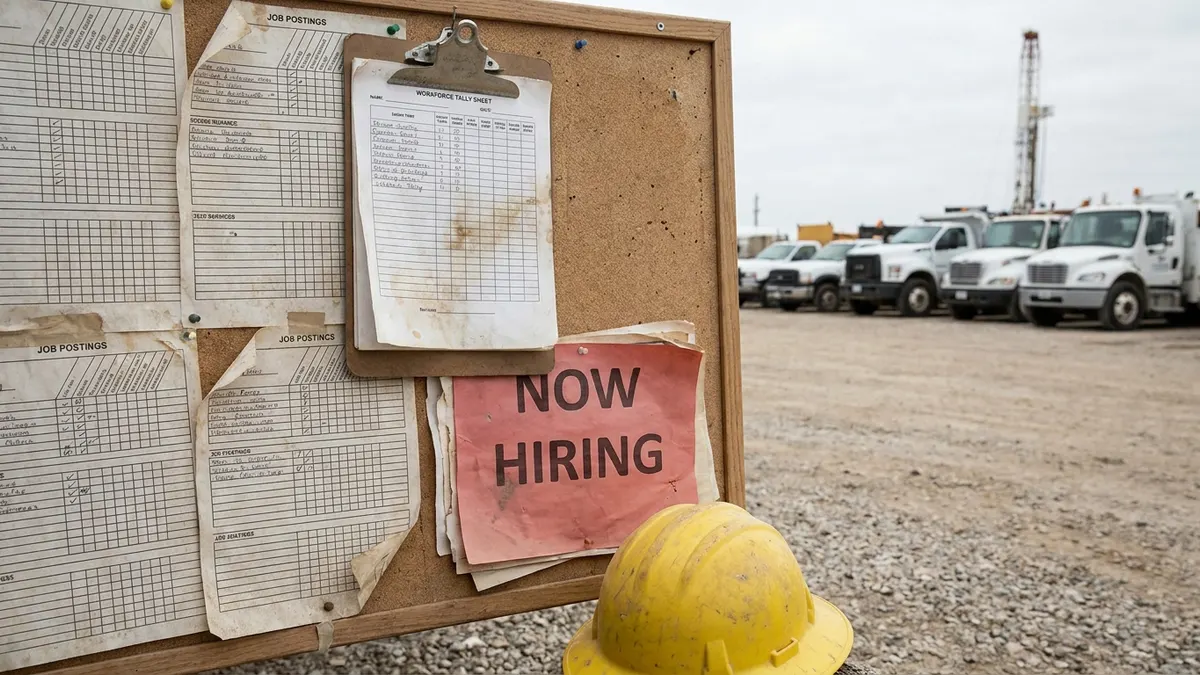
Hiring demand reinforced the employment numbers. Texas posted 10,409 unique oil and natural gas job listings in May, up 6% from April, with more than 4,200 new postings added during the month. Houston led all cities with 2,698 postings, followed by Midland, Odessa and Dallas. Support Activities for Oil and Gas Operations accounted for the largest share of job listings across the state.
On the revenue side, Texas oil producers paid $677 million in production taxes in May, more than $100 million above April collections and 64% higher than May 2025 levels, according to data from the Texas Comptroller’s Office cited by TIPRO. Natural gas producers added another $217 million in production taxes.
TIPRO president Ed Longanecker tied the activity to broader export demand: “Texas producers have maintained robust operational activity and delivered increasing volumes of crude oil and liquefied natural gas to domestic markets and key international allies.” The U.S. Energy Information Administration reported that U.S. crude oil and petroleum product net exports reached a record 5.8 MMbpd in April and remained near that level in May.
What It Means for Subcontractors
- Labor is tightening in the Permian Basin. Midland and Odessa both ranked among the top cities for job postings, signaling that competition for field crews and specialized workers in the Permian is intensifying. Subcontractors who delay hiring or crew expansion risk being priced out of the labor pool.
- Oilfield services demand is outpacing extraction hiring. The 4,400-job gain in services versus a 300-job drop in extraction tells you operators are outsourcing execution. That’s a direct opportunity for service companies, but it also means more competition for the same contracts and personnel.
- Pricing power may be shifting. A 6% month-over-month increase in job postings combined with rising production tax revenues suggests operators have budget and appetite to spend. Subcontractors renegotiating rates or bidding new work in Q3 should factor this demand signal into their pricing.
- Export-driven activity adds durability. TIPRO noted that disruptions surrounding the Strait of Hormuz have increased demand for U.S. energy exports. With EIA forecasting U.S. LNG exports rising to 16.4 Bcfd in 2026 and 18.1 Bcfd in 2027, the upstream activity driving this hiring surge has a longer-term demand story behind it, not just a short-term spike.