Texas Regulator Adds Satellite Monitoring for Permian Injection Wells
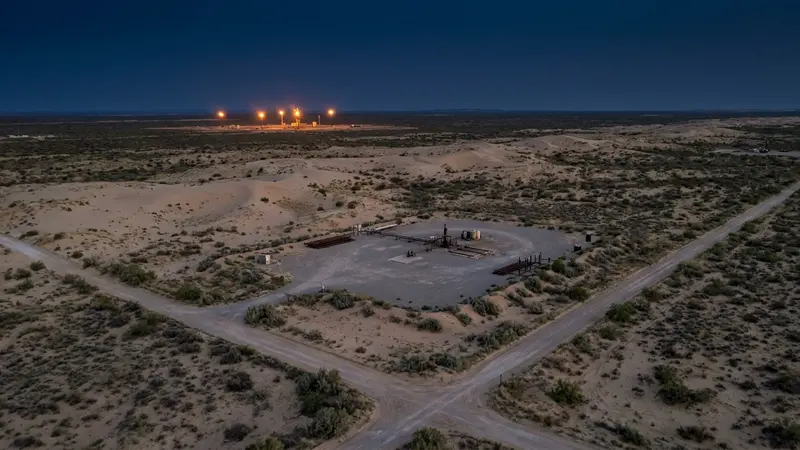
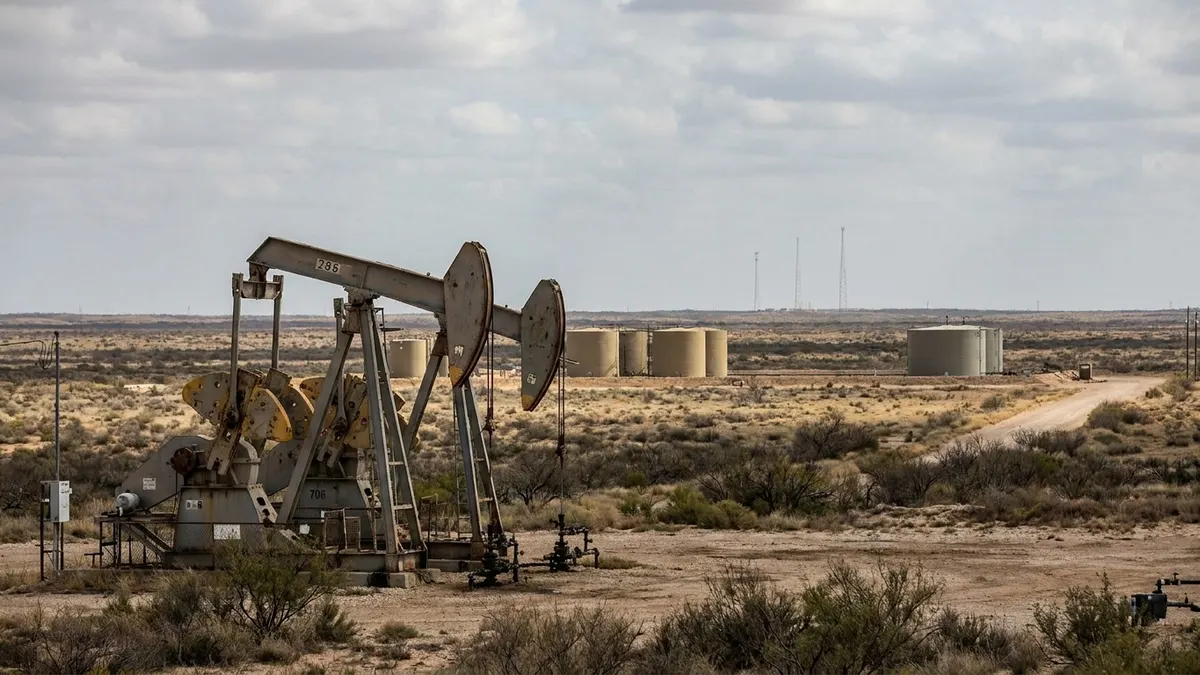
The Railroad Commission of Texas is adding satellite-based ground-motion monitoring to its Underground Injection Control program in the Permian basin, World Oil reports. The new capability comes through a partnership between B3 Insight and SatSense, which integrates SatSense’s interferometric synthetic aperture radar (InSAR) measurements with subsurface injection data on B3 Insight’s OilfieldH2O platform. The combined system lets regulators compare surface deformation against injection volumes, pressure, and geologic conditions in one place, with ground-motion data updated as new satellite passes are processed.
Kelly Bennett, CEO of B3 Insight, said the timing matters because “this is a critical time to ensure that all stakeholders have the tools they need to advance their understanding of injection risk.” The RRC will use the data to support permitting, monitoring, and long-term planning for injection operations across the basin. B3 Insight and SatSense had previously linked their datasets while working together through the Center for Injection and Seismicity Research.
What It Means for Subcontractors
- Operators and their disposal-well contractors in the Permian should expect closer RRC scrutiny of surface movement tied to injection volumes, meaning permit applications and pressure data will face more cross-checking before approval.
- Water hauling, SWD facility construction, and pipeline crews working injection sites should keep injection and pressure records audit-ready, since regulators can now flag anomalies through satellite deformation data rather than relying solely on operator-reported figures.
- Engineering and geotechnical subcontractors involved in seismicity studies or site planning may see new demand for services that interpret combined InSAR and subsurface datasets as operators respond to RRC’s expanded monitoring.