Permian Judge Rules Old Lease Agreements Control Horizontal Wells Drilled Across Legacy Boundaries
According to the Midland Reporter-Telegram, a judge has ruled that legacy oilfield agreements, some negotiated decades before horizontal drilling became standard practice, still govern the terms under which horizontal wells can be operated, even when those wells cross boundaries originally drawn for vertical development. The ruling carries significant implications for operators and the subcontractors who work on those wells throughout the Permian Basin.
Background
Horizontal drilling fundamentally changed the geometry of oil and gas development. A single wellbore drilled from a surface location in one section can now extend laterally through multiple legacy lease blocks, each potentially governed by contracts written when a vertical well was the only technology anyone imagined. Those old agreements defined rights, royalties, surface access, and operational terms based on a world that no longer exists in the Permian.
Courts across Texas and other producing states have wrestled for years with the question of how to apply those legacy contracts to modern horizontal wells. Operators have generally argued for interpretations that allow flexibility, while royalty owners and surface landowners have pushed back, insisting that the original contract language controls. According to the Midland Reporter-Telegram, this Permian Basin ruling comes down on the side of the original agreements, affirming that the deal struck when the lease was signed is the deal that stands, regardless of how drilling technology has evolved.
Texas courts have historically respected contract language as written, and this ruling appears consistent with that tradition. But the practical consequences reach far beyond royalty calculations. When legacy language governs a horizontal well, every aspect of operations tied to that contract, including surface access, equipment placement, and the definition of the leased premises, potentially reverts to terms that were never designed with horizontal development in mind.
Analysis
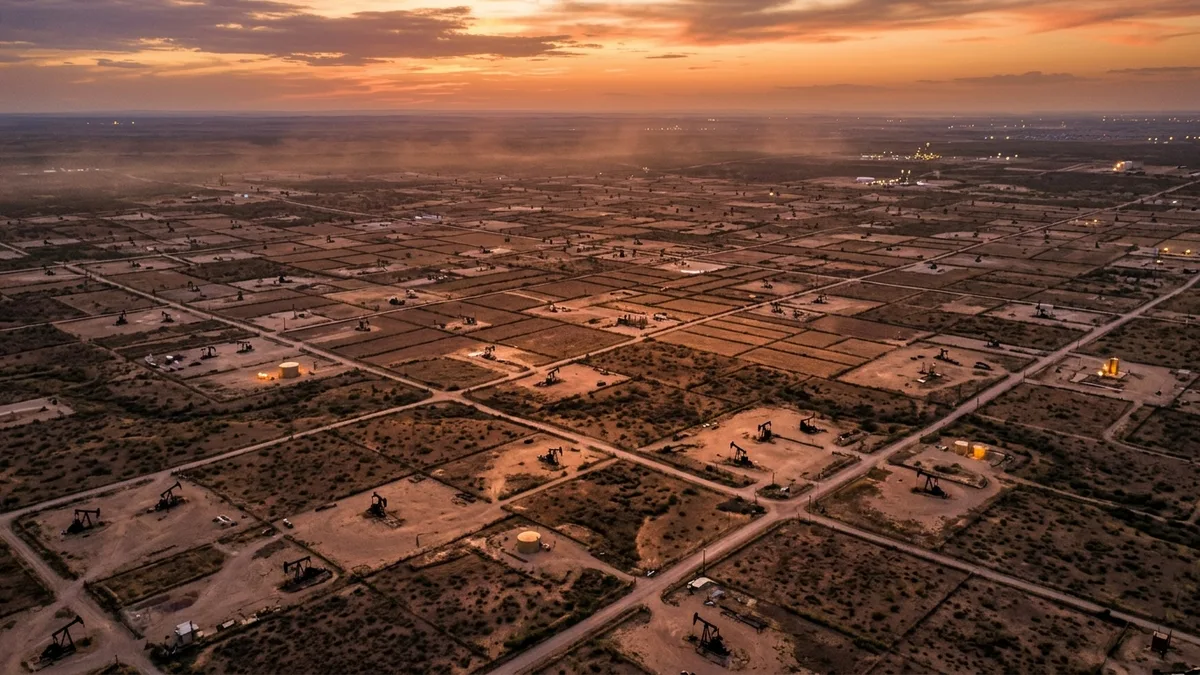
The core tension here is that horizontal wells are physically and commercially different animals from the vertical wells those old contracts anticipated. A vertical well occupies a defined surface footprint and drains a relatively compact subsurface area. A horizontal well might have a surface location on one tract, cross through five legacy lease boundaries, and land a heel and toe in entirely different contractual universes. When a judge says the legacy deal governs, the question immediately becomes: which legacy deal, and for which portion of the wellbore?
For operators, this ruling is a signal to audit their existing horizontal inventory for lease vintage and contract language before disputes arise. Wells drilled in the Permian over the past 15 years have frequently been permitted and constructed across acreage assembled from older leases, sometimes without fully reconciling what those original agreements actually allow. A ruling like this one can reopen settled operational assumptions overnight.
The subcontractor layer is where things get particularly complicated. A service company mobilizing to a wellsite operates on the assumption that the operator has clear surface access rights and that the contractual scope of the well is settled. If legacy agreements governing access were written for a vertical pad with a much smaller operational footprint, a modern horizontal well with a longer pad, additional equipment, and extended operational duration may exceed what those agreements actually authorize. That gap is not the subcontractor’s legal problem to solve, but it becomes a practical problem the moment a surface owner raises an objection mid-job or a contract dispute delays operations.
There is also a contract scope dimension for oilfield service agreements themselves. When the definition of the leased premises is contested, the scope of work tied to that premises can become ambiguous. Workovers, plug and abandonment work, and facility installations on wells governed by legacy leases may all be subject to challenge if the underlying access rights are narrower than the operator assumed.
What It Means for Subcontractors
-
Ask about lease vintage before mobilizing on Permian wells. If an operator is working a horizontal well that crosses legacy lease blocks, ask whether surface access rights have been confirmed for the full operational footprint. This is a reasonable pre-job question, not overreach.
-
Review your master service agreement language around “leased premises.” If your scope of work is defined by reference to the operator’s leased premises and that definition is legally contested, your contract scope may be ambiguous. Work with legal counsel to define scope by physical location and wellbore segment instead.
-
Document surface access conditions at job start. If a dispute later emerges over whether operations exceeded legacy access rights, contemporaneous records of where equipment was placed and what work was performed protect your company from being caught in the middle.
-
Watch for job stoppages tied to landowner disputes. On acreage with complex lease history, surface owner objections can halt operations without warning. Build contingency language into your contracts to address standby costs if work is suspended due to access disputes outside your control.
-
Stay informed on Texas court decisions affecting oilfield contracts. This ruling is likely to be appealed or followed by similar cases. Decisions coming out of Midland and other Permian-adjacent courts set the precedent environment your operators are navigating.