Summit Midstream Greenlights $100M Double E Pipeline Expansion in Delaware Basin
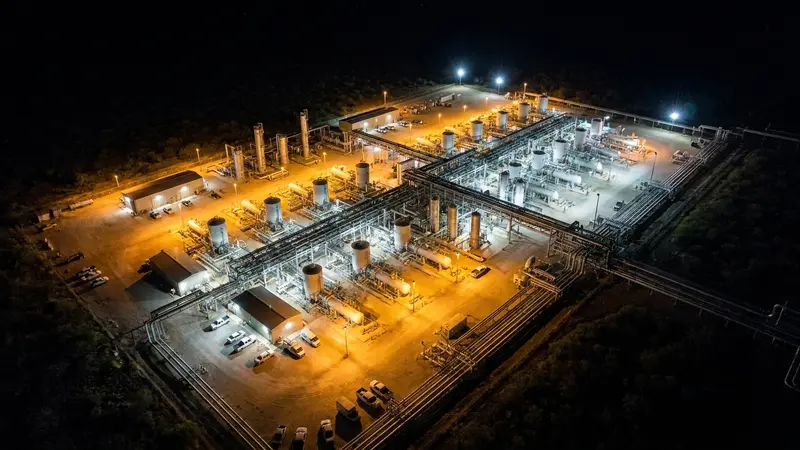
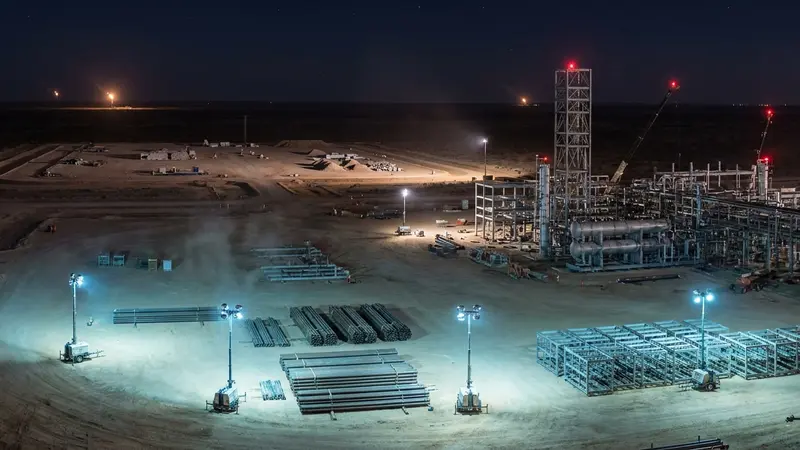
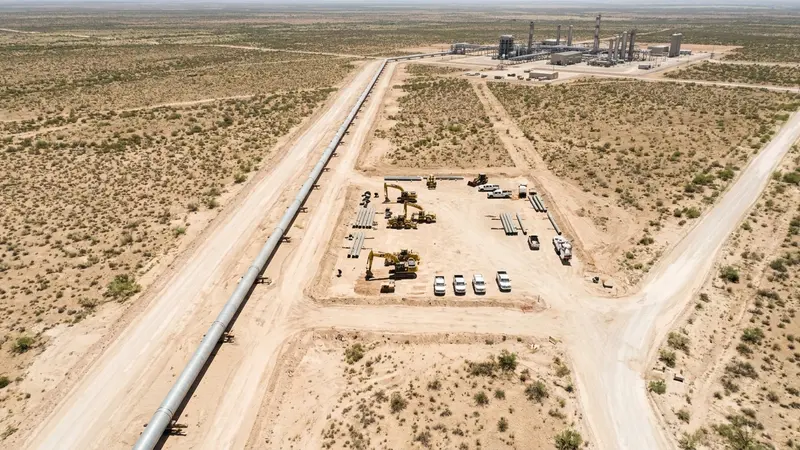
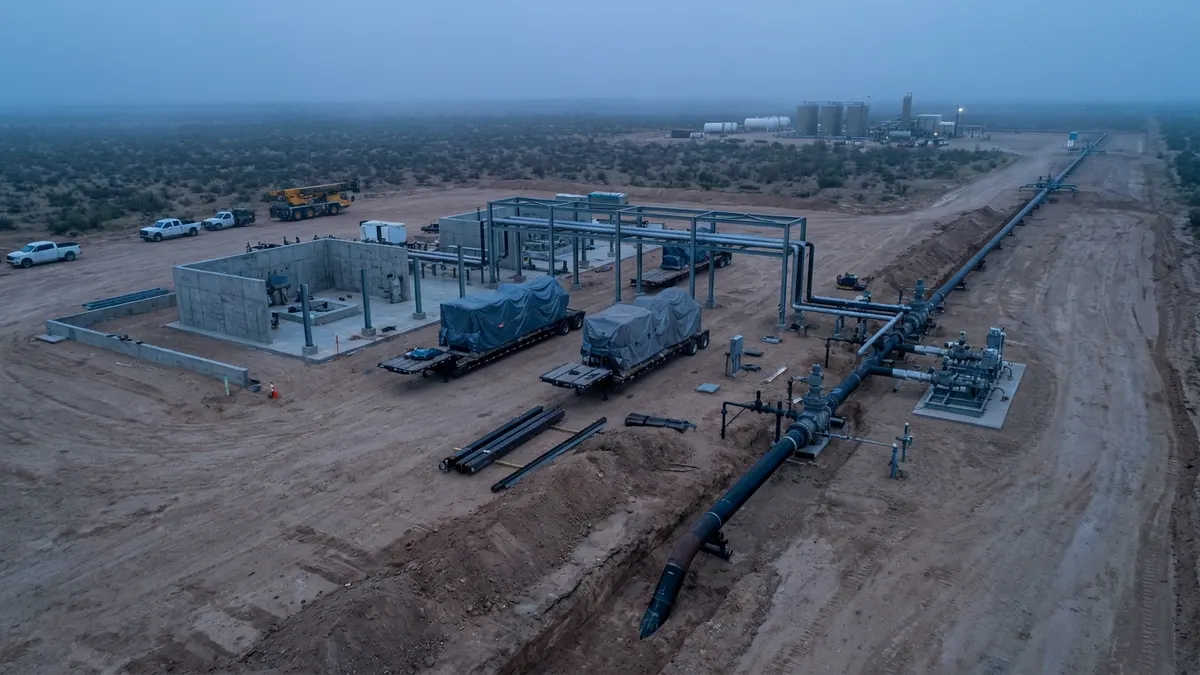
Summit Midstream has made a final investment decision to move forward with a $100 million mainline compression expansion of the Double E Pipeline in the Delaware Basin, Pipeline & Gas Journal reports.
Market Impact
The project follows a completed open season and a new long-term transportation agreement with an investment-grade shipper. The expansion will add a bi-directional mainline compressor station, increasing forward-haul capacity to the Waha Hub in Texas by roughly 900 mcf/d. Total contracted firm capacity on the pipeline has now climbed to approximately 2.2 billion cubic feet per day.
The newly signed take-or-pay agreement locks in firm transportation for 200 mcf/d, and combined with prior commitments, total binding long-term contracts from the open season now reach 550 mcf/d. Double E has been operational since November 2021 as a 135-mile FERC-regulated interstate transmission line moving gas from the Delaware Basin to delivery points near Waha, operated by Summit Midstream Permian II.
“Today’s announcement is a significant milestone for Summit and Double E and further demonstrates the importance of the pipeline to producers and processors in the Delaware Basin,” said Heath Deneke, president, CEO, and chairman of Summit Midstream. “The strong shipper interest we have seen through the open season reinforces the value of that position and our confidence in the long-term growth opportunity for Double E.”
Summit Midstream holds a 70% stake in the joint venture, with an ExxonMobil subsidiary owning the remaining 30%. To fund its share, Summit Permian Transmission converted a $50 million uncommitted accordion under its $440 million senior secured term facility into a committed facility, which matures in March 2031 and stays non-recourse to Summit Midstream. The joint venture has already ordered gas turbine compression units for the project, which is expected to enter service in the fourth quarter of 2028, pending FERC and other regulatory approvals.
What It Means for Subcontractors
- Compression and mechanical contractors in the Delaware Basin should watch for bid packages tied to installation of the new bi-directional mainline compressor station, since gas turbine units have already been ordered ahead of a Q4 2028 in-service date.
- E&I and civil contractors near the Waha Hub delivery corridor in Texas can expect scope tied to the 900 mcf/d capacity addition once FERC approval clears, a milestone worth checking on through Summit Midstream’s regulatory filings in the coming months.
- Pipefitting and gathering-line crews working Delaware Basin producers and processors may see downstream demand pick up as contracted capacity rises to 2.2 billion cubic feet per day, supporting more consistent volumes for shippers tied into Double E.
- Firms financing mobilization on this project should note the funding is already secured through a committed $50 million term facility maturing March 2031, reducing the risk of payment delays once construction packages go out.
- With a roughly two-year runway to the Q4 2028 target, subcontractors should position now for FERC approval timelines and reach out to Summit Midstream Permian II directly to get on prequalification lists before packages are released.