Data Center Power Demand Seen Outlasting Political Backlash, Says Ex-FERC Chief
Political blowback against data center buildouts is mounting, but it’s unlikely to stop the natural gas-fired power boom tied to artificial intelligence growth, Natural Gas Intelligence reports. Former Federal Energy Regulatory Commission Chairman Neil Chatterjee told the outlet that the 2026 midterm elections will serve as an early test of how much staying power that backlash actually has, though he doesn’t expect it to slow development over the long haul.
Background
Data centers have become one of the biggest new sources of power demand in the country, and much of that load growth is being met with natural gas generation, according to Natural Gas Intelligence. That growth has also triggered friction in communities and among ratepayers worried about grid strain, rising electricity costs, and land use, tensions that have started to spill into the political arena ahead of the midterms.
Chatterjee, who chaired FERC before returning to the private sector, characterized the current friction as “growing pains” rather than a structural threat to the buildout, Natural Gas Intelligence reports. He also told the outlet that a shift in federal policy that would meaningfully slow data center development is unlikely, even with the political noise surrounding the sector heading into the fall campaign season.
The publication’s own coverage lineup underscores that the tension is already playing out at the state level. Natural Gas Intelligence has separately reported that Texas grid regulators froze a 474 GW interconnection queue amid widening data center backlash, a sign that friction over grid access is becoming a real regulatory issue in at least one major market, not just a talking point.
Analysis
The core takeaway for the field services industry is durability. Political fights over data centers tend to focus on optics: who pays for new transmission, whether local rates rise, and whether new load jumps the interconnection line ahead of existing customers. Those are real fights, and the Texas queue freeze shows they can produce actual regulatory friction with teeth. But Chatterjee’s read, that federal policy is unlikely to reverse course and that the backlash is a “growing pain” rather than a dealbreaker, points to a market where the underlying demand driver, AI-fueled load growth, keeps moving even if individual projects get delayed or renegotiated.
That distinction matters for anyone building or maintaining gas-fired generation and the grid infrastructure that connects it. A political fight over a specific interconnection queue in Texas is a local, fixable problem: it can freeze new applications, force utilities to re-rank projects, or push developers toward markets with less friction. It is not the same as a national policy reversal that kills demand for new gas plants outright. Chatterjee’s comments suggest the latter scenario remains unlikely even as the former keeps happening in pockets around the country.
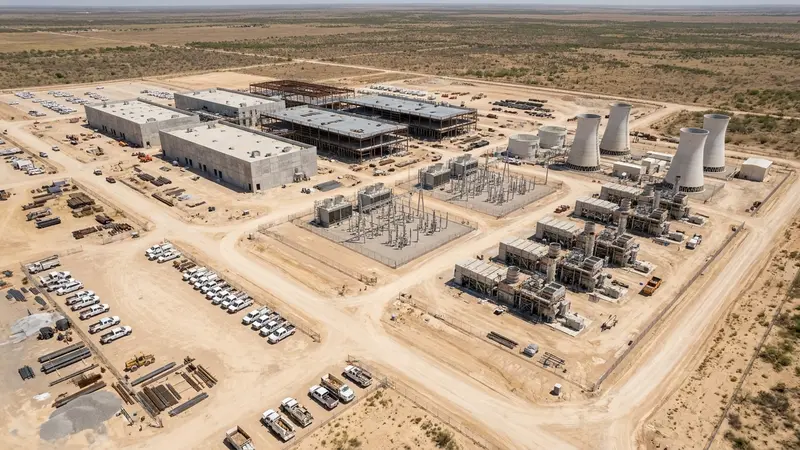
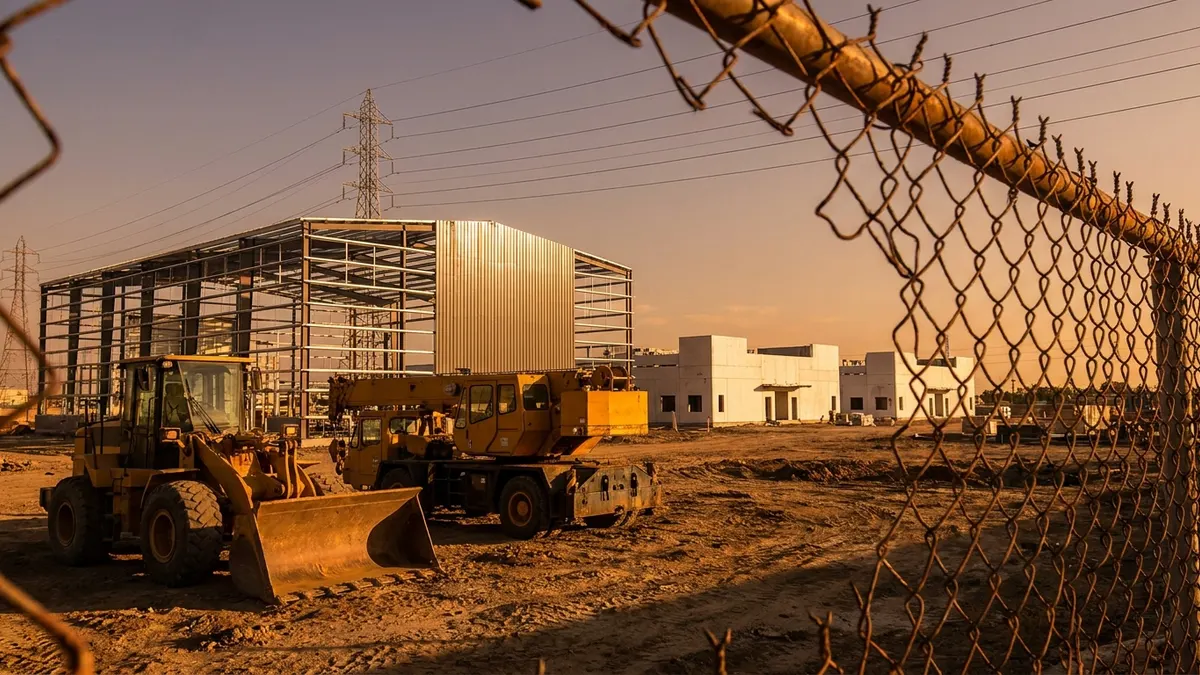
For subcontractors, this means the work pipeline tied to data center power, gas plant construction, switchyards, substations, and the transmission and distribution builds that connect new load to the grid, should keep moving even through a bruising midterm cycle. The risk isn’t that the work disappears. It’s that individual projects get rescheduled, re-scoped, or shifted to jurisdictions where interconnection queues are moving faster than in states like Texas that are actively hitting pause.
What It Means for Subcontractors
- Gas plant construction, E&I, and mechanical crews tied to data center power projects should expect the overall pipeline to hold, per Chatterjee’s comments to Natural Gas Intelligence that federal policy shifts are unlikely to derail long-term buildout.
- Grid, substation, and transmission subs working in Texas should track the frozen 474 GW interconnection queue reported by Natural Gas Intelligence. Confirm directly with ERCOT or the relevant utility whether specific project queue positions are affected before committing crews or scheduling mobilization.
- Firms with multi-state bidding flexibility may want to prioritize markets where interconnection queues remain open, since state-level friction (as seen in Texas) can move faster than any federal policy shift.
- Treat the 2026 midterms as a near-term signal event: watch state and local races tied to data center siting fights in your operating region, since local backlash, not federal policy, appears to be the more immediate source of project delay risk.
- Electrical contractors bidding data center-adjacent substation or switchgear packages should build schedule contingency into contracts for possible queue-related delays, rather than assuming smooth interconnection timelines through year-end.