Shrinking Labor Force Caps How Much Work Contractors Can Staff
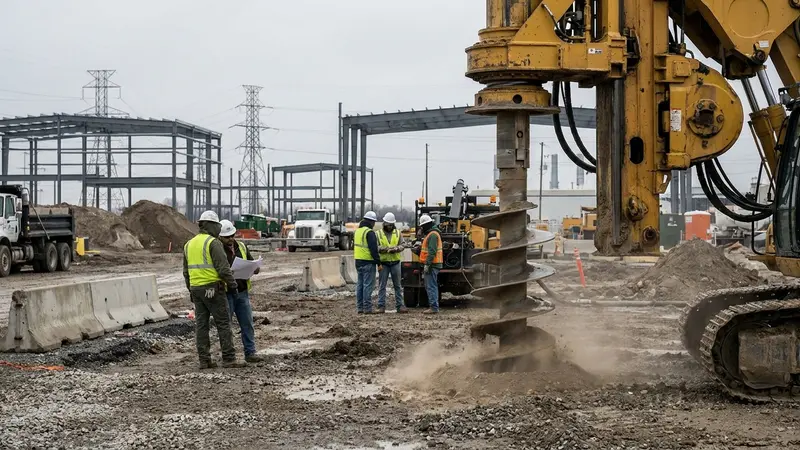
Labor capacity, not backlog, may now set the ceiling on how much work a contractor can take. In a column for Construction Executive, John Dorer cites an Indeed Hiring Lab analysis showing the U.S. labor force has shrunk by roughly 700,000 workers so far in 2026. If that holds, it would be only the fifth annual contraction since 1948 and the second outside a recession. Indeed ties the decline partly to an aging workforce and slowing immigration.
The column adds that Associated Builders and Contractors estimated construction needs about 349,000 more workers in 2026. Per the Associated General Contractors of America (AGC), 87% of firms have open hourly craft positions, and 42% have seen project delays tied to their own or subcontractor labor shortages. Data center, power and advanced manufacturing work is also pulling workers in some markets. Dorer is CEO of EB3.Work, a firm that sells immigration-based staffing, so read his EB-3 pitch with that in mind.
What It Means for Subcontractors
- Run the capacity math before the next bid. Divide remaining backlog dollars by field headcount to gauge load per employee, then compare required crew-hours against available crew-hours for each hard-to-fill role the column names: electricians, equipment operators and foremen. Illustration: $40M of backlog over 80 field employees is $500K each. Have the estimator and operations lead sign off before the bid is submitted.
- Expect GCs to probe your crews. With 42% of firms reporting delays tied to their own or subcontractor labor shortages, be ready to name crew counts and foremen at buyout.
- Use your own retention data. The source gives no trade-specific turnover figures, and, according to the column’s cited survey data, over eight in 10 firms have already raised base pay, so pay alone won’t separate you. Pull turnover by trade from payroll and map a laborer-to-foreman path. EB-3 sponsorship can take years, so raise it with immigration counsel this quarter if you have permanent gaps.