Austin Construction Market Hits $20.4 Billion as Skilled Labor Shortages Intensify
According to Engineering News-Record, construction starts in the Austin-Round Rock metro reached $20.4 billion in 2025, with Dodge Data & Analytics projecting that figure to climb to $21.8 billion in 2026, even as the region’s skilled trade labor pool struggles to keep pace.
A Market Stretched Across the Metro
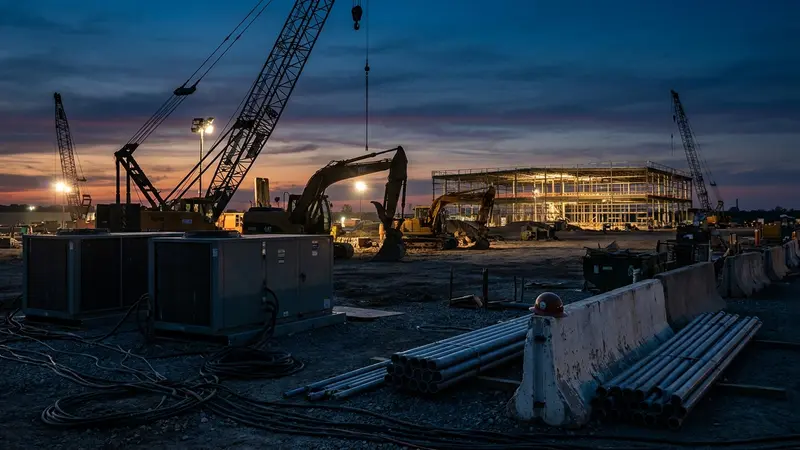
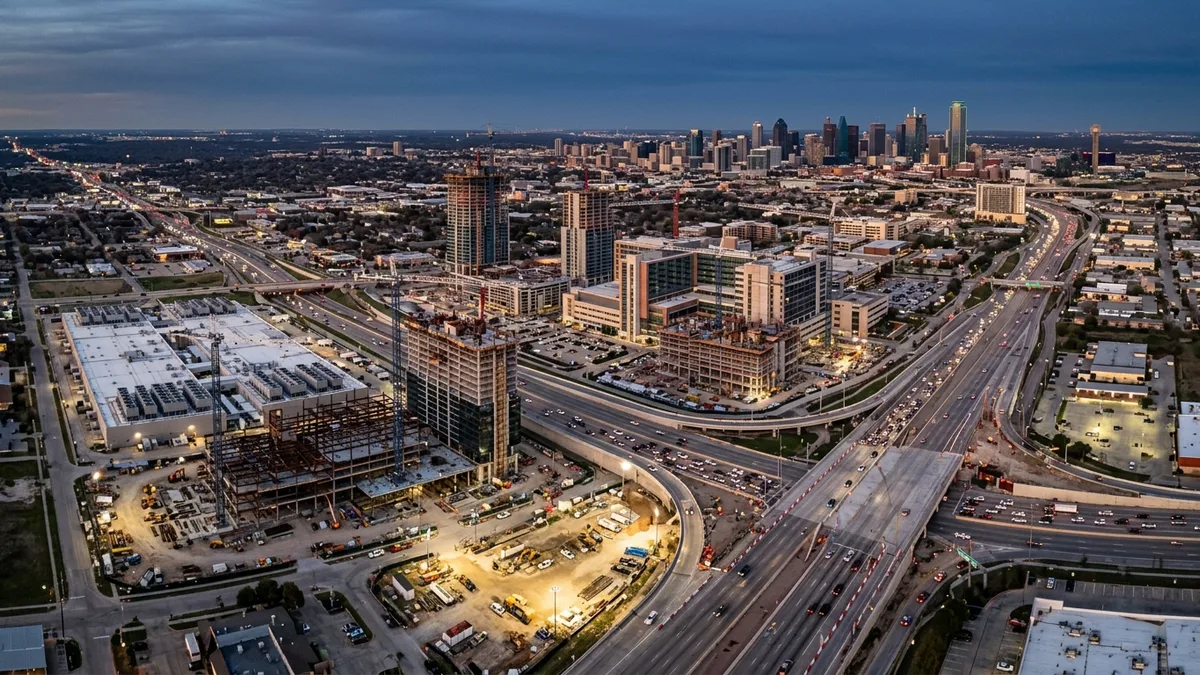
The volume isn’t concentrated in one place. Bryan Kent, DPR Construction’s Central Texas business unit leader, notes that megaprojects are no longer stacking up downtown alone. Capital programs like the Interstate-35 expansion, airport additions, a major Samsung industrial campus, and a University of Texas academic medical center in North Austin are pulling crews across the entire region simultaneously.
Data centers have added another layer of pressure. These facilities require massive power infrastructure and precision mechanical and electrical systems, and their compressed schedules leave little room for gaps in the trade supply chain. Institutional construction is also surging: healthcare facility starts jumped to $1.23 billion in 2025, more than double the $424 million recorded in 2024.
“The influx of megaprojects continues to strain the local market from a skilled-labor perspective, and general contractors are being continually challenged to innovate and adapt,” Kent told ENR.
What It Means for Subcontractors
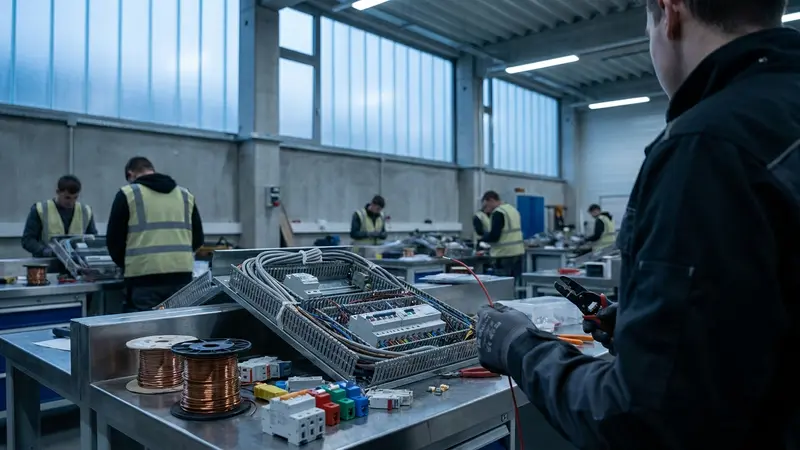
- Prefabrication is no longer optional. Kent says offsite manufacturing has shifted from a competitive advantage to standard practice on Central Texas projects. Subcontractors who can’t offer prefab capacity risk losing bids to those who can.
- Ironworkers, electricians, pipefitters, and concrete finishers are all competing for the same workers at the same time. If you operate in any of these trades in the Austin metro, expect continued pressure on wages and crew availability through at least 2026.
- Early preconstruction involvement matters more than ever. GCs like DPR are using virtual design and construction to sequence work before shovels hit the ground. Subs who can engage early and coordinate digitally will have a real scheduling edge.
- Healthcare and institutional sectors are where near-term volume is. With hospital starts more than doubling year-over-year, mechanical, electrical, and specialty trade contractors should be actively pursuing relationships with owners and GCs in that segment.
- The work is regional, not just downtown. Subcontractors limiting their geographic footprint to central Austin may be missing significant volume spreading into North Austin, the suburbs, and surrounding corridors.