Pennsylvania Data Center Rules Shift Infrastructure Costs to Developers
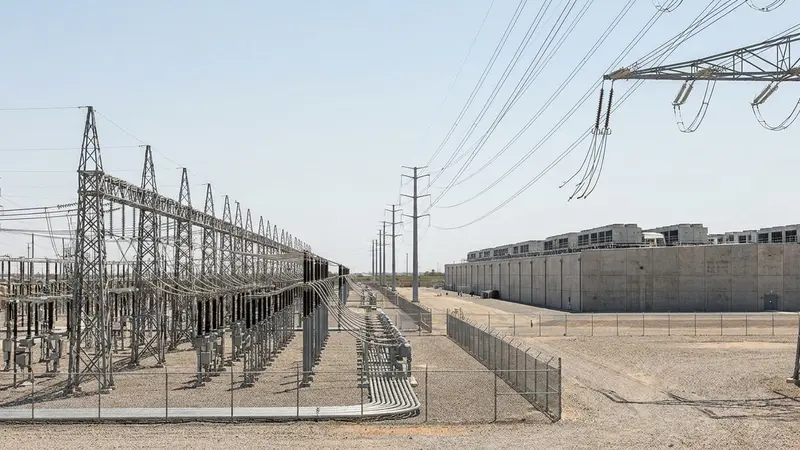
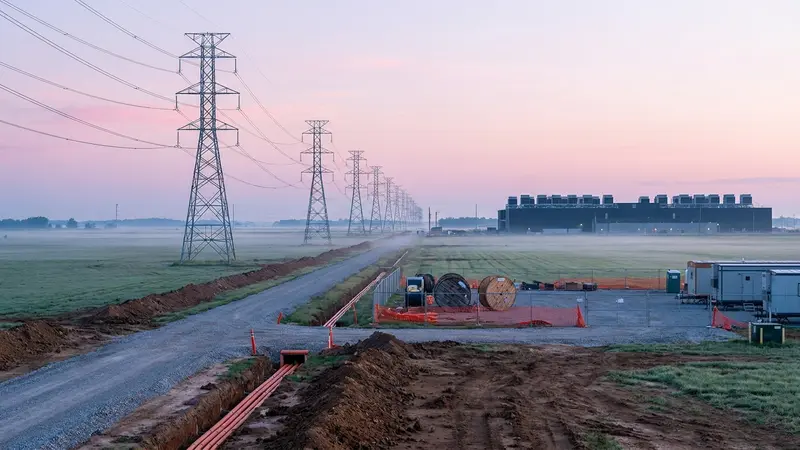
Pennsylvania Gov. Josh Shapiro signed an executive order last week requiring data center developers to cover new electricity infrastructure costs and clear stricter environmental and community review, Construction Dive reports, making the state the latest to ask who pays for the data center buildout.
Market Impact
The order incorporates Shapiro’s Governor’s Responsible Infrastructure Development (GRID) requirements into the Pennsylvania Department of Environmental Protection’s permit review for data center proposals. It also strips data center projects from the state’s Permit Fast Track program, which had streamlined permitting for high-impact economic development projects.
“The larger trend is that states are moving away from simply asking how they can attract data centers and are increasingly asking who pays for the infrastructure,” Trent Cotney, partner at law firm Adams & Reese, told Construction Dive. Pennsylvania joins New York, which enacted the first statewide moratorium on data center construction permits in July, and Texas, which ordered an audit of all data centers in the ERCOT interconnection queue. As of July 1, lawmakers in 15 states had considered outright bans on data center construction, according to the National Conference of State Legislatures.
The DEP reports more than 100 proposed data centers over the past year, per the governor’s office. Of those, 58 have engaged with the agency on permitting, 15 have applied for at least one DEP permit, and only five have received all permits needed for the first phase of development. The new process applies to applications submitted after Aug. 18 and doesn’t cancel existing permits, according to Cotney. Developers that commit to GRID requirements get rolling DEP review; those that decline must secure local approvals first and lose access to that faster track.
What It Means for Subcontractors
- Electrical and utility-infrastructure subs bidding Pennsylvania data center packages should expect developers, not ratepayers, to carry new grid-connection costs under GRID, which could reshape project financing and timing before construction contracts are finalized.
- Civil, environmental and site-work subcontractors on projects that haven’t yet applied for DEP permits (applications after Aug. 18) face a longer front-end review tied to water conservation and environmental standards, potentially pushing mobilization dates.
- Community benefit agreements and local hiring commitments under GRID may require subs to document local labor sourcing; firms should track whether specific projects have made a “binding commitment” to GRID, since that status determines whether rolling permitting applies.
- Speculative, early-stage projects are the most exposed to delay or cancellation, per attorney Jeff Moerdler; subs should distinguish between shovel-ready Pennsylvania campuses, which should see little disruption, and pre-permit projects where developers may shift sites entirely.
- Expect increased soft-cost work, including engineering and consulting tied to navigating the new permitting path, which may create near-term opportunity for E&I and environmental consulting firms even as hard-cost schedules slip.