OSHA Orders Railroad to Pay Back Wages After Worker Suspended for Reporting Safety Incident
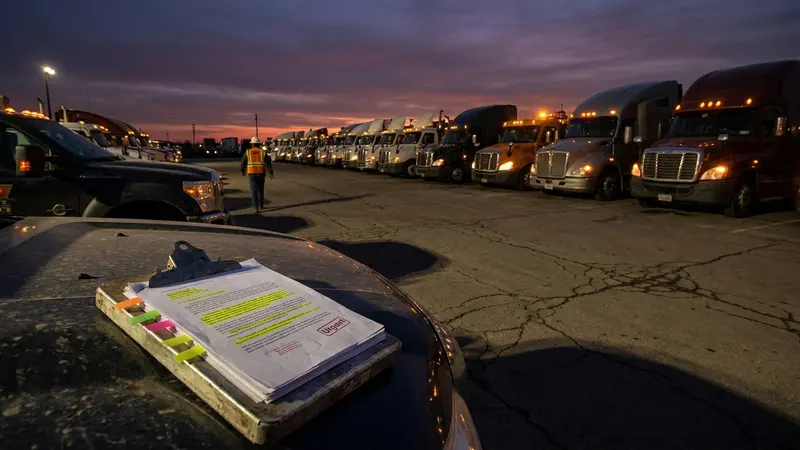
According to ISHN, OSHA has ordered Canadian Pacific Kansas City Ltd. (CPKC) to rescind a 20-day unpaid suspension, pay back wages plus interest, and issue compensatory and punitive damages after the railroad retaliated against a Kansas City-based employee for reporting a train collision and related safety concerns to the Federal Railroad Administration.
What Happened
The employee, who serves as a union chairman, learned from a co-worker about a minor collision at CPKC’s Knoche Yard on August 11, 2024. Though not present at the incident, which caused minimal damage and no injuries, the employee reported the collision to the FRA two days later, as required by law. OSHA’s investigation found that CPKC management was already aware of the incident through radio traffic and internal rumors, yet took no investigative action until the employee’s report triggered a federal inspection.
In September 2024, the employee represented fellow workers at a disciplinary hearing and disclosed that the incident had been reported. CPKC then turned its investigation on the reporting employee, charging them with a major rules violation for failing to notify management of a collision they did not witness. The 20-day suspension followed.
OSHA ordered CPKC to rescind the suspension, restore back wages with interest, expunge the violation from the employee’s personnel record, and pay both compensatory and punitive damages.
What It Means for Subcontractors
Field service companies operating in any safety-sensitive vertical, including oil and gas, construction, and infrastructure, face the same federal whistleblower exposure that CPKC now faces. Key takeaways:
- Retaliating against a worker who reports a safety incident to a federal regulator is a federal violation, regardless of whether that worker was directly involved in the incident.
- Charging an employee with an internal policy violation as cover for a retaliatory action does not insulate an employer from OSHA scrutiny. OSHA looks at motive and timing, not just paperwork.
- Union representatives who disclose safety reporting during disciplinary proceedings are protected. Subcontractors should ensure supervisors and HR staff understand that this activity cannot be used as grounds for discipline.
- OSHA remedies go beyond reinstatement. Punitive damages, back pay with interest, and permanent record expungement all carry real financial and administrative costs.
- Document your safety reporting processes now. A clear, consistently applied protocol for incident reporting protects both workers and the company if a dispute ends up in front of a federal investigator.