Nova Scotia Opens Consultations on Onshore Gas Development After Decade-Long Fracking Ban
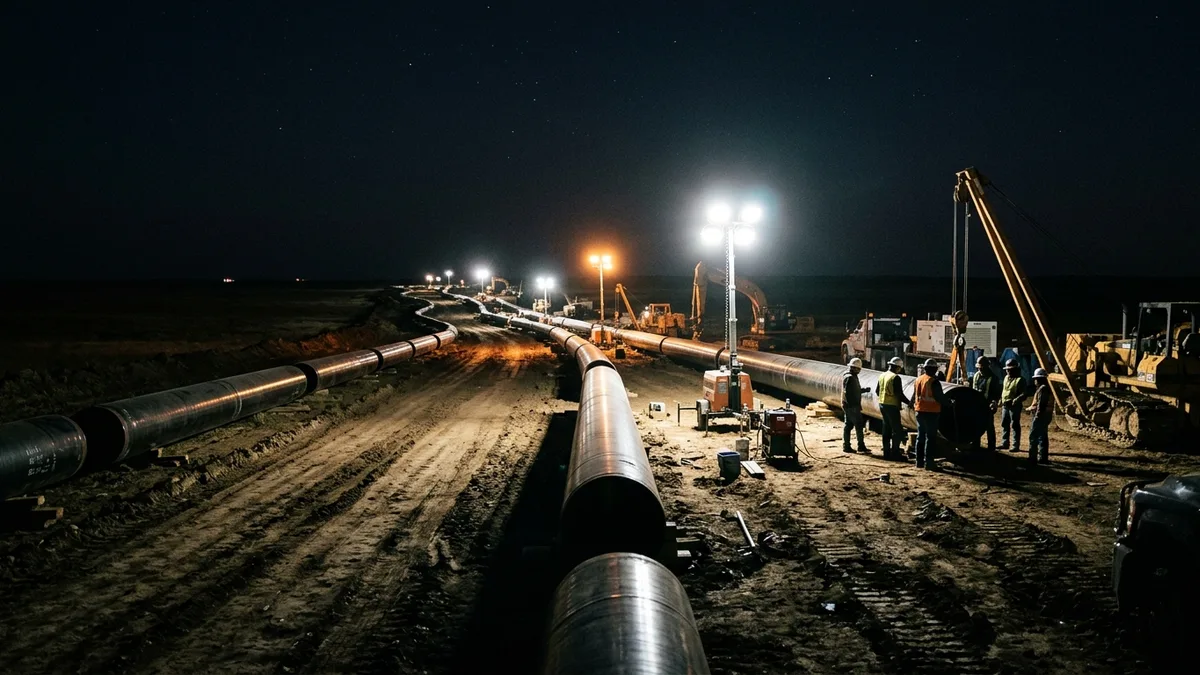
According to a Canadian Press report via Daily Commercial News, Nova Scotia has launched public consultations on its plan to allow onshore natural gas exploration, following the provincial government’s decision to lift a decade-long moratorium on hydraulic fracturing.
Exploration Licensing Expected This Summer
The province tapped Dalhousie University in December to administer a $30-million program that pairs university researchers with private sector companies to study Nova Scotia’s estimated 198 billion cubic meters of onshore natural gas reserves. Companies will receive financial incentives as they explore those reserves.
Premier Tim Houston’s Progressive Conservative government introduced legislation in February 2025 to lift the fracking ban, citing economic pressures. About 64% of Nova Scotia’s onshore reserves are shale gas, the type that typically requires hydraulic fracturing to extract in commercial quantities. Another 20% is coal bed methane, with the remainder conventional natural gas.
Public meetings are underway in select communities, written submissions are accepted online through the end of May, and if the timeline holds, the first exploratory wells could be drilled this summer. Currently, about 12% of the energy Nova Scotia uses comes from natural gas, most of it imported via pipeline from the US with some sourced indirectly from Western Canada.
What It Means for Subcontractors
- Drilling and completions work could begin as early as this summer. Field service companies with hydraulic fracturing, wellsite construction, and fluid management capabilities should be watching Nova Scotia’s exploration licensing process closely.
- The $30-million program includes private sector participation. Companies involved in the study phase could be well-positioned when commercial development decisions follow, making early engagement worth the effort.
- Atlantic Canada is largely uncharted territory for many western-based contractors. Firms operating in the Permian or the Bakken that want a foothold should assess mobilization costs, provincial contractor registration requirements, and local labor requirements now, before the first exploration licenses are awarded. Canadian work also carries different insurance thresholds and HSE documentation standards than US operations.
- Environmental scrutiny will be high. Subcontractors should expect rigorous compliance requirements tied to air, water, and seismic impact concerns and prepare documentation accordingly.