MTA Opens Final Bid Round for $6.97B Second Avenue Subway Extension
Construction Dive reports that the Metropolitan Transportation Authority has issued a request for qualifications for the fourth and final contract on its $6.97 billion Second Avenue Subway Phase 2 extension, marking the last major procurement window on one of the largest transit builds in New York City history.
Background
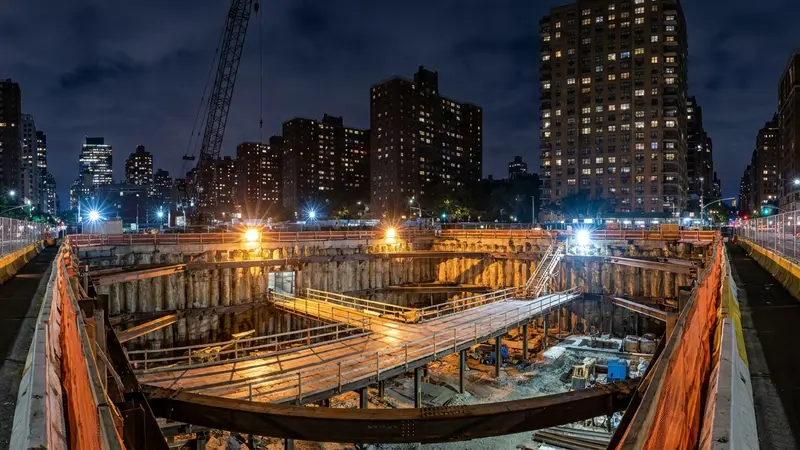
The RFQ, announced in a Monday release from Governor Kathy Hochul’s office, covers the final piece of a four-contract program to extend the Q line into East Harlem with three new stations at 106th, 116th and 125th streets. According to the MTA, this last package is the largest of the four and includes architectural finishes, entrance canopies, station platforms, six ancillary buildings, track and traction power installation, and communications and train control systems.
MTA plans to issue a request for proposals to qualified respondents by the end of 2026 and select a contractor by mid-2027, with construction starting that year and substantial completion targeted for fall 2032, per the release.
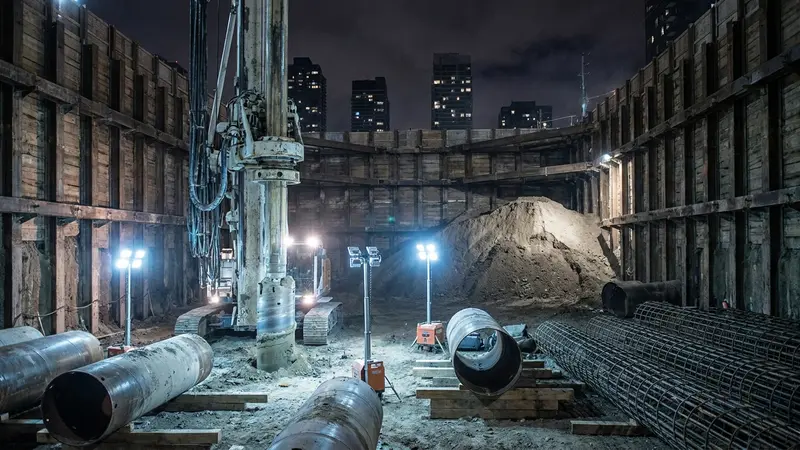
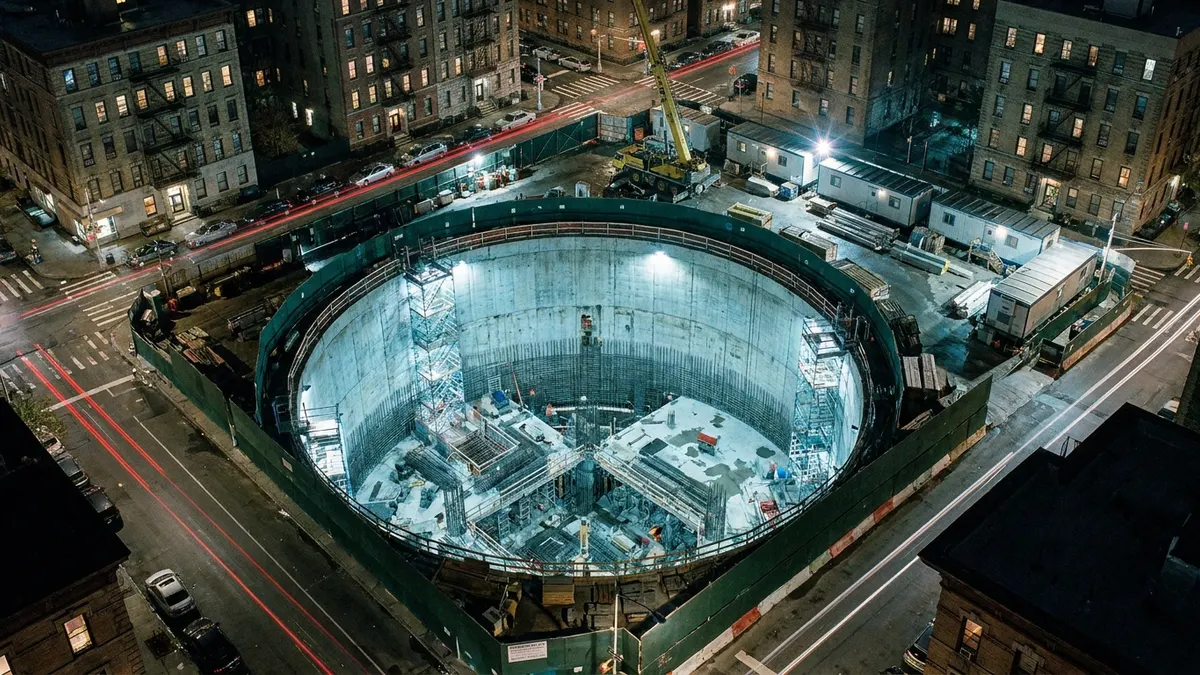
The first three contracts are already underway. C.A.C. Industries, based in New York City, is handling utility relocation at the future 106th Street Station and is about 60% complete, with finish targeted for summer 2027. Connect Plus Partners, a joint venture of Halmar International and FCC Construction, is more than 50% through final design on tunnel and shaft work, targeting substantial completion in September 2029. A joint venture of Skanska, Traylor Bros and Walsh Construction is handling excavation and structural shell work at 106th Street, targeting substantial completion in the third quarter of 2030, according to Skanska and the MTA release.
MTA Chair and CEO Janno Lieber said the fourth RFQ “covers the architectural finishes and the communications and other systems in the stations, the things that riders directly experience.”
Analysis
This RFQ signals that the MTA’s largest transit expansion in decades is now moving into its final procurement phase, and the timeline laid out gives the subcontractor market a rare, multi-year runway to plan around. Unlike the first three contracts, which are dominated by heavy civil, tunneling and excavation work, this final package skews toward finishing trades and systems integration, which is a different bidder pool than the joint ventures that landed the earlier packages.
The staggered substantial completion dates across the four contracts, summer 2027, September 2029, third quarter 2030 and fall 2032, mean this project will generate subcontracting demand in overlapping waves rather than a single bid cycle. Firms that missed out on the tunneling and structural shell packages now have a defined entry point tied to interior buildout and systems work, which typically involves a broader and more fragmented subcontractor base than heavy civil.
The scale of the final contract, described by the MTA as the largest of the four, suggests the eventual general contractor will need deep benches of electrical, mechanical, and low-voltage systems subs given the scope includes traction power, train control and communications systems across three stations plus six ancillary buildings. Ground-floor retail and community space mentioned in the release also points to interior fit-out and finish work beyond typical transit scopes, which could open doors for commercial build-out trades not usually associated with subway contracts.
Given the mid-2027 contractor selection target, the real window for subcontractors to influence subcontract packages runs through the RFP process expected to launch by the end of 2026. Firms that wait until a general contractor is named risk being locked out of early scope negotiations.
What It Means for Subcontractors
- Electrical and systems integration firms should prepare qualification packages now. The final contract includes traction power, communications and train control systems across three East Harlem stations, work directly tied to this fourth RFQ.
- Finishing trades (architectural finishes, interior fit-out, retail build-out) should watch for subcontract packages once a general contractor is selected in mid-2027, since the release specifically flags entrance canopies, platforms and ground-floor retail/community space as scope items.
- Firms with MTA or NYC transit experience should target the RFQ-to-RFP window: MTA plans to issue the RFP by the end of 2026 and pick a contractor by mid-2027, giving qualified firms roughly a year to position for subcontract negotiations before construction starts in 2027.
- Utility relocation and civil subs looking for near-term work should note the first three contracts are still active, with C.A.C. Industries’ utility relocation work at 106th Street about 60% complete and targeted for summer 2027 completion, meaning punch-list and closeout subcontracting opportunities may open there sooner.
- Joint venture partners and structural subs eyeing later-stage transit work should track the Connect Plus Partners and Skanska/Traylor Bros/Walsh JV contracts, which run through September 2029 and Q3 2030 respectively, for potential tunnel rehabilitation and structural shell subcontracting needs.
- Companies without prior MTA prequalification should start that process immediately given the multi-year lead time before the fall 2032 completion target, since prequalification is typically a prerequisite before firms can even respond to the forthcoming RFP.