Grid Congestion Costs Signal Transmission Upgrade Wave for Electrical Contractors
Transmission bottlenecks cost the PJM Interconnection power market $777.8 million in June alone, following a record $1 billion congestion tab in May, according to a Reuters column by Gavin Maguire published via BOE Report.
Market Impact
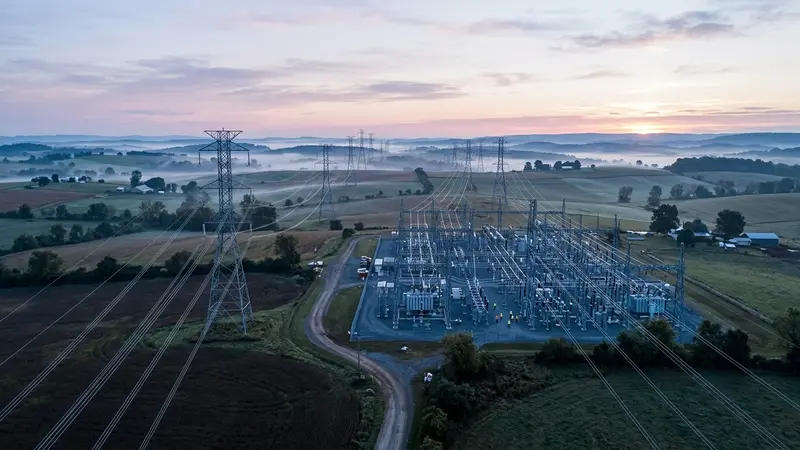
PJM, the largest U.S. power market spanning 13 states, saw nearly $1.8 billion in combined congestion costs over just those two months, per data from grid software firm Gridraven cited in the column. Congestion in June was concentrated in Pennsylvania, Maryland, Northern Virginia and New Jersey, regions where rising power demand from data centers is colliding with limited transmission capacity. Northern Virginia, described in the column as the epicenter of the U.S. data-center boom, illustrates the strain.
The column argues congestion works like a tax on economic growth, forcing grid operators to dispatch more expensive, closer-located generators instead of the cheapest available power when lines are overloaded. Those costs eventually flow into wholesale markets and customer bills, even though they never appear as a line-item charge. New high-voltage lines can take a decade or more to permit and build, while demand from data centers, manufacturing expansion, and electrification is accelerating far faster than transmission capacity can be added. Gridraven estimates that Dynamic Line Rating technology could have boosted available PJM transmission capacity by an average 13% in June, generating roughly $88.3 million in congestion savings, with the Graceton-Manor 230-kilovolt corridor alone potentially seeing nearly $36 million in reduced costs. Other firms mentioned in the column, including Linevision and Smart Wires, are pursuing similar approaches using sensors, digital twins, and hardware to squeeze more capacity out of existing lines.
What It Means for Subcontractors
- Electrical and transmission-line contractors in PJM territory, particularly Pennsylvania, Maryland, Northern Virginia and New Jersey, should prepare for utility-driven upgrade and reinforcement work as congestion costs climb.
- Firms with experience installing sensor-based monitoring systems or Dynamic Line Rating hardware should position for emerging contracts, since Gridraven’s analysis shows these technologies could unlock 13% more transmission capacity without new construction.
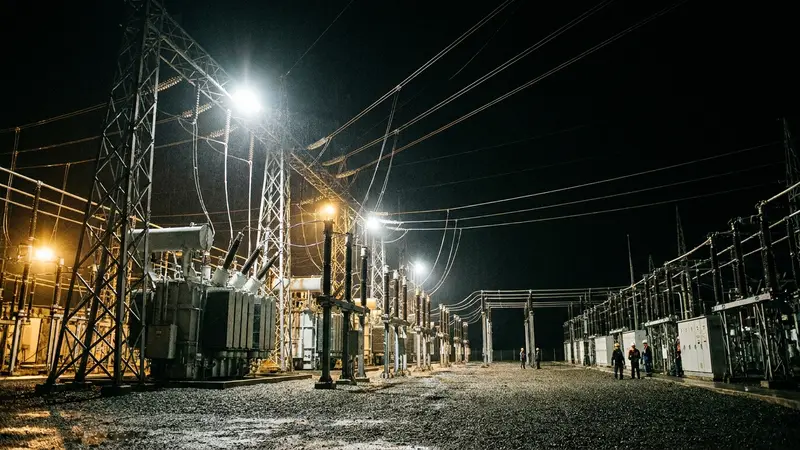
- Substation and E&I subcontractors serving data center corridors in Northern Virginia should track utility capital plans closely, as this region is named in the report as the epicenter of demand growth colliding with grid constraints.
- Companies working with vendors like Smart Wires or Linevision on grid-hardware retrofits should build relationships now, given the column’s emphasis on capacity-boosting technology as a faster alternative to decade-long transmission line permitting.
- Renewable energy contractors should note the report’s warning that wind and solar projects far from urban centers are especially exposed to congestion-driven revenue losses, which could affect the pace and location of future renewable buildouts.