Enbridge Sees Canadian Crude Re-Exports From Gulf Coast Doubling by Late Decade
According to Reuters, Enbridge’s head of crude oil pipelines told attendees at CERAWeek by S&P Global in Houston that Gulf Coast re-exports of Canadian heavy crude are expected to grow substantially over the coming decade, driven by approved and planned pipeline expansions.
Pipeline Capacity Additions Set the Stage
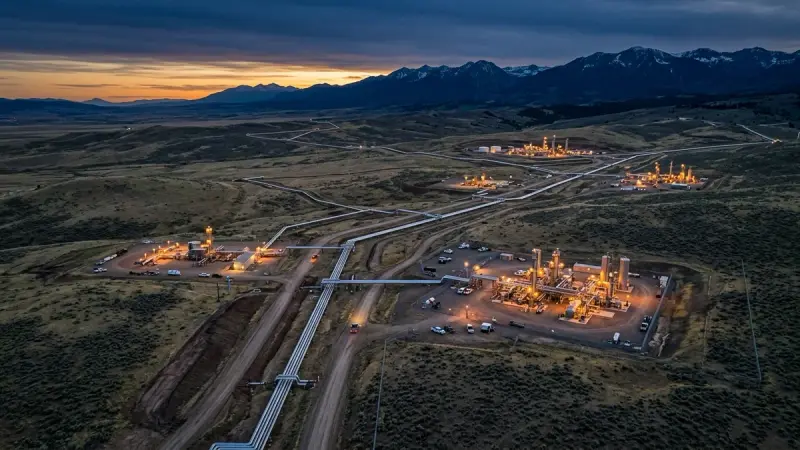
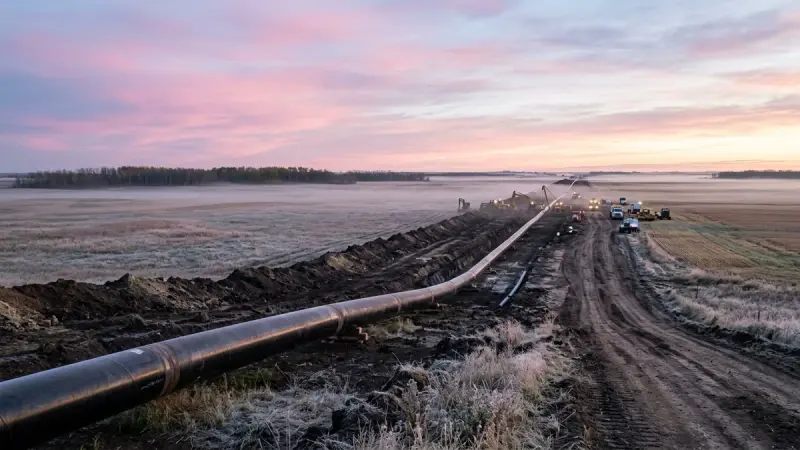
Colin Gruending, president of liquids pipelines for Enbridge, said between 200,000 and 400,000 barrels per day of Canadian crude is currently re-exported off the Gulf Coast, but that figure is expected to climb. The catalyst: Enbridge approved expansions to its Mainline and Flanagan South pipelines last fall, adding a combined 250,000 bpd of capacity for heavy oil moving from Canada to the U.S. Midwest and Gulf Coast. That additional capacity is expected online in 2027. A potential second phase, targeting 2028 service, could add another 250,000 bpd.
Gruending identified India and several African nations as likely buyers of re-exported Canadian barrels, giving Gulf Coast export terminals a more prominent role in global supply chains. Enbridge already moves roughly 30% of North America’s crude oil output through its network, and its own forecasts project Canadian production rising by 1 million bpd by 2035 from a 2025 baseline of 5.3 million bpd.
Competitor South Bow is also proposing to revive portions of the cancelled Keystone XL route with U.S. partner Bridger Pipeline, a project that would boost Canada’s current U.S. exports by more than 12% if it advances. Trans Mountain is separately pursuing enhancements that could add 360,000 bpd of capacity on the Alberta-to-Pacific-coast corridor.
What It Means for Subcontractors
- Pipeline construction and integrity work along the Mainline and Flanagan South corridors will ramp up ahead of the 2027 in-service date. Mechanical contractors, welders, and pipeline inspection firms should be positioning for bid opportunities now.
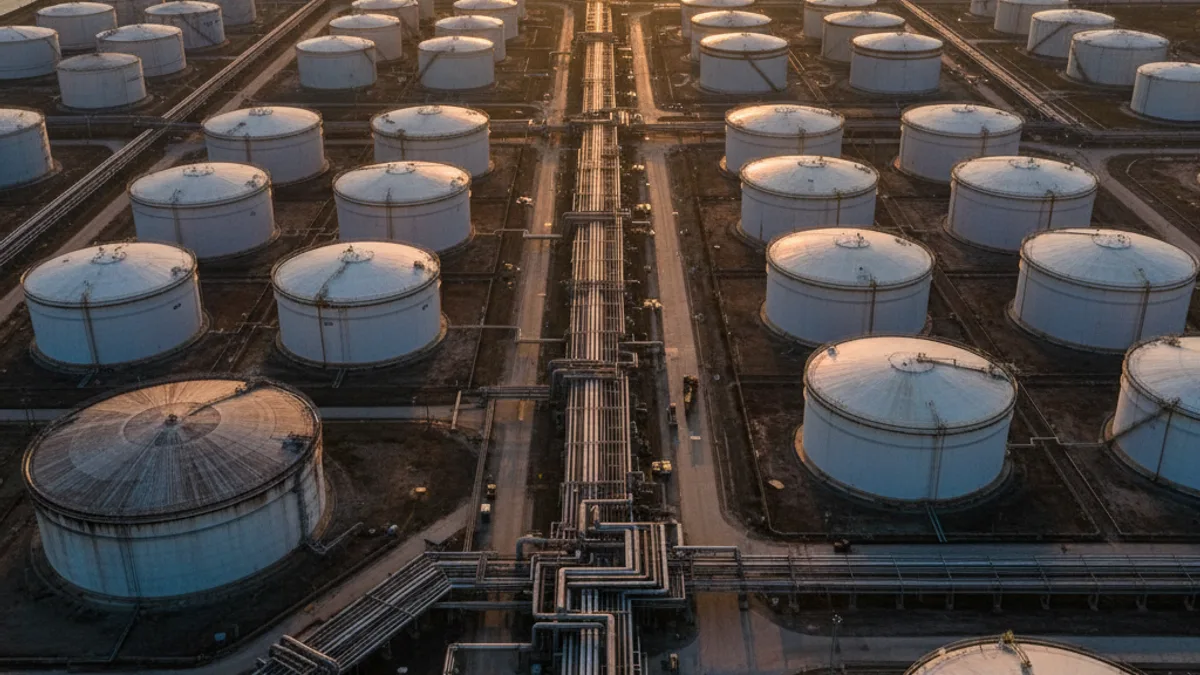
- Gulf Coast terminal and marine services are directly in the growth path. Subcontractors specializing in tank construction, terminal maintenance, and marine loading infrastructure should monitor expansion announcements from Beaumont, Houston Ship Channel, and Corpus Christi operators.
- Pump station and compression contractors will see demand as higher throughput volumes require upgraded facilities along the Mainline route from the U.S. Midwest to the Gulf.
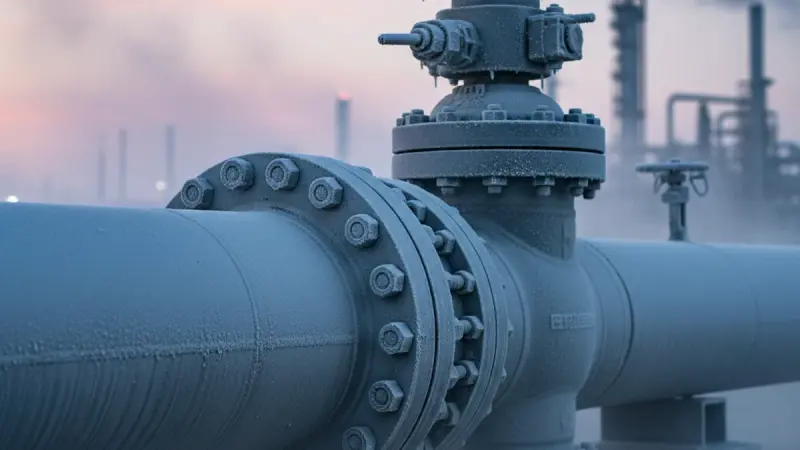
- Environmental and compliance services face increased workload as expanded cross-border volumes trigger additional PHMSA and EPA permitting requirements at pumping stations and marine terminals.
- Keystone XL revival is a longer-term watch item. If the South Bow and Bridger Pipeline proposal advances, it would represent a major new construction program. Subcontractors active in Montana, South Dakota, Nebraska, and Kansas should track that project’s regulatory progress closely.