Compressed Schedules and Scope Creep Are the New Normal in Energy Projects, EPCM Firm Warns
According to BOE Report, compressed project timelines and constant scope shifts have become the baseline condition in North American energy and infrastructure delivery, with one EPCM firm laying out how teams must adapt to avoid cost overruns and delays.
Market Impact
The pressure is being driven by scale. Industry estimates cited in the report suggest more than $1 trillion in new pipeline infrastructure will be required in the coming decades, fueled by rising energy demand, LNG exports, and electrification. A parallel surge in LNG and export infrastructure projects, including Gulf Coast terminals and western Canadian export corridors, is moving forward simultaneously, squeezing schedules and stretching project delivery teams.
Fletcher Evans, P.Eng., Vice President of Project Delivery at Lauren, a mid-sized EPCM firm with offices in Houston, Calgary, Vancouver, and Kelowna, put it plainly: “Most projects don’t fail because of bad design. They struggle when the conditions change and the team can’t adjust fast enough.”
Graham Pavlik, P.Eng., PMP, Director of the Project Management Office at Lauren, added that scope change compounds quickly without the right controls in place. “Without strong controls and clear accountability, small changes can compound quickly into delays and cost overruns,” he said.
What It Means for Subcontractors
For field service companies and subcontractors working in this environment, the implications are direct.
- Sequence your work packages early. Evans notes that compressing a schedule isn’t about pushing harder, it’s about rethinking how work is structured and how decisions get made before boots are on the ground.
- Track scope changes in real time. Pavlik emphasizes that understanding the downstream impact of every change, before it’s approved, is critical to keeping budgets and timelines intact.
- Increase communication frequency. Both executives point to communication gaps as a primary source of execution risk when projects accelerate. More check-ins and clearer accountability chains reduce exposure.
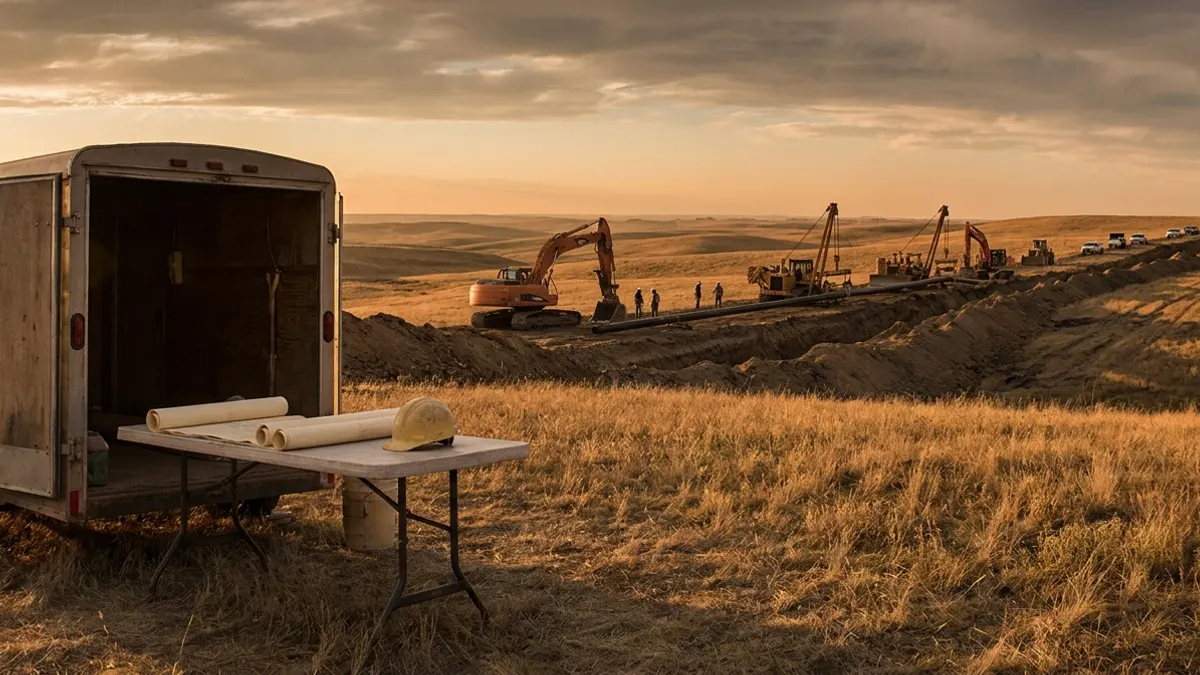
- Plan for physical constraints from the start. Remote terrain, weather, and narrow construction windows leave little margin for error. Lauren’s leadership stresses that precision in planning is what separates teams that execute from those that scramble.