Cheniere's Corpus Christi Expansion Makes It No. 2 US LNG Terminal
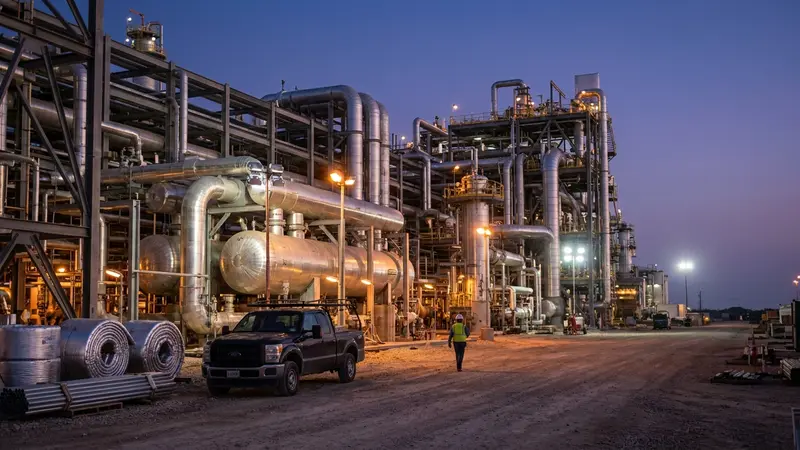
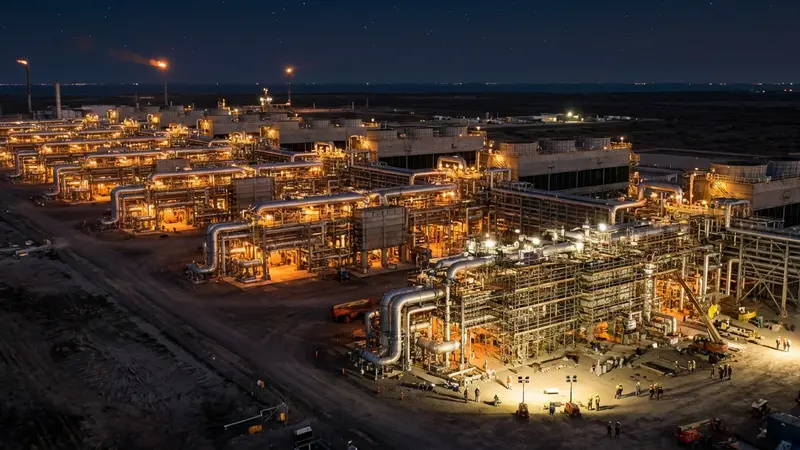
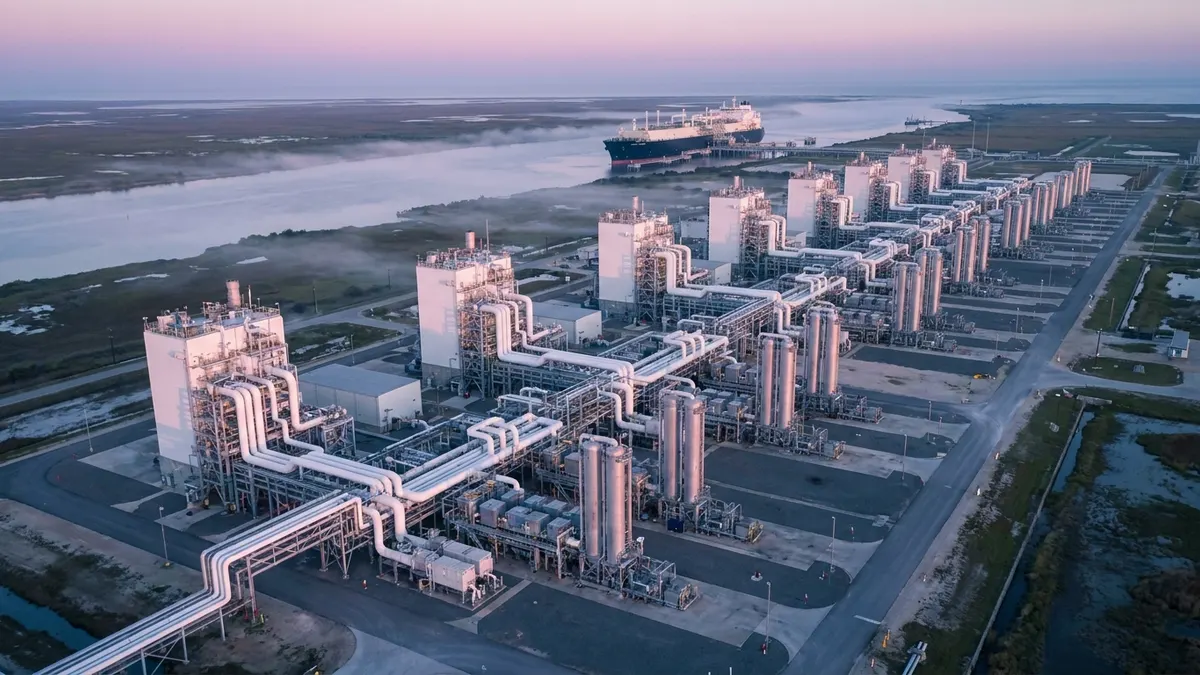
Houston-based Cheniere Energy finished construction on its Corpus Christi LNG stage 3 project Aug. 28, taking custody of the seventh and final liquefaction train and pushing the terminal into the No. 2 spot nationally, Permian Basin Oil & Gas Magazine reports.
Market Impact
The completed stage 3 project brings the Corpus Christi LNG terminal in San Patricio County to a total nominal capacity of 3.1 billion cubic feet per day, with peak capacity reaching 3.9 Bcfd. That puts it just behind Sabine Pass in Louisiana, the country’s largest LNG facility at 3.6 Bcfd nominal and 4.6 Bcfd peak capacity, according to the U.S. Energy Information Administration.
The ranking shift reflects the scale of the seven-train buildout at Corpus Christi, now one of the largest single LNG complexes on the Gulf Coast. With construction on stage 3 complete, the facility moves into steady-state operations, a phase that typically brings a different mix of labor needs than the construction ramp-up that preceded it.
What It Means for Subcontractors
- Expect a shift from construction-phase headcount to ongoing maintenance and turnaround work at the Corpus Christi site, favoring mechanical, electrical, and instrumentation (E&I) subs with LNG facility experience over general construction crews.
- San Patricio County-based and Coastal Bend contractors should position for recurring inspection, calibration, and reliability contracts tied to the seven operating trains rather than one-time construction packages.
- Firms with cryogenic piping, compression, and rotating equipment expertise are best suited for brownfield service work as Cheniere transitions the newly completed train into full operation.
- Sabine Pass remains the larger facility at 3.6 Bcfd nominal capacity, so Gulf Coast subs bidding across both Texas and Louisiana LNG hubs should track maintenance and turnaround schedules at both terminals for comparable scopes of work.