CenterPoint's 8 GW Data Center Push Opens a Multi-Year Construction Wave in Greater Houston
According to Rigzone, CenterPoint Energy has announced plans to energize 8 gigawatts of generation projects serving data centers by 2029, a target that represents one of the most significant utility-driven infrastructure buildouts in Texas history. With 3.5 GW of that capacity already under construction and 12.2 GW of firmly committed industrial load on the books in Greater Houston, the scale and timeline of this program point to a sustained, multi-year demand wave for field service companies working in electrical, civil, and infrastructure trades.
Background
CenterPoint, headquartered in Houston, disclosed the data center load figures in its first-quarter 2026 earnings report. CEO Jason Wells framed the expansion as a net positive for existing ratepayers, projecting approximately $4 billion in customer savings over the next decade as incremental load connections are added to the system.
The announcement builds on a February 2026 decision in which CenterPoint raised its 10-year investment plan by $500 million, bringing the total capital program for 2026 through 2035 to $65.5 billion. The company also projects a nearly 50% increase in peak demand across its Houston Electric territory by 2029 compared to 2024 levels, with total peak demand expected to exceed 30 GW.
For Q1 2026, CenterPoint reported $316 million in GAAP net profit, or $0.48 per diluted share, up from $0.45 per diluted share in Q1 2025. Non-GAAP earnings per share came in at $0.56, compared to $0.53 in the prior-year period. Management attributed the quarter’s strength primarily to growth and regulatory recovery.
Analysis
The numbers here are not aspirational. With 3.5 GW already under construction and 12.2 GW of firmly committed industrial load already secured, CenterPoint is well past the planning stage. This is active execution, and the pace is accelerating.
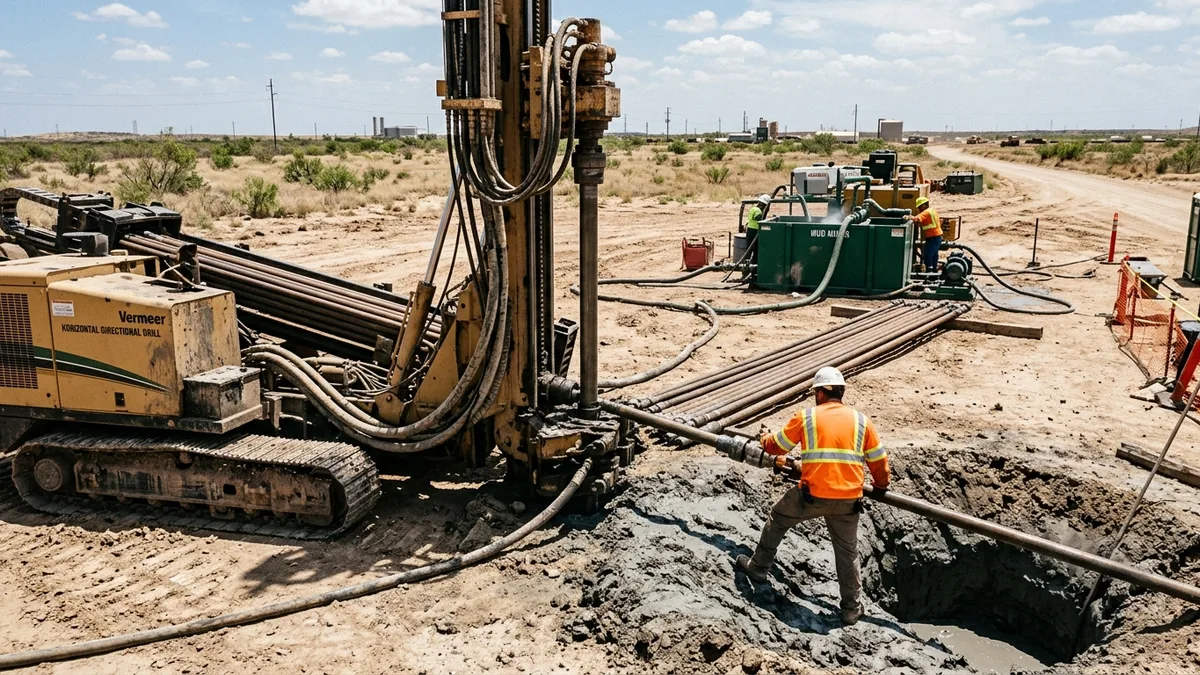
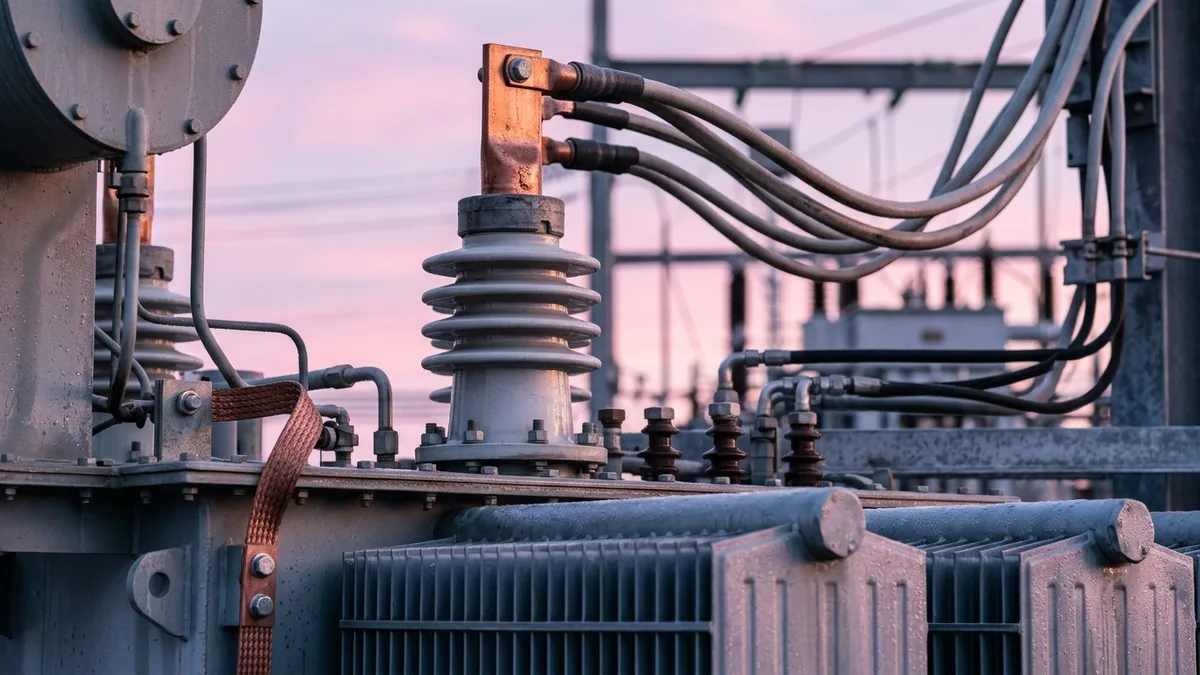
To put the 8 GW data center figure in perspective: that is roughly equivalent to adding the power consumption of several mid-sized cities simultaneously, all within the Greater Houston footprint, all within three years. Delivering that capacity requires a corresponding surge in physical infrastructure. Substations need to be sited, permitted, and built. Transmission lines need to be extended or upgraded. Civil foundations, cable trench work, conduit installation, equipment rigging, and commissioning support all follow. None of that happens without boots on the ground.
The $65.5 billion, 10-year capital plan is the financial engine behind this. Even if only a fraction of that spend flows directly to subcontracted field work in the near term, the absolute dollar figures are large enough to keep regional labor markets tight for years. Texas already has among the most active electrical infrastructure markets in North America, and CenterPoint’s program adds a concentrated, predictable demand layer on top of ongoing grid hardening and storm resilience work.
The data center load driver is also worth watching independently of CenterPoint’s specific program. Across Texas, hyperscale operators and colocation providers are signing long-term power agreements at a pace that is forcing utilities to compress traditional project timelines. That timeline compression tends to favor subcontractors who are already pre-qualified and can mobilize quickly, and it tends to penalize those who are not in the system when awards accelerate.
CenterPoint’s framing, that the company has “one of the most tangible and executable growth plans in the industry,” is notable for subcontractors evaluating which utility pipelines to pursue. Tangible and executable means purchase orders, not just promises. The combination of committed load, active construction, and a fully funded capital plan makes this program more bankable than most comparable announcements in the sector.
The geographic concentration in Greater Houston is also significant. Subcontractors already operating in the Houston basin, or those with the ability to mobilize there, are positioned to benefit from an extended run of work without the logistical overhead of chasing dispersed project sites across multiple regions.
What It Means for Subcontractors
- Pre-qualify now, not later. With 3.5 GW already under construction and the broader program accelerating, CenterPoint’s approved vendor lists are being built and refreshed in real time. Companies that are not pre-qualified when awards move will miss the early, highest-margin work.
- Target electrical and civil trades specifically. Substation construction, transmission infrastructure, cable and conduit work, and civil site prep are the highest-demand categories tied to this type of capacity buildout. If your workforce covers these trades, this program is directly relevant.
- Plan for a multi-year run, not a single project. A $65.5 billion, 10-year capital plan with accelerating near-term delivery means sustained demand through at least 2029. Workforce planning, equipment utilization, and bonding capacity should reflect a durable pipeline, not a one-time surge.
- Watch the compressed timeline dynamic. Data center customers expect utility connections on technology timelines, not traditional utility timelines. That means CenterPoint’s contractors will face schedule pressure. Companies that can demonstrate fast mobilization and flexible crews will have a competitive edge in bid evaluations.
- Houston basin presence matters. The geographic concentration of this program in Greater Houston means local and regional subcontractors have a logistics advantage. If you are not yet active in the Houston market, this program is a strong reason to establish a footprint.