Apollo Takes 40% Stake in Pembina Gas Infrastructure, Signaling Western Canada Midstream Growth
According to a press release from Apollo Global Management, Apollo-managed funds have agreed to acquire a 40% stake in Pembina Gas Infrastructure Inc. (PGI), one of the largest independent gas processing platforms in Western Canada. The stake is being purchased from funds managed by KKR. Pembina Pipeline Corporation will retain its 60% ownership and continue operating and managing PGI’s facilities, with the existing governance structure unchanged.
For pipeline, facilities, and field service subcontractors working in Alberta and British Columbia, the deal is a direct signal that institutional capital sees years of growth ahead in Western Canada’s midstream sector, driven by rising natural gas production and the coming wave of LNG exports from the Pacific coast.
What PGI Looks Like Today
PGI was formed in 2022 as a joint venture between Pembina and KKR. In the four years since, it has grown into a major standalone platform. According to Apollo’s announcement, PGI currently operates:
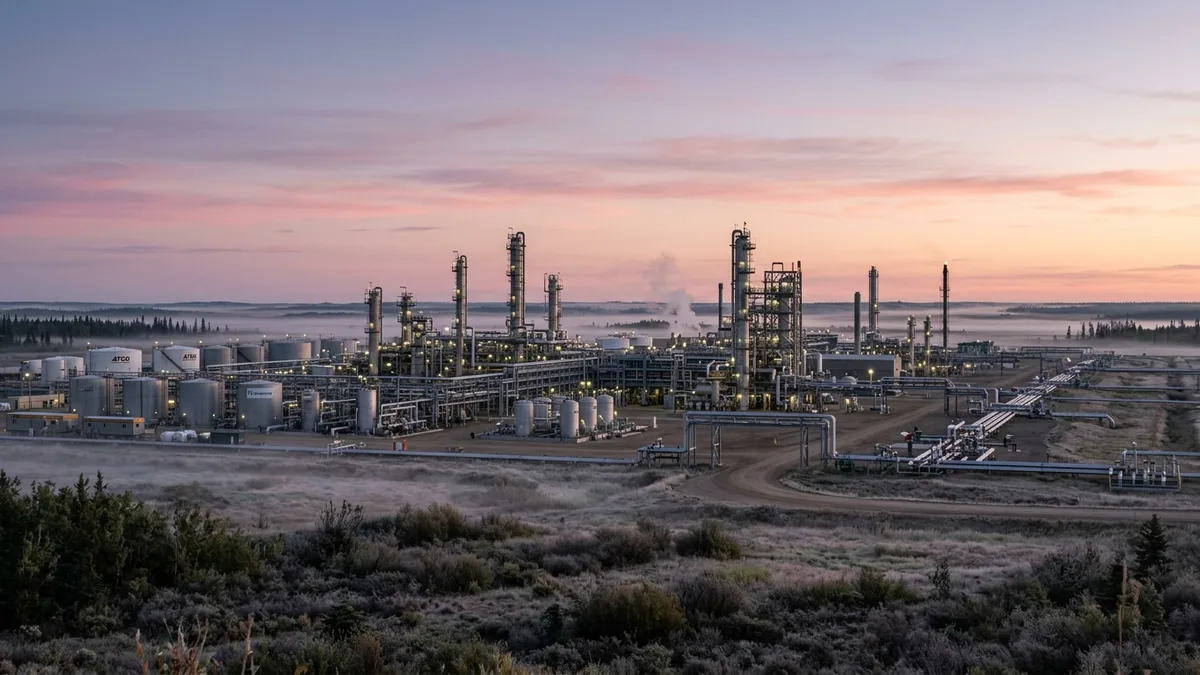
- 23 gas processing plants with a combined processing capacity of approximately five billion cubic feet per day
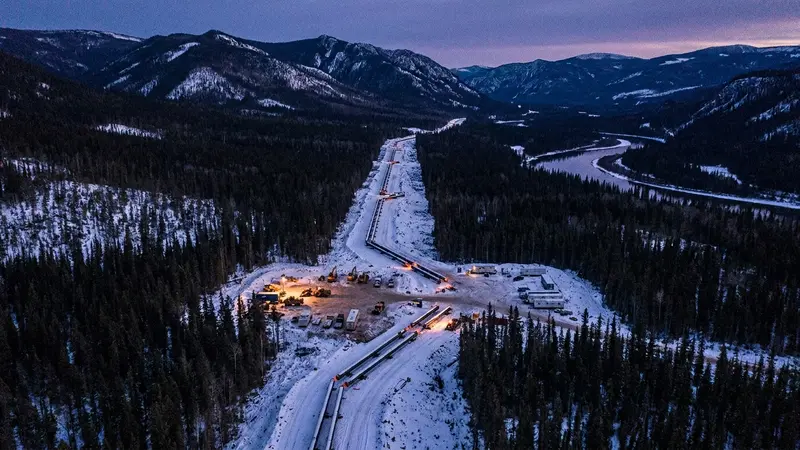
- Approximately 3,900 kilometers of gathering pipelines
- NGL extraction capacity of approximately 330,000 barrels per day
The platform serves producers across the Montney and Duvernay trends, stretching from central Alberta into northeast British Columbia, with connectivity to the region’s major gas transmission networks.
Why Apollo Is Buying In Now
Apollo Partner Scott Browning described PGI as “strategically situated at the inlet of the Global Industrial Renaissance,” with assets tied to industrial end markets that support North American energy security. He pointed to the potential to “deploy capital into attractive development projects alongside one of the world’s leading midstream operators.”
That language matters. Apollo is not buying a mature, dividend-yielding asset for passive income. It is positioning to fund new development, which means new processing plants, expanded gathering systems, and capacity additions tied to the ramp-up in LNG feedgas demand as projects like LNG Canada Phase 1 reach full throughput and Phase 2 and other proposed export terminals move forward.
KKR’s Paul Workman, speaking on the exit, noted that KKR “believed in Canada as a compelling market to invest in and develop critical energy infrastructure” when PGI was formed. The fact that Apollo is stepping in at this stage, rather than KKR re-upping, suggests the next phase of capital deployment will be larger and longer-dated, fitting Apollo’s preference for infrastructure-scale commitments.
The transaction is expected to close by the end of Q2 2026, subject to customary closing conditions. Financial terms were not disclosed.
Analysis
The Montney formation alone is projected to be the primary source of feedgas for Canada’s LNG export capacity. Every incremental billion cubic feet of gas production requires gathering lines, compression, processing, and NGL handling before a single molecule reaches a pipeline header. PGI’s existing five Bcf/d of processing capacity is already substantial, but the LNG buildout implies a need for meaningful additions over the next five to ten years.
Apollo’s entry signals that the capital to fund those additions is now committed. For subcontractors, the distinction between “there will probably be work” and “a $938-billion asset manager just bought into the platform specifically to fund new development” is the difference between a planning assumption and a bankable demand signal.
The geographic footprint is also worth noting. PGI’s 3,900 km of gathering pipelines and 23 plants span a wide corridor across the Montney and Duvernay. Expansion projects across that footprint will not be concentrated in a single region. They will create distributed work opportunities for pipeline construction, civil earthworks, electrical and instrumentation, and facilities maintenance across multiple operating areas in Alberta and BC.
What It Means for Subcontractors
- Pipeline construction and integrity firms operating in the Montney and Duvernay should expect an increase in gathering system expansion projects as PGI builds out capacity to match rising production. New well pads need new tie-ins, and Apollo’s capital backing removes one of the key constraints on project timing.
- Facilities and mechanical contractors should watch for processing plant expansions, debottlenecking work, and potential greenfield plant construction. PGI’s existing 23-plant network will need both expansion and ongoing turnaround maintenance as utilization rates climb.
- Electrical and instrumentation subcontractors will see demand from both new facility construction and upgrades to existing plants as PGI modernizes its platform under Apollo’s ownership.
- Track PGI’s procurement activity after the Q2 close. Once the transaction finalizes, expect engineering and procurement timelines to accelerate. Subcontractors who build relationships with PGI’s operations and project teams before the development cycle peaks will be better positioned for contract awards.
- This is a multi-year signal, not a single project. Apollo’s infrastructure playbook is built around long-hold, development-heavy positions. Subcontractors should plan capacity accordingly rather than treating this as a short-term boom.