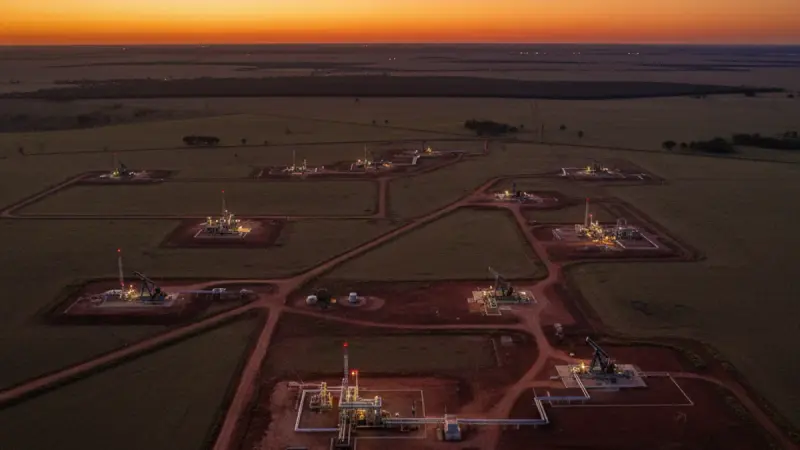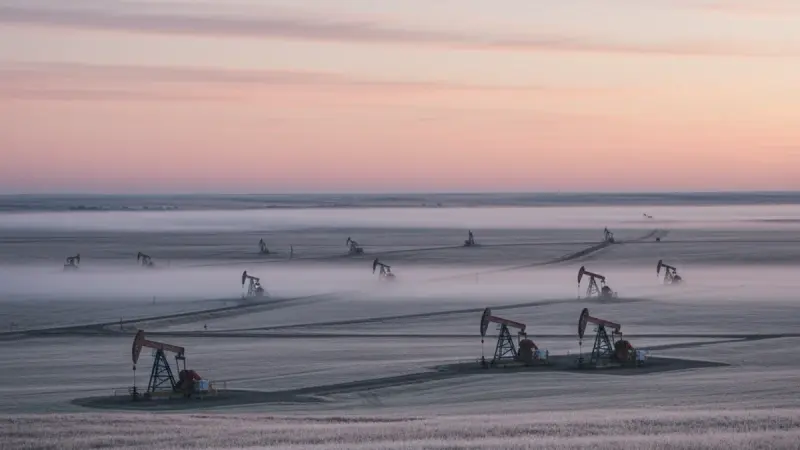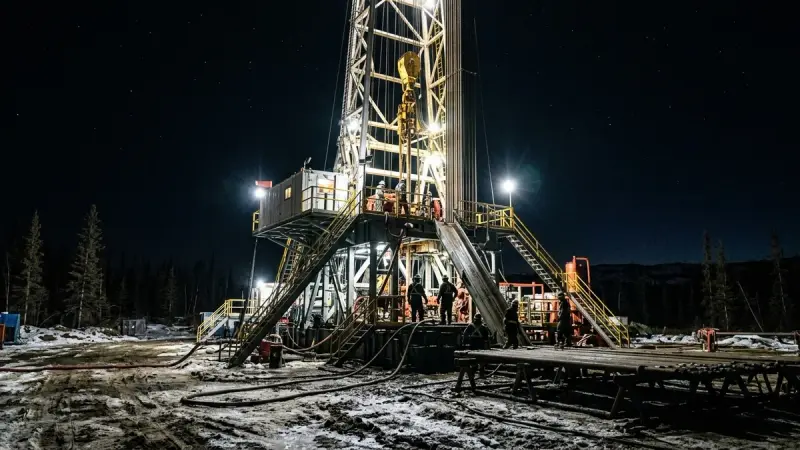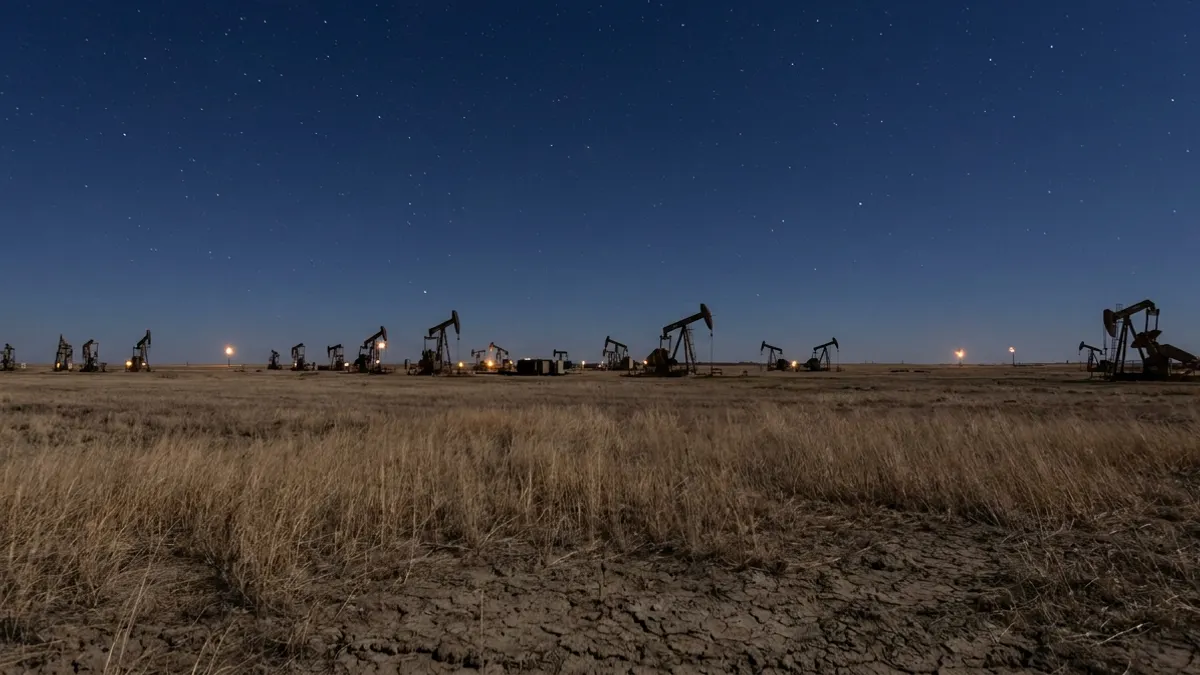
Alberta's 45,000 Idle Shallow Gas Wells Signal a Workover and Optimization Boom
According to a sponsored feature published by BOE Report, an estimated 45,000 shallow gas wells across Alberta remain in various stages of decline, underperformance, or effective abandonment. The piece, produced in partnership with Optimum Petroleum Services Inc. (Optimum PSI), argues that the province’s next meaningful production gains won’t come from new drill sites. They’re already in the ground. Readers should note that the production and technology claims in this piece originate from Optimum PSI’s own sponsored content, not independent reporting. The broader idle-well inventory figures are consistent with data published by the Alberta Energy Regulator.
Background
Alberta’s shallow gas sector has been a workhorse of the province’s production base for decades. But as wells age, production declines and operators face a recurring question: spend money intervening, or walk away?
Many of these 45,000 wells continue producing, but at rates well below their reservoir potential. Others have been written off as uneconomic despite still holding recoverable reserves. According to Optimum PSI, conventional artificial lift systems are a key part of the problem, leaving significant recoverable reserves behind due to hydraulic inefficiencies and driving premature abandonment decisions.
The traditional operator response has involved workovers, recompletions, and wellbore cleanouts. These interventions can restore production, but they come with substantial costs, operational downtime, and no guaranteed outcome. That cost-risk equation is pushing some operators toward downhole optimization technologies designed to address root causes rather than repeatedly treating symptoms.
Optimum PSI promotes two tools used in combination: a sonic stimulation tool deployed via coiled tubing to reopen plugged flow pathways, and a downhole production management platform that monitors fluid levels and pressure in real time. These are illustrative of a broader category of optimization technologies entering the mature-well market, not the only options operators are evaluating.
Analysis
The 45,000-well figure is the headline, but the more important number for field service companies is the cost comparison between conventional workovers and technology-driven optimization. Operators are being pushed to ask whether they can get equivalent or better results without mobilizing expensive equipment.
That question has been building in Alberta’s mature basin for years. Low gas prices, rising abandonment liability under the Alberta Energy Regulator’s Liability Management Framework, and pressure on capital budgets have all made operators more selective about which wells justify intervention spend. The result is a growing backlog of wells that are neither producing at potential nor being formally abandoned, exactly the population that optimization-focused service companies are targeting.
The trend toward downhole IoT monitoring and real-time production management is changing what “well intervention” means in practice. Historically, intervention was an event, something a service crew did on a specific day. Increasingly, it’s becoming a continuous process managed through downhole data. That shift has implications for how service work gets scoped, priced, and staffed.
For the coiled tubing and well service segment specifically, tools that deploy via CT keep those crews relevant in the optimization workflow. The question for service companies is whether they’re positioned to offer newer technologies, or whether they’re competing purely on conventional workover rates in a market where operators are actively looking for alternatives.
Alberta’s shallow gas inventory also isn’t shrinking. Regulatory pressure around inactive and orphan wells means operators face ongoing incentives to either restore production or move toward abandonment. That binary creates a durable pipeline of intervention decisions, and field service companies that can help operators make a credible case for reactivation rather than plugging will have an edge in that conversation.
What It Means for Subcontractors
- Workover and well service companies should be tracking which operators hold large inventories of idle shallow gas wells in Alberta. These are the accounts most likely to be evaluating intervention programs over the next 12 to 24 months.
- Coiled tubing operators have a direct role in deploying sonic stimulation and similar perforation-restoration technologies. Familiarity with these tools, and the ability to discuss them with production engineers, adds value beyond day-rate pricing.
- Artificial lift specialists should be prepared for operators to challenge conventional pump and compressor configurations on mature wells. Demonstrating that your equipment handles hydraulically challenged wellbores, not just healthy producers, will matter.
- Abandonment and reclamation contractors may see some planned abandonment work deferred if reactivation economics improve. Build flexibility into project pipelines for Alberta shallow gas work.
- Field instrumentation and automation companies should note the growing operator appetite for real-time downhole monitoring on mature wells. IoT-enabled production management is moving from niche to expected in this well category.
- Canadian operations are the focus here, but Permian and Mid-Continent operators dealing with large inventories of underperforming conventional wells face a structurally similar challenge. The optimization logic translates across borders even if the regulatory context differs.