Alberta Identifies Corridor for 1 Million-bpd Pacific Pipeline, Signaling Years of Field Work Ahead
According to OilPrice.com, Alberta has identified a general corridor for a proposed new Pacific-coast oil pipeline that would carry up to 1 million barrels per day. The announcement marks an early but significant step in what would be one of the largest pipeline projects in Canadian history, with implications for field service companies across Western Canada.
Background
Alberta’s move to identify a general corridor, rather than a specific route, reflects the early-stage nature of the project. Corridor-level planning typically precedes years of more detailed route assessment, environmental baseline work, stakeholder consultation, and regulatory filings before any construction activity can begin. The proposed capacity of 1 million bpd would represent a major new outlet for Alberta oil sands production, targeting Pacific tidewater access for exports to Asian markets.
The project comes in the wake of Trans Mountain’s expansion, which gave Alberta producers their first significant increase in Pacific export capacity in years. A second major pipeline to the Pacific coast would further reduce Western Canadian producers’ dependence on US Gulf Coast and Midwest markets, and the pricing discounts that come with limited takeaway options.
Analysis
The corridor announcement is the kind of early signal that field operations companies need to track carefully, even though shovels in the ground are likely many years away. Pipeline projects of this scale move through predictable phases, each of which generates substantial field work long before the first weld is made.
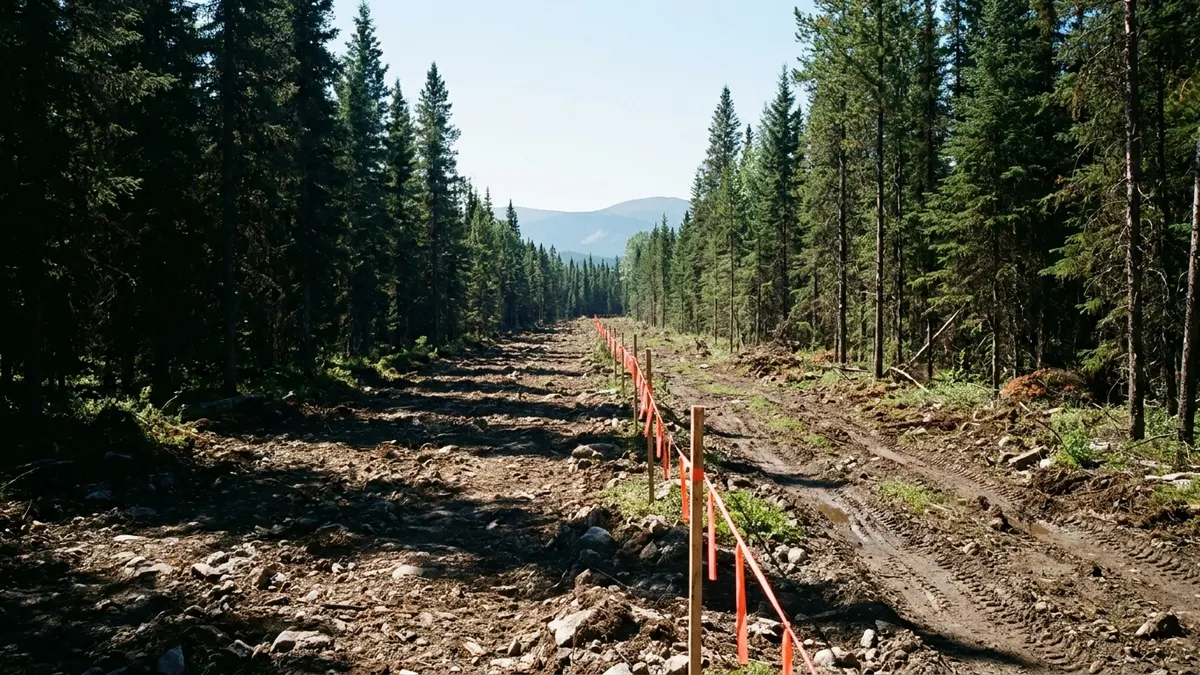
The first wave of activity, typically beginning within months of a corridor announcement, involves environmental and geotechnical assessment crews. Biologists, soil scientists, survey teams, and hydrology specialists fan out across the proposed corridor to establish baseline conditions. This work is contracted almost entirely to small and mid-size field service firms. For companies in Alberta and British Columbia that specialize in environmental field work, preliminary survey work, or remote access logistics, the corridor announcement is effectively a starting gun.
After baseline work comes the regulatory process itself. In Canada, a project of this size would face federal review, likely involving the Impact Assessment Agency of Canada alongside the Canada Energy Regulator. That process generates additional field work, from community and Indigenous consultation support to supplemental environmental studies ordered during the hearing process. Projects of this type have historically taken anywhere from three to seven years to move from corridor identification to a regulatory decision, meaning field companies should be planning for a sustained, lower-intensity period of assessment work rather than an immediate construction surge.
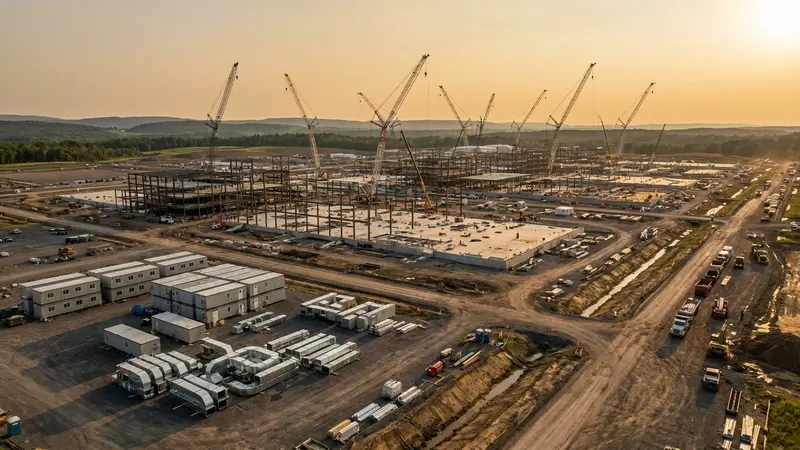
The construction phase, when it arrives, would be substantial. A 1 million bpd pipeline traversing mountainous terrain to the BC coast would require extensive right-of-way clearing, steep-slope construction expertise, river and water crossing specialists, and remote camp logistics support. The Trans Mountain Expansion project provided a preview of the kind of labor and contractor demand that Pacific pipeline construction generates, including chronic shortages of qualified welders, heavy equipment operators, and environmental monitors.
The corridor approach also signals that the proponent, and Alberta’s government, are trying to build some flexibility into the early planning stages. Defining a general corridor rather than a specific centerline allows for route optimization as more detailed data comes in, which can reduce regulatory risk and community conflict later. For subcontractors, this means the early assessment contracts will have a discovery component, with findings from field work actively shaping the final route rather than simply confirming a pre-determined path.
There is also a geopolitical dimension worth noting. Alberta’s push for Pacific access reflects a broader strategic shift following trade tensions with the United States. Diversifying export routes reduces the province’s exposure to US tariff risk and pricing differentials. That political urgency at the provincial level tends to accelerate permitting timelines where government has influence, though federal and Indigenous consultation requirements remain fixed constraints regardless of provincial priorities.
What It Means for Subcontractors
- Environmental field services are the first opportunity. Baseline environmental assessment work will begin well ahead of any regulatory filing. Firms offering biological surveys, wetland delineation, geotechnical drilling, and hydrology studies should be positioning themselves with pipeline proponents and their prime contractors now.
- Survey and geomatics companies should take note. Corridor-to-centerline work requires extensive ground-truthing, aerial LiDAR, and ground survey activity. This is typically among the earliest contracted work after a corridor is established.
- Plan for a long cycle, not a single contract. Projects of this scale generate work across a decade or more, from early assessment through construction and eventually operations and maintenance. Companies that build relationships during the assessment phase are better positioned for larger construction contracts later.
- BC-based subcontractors face the most complex terrain. Mountain and coastal segments will require specialized steep-slope and water-crossing expertise. Firms with that experience, or willing to invest in it, will have a competitive edge.
- Watch the regulatory calendar. The timeline to a regulatory filing is the key milestone for field companies to track. A formal application triggers a significant ramp-up in third-party field work, and companies that are not already engaged with the project by that point often miss the early contracts.
- Indigenous partnership capacity matters. Projects crossing BC require deep Indigenous consultation and, increasingly, equity participation. Field service companies that have established relationships with First Nations communities along potential corridors, or that can demonstrate meaningful partnership structures, will have a distinct advantage in contractor selection.