WTI Tops $100 as Hormuz Tensions Keep Oil Markets on Edge
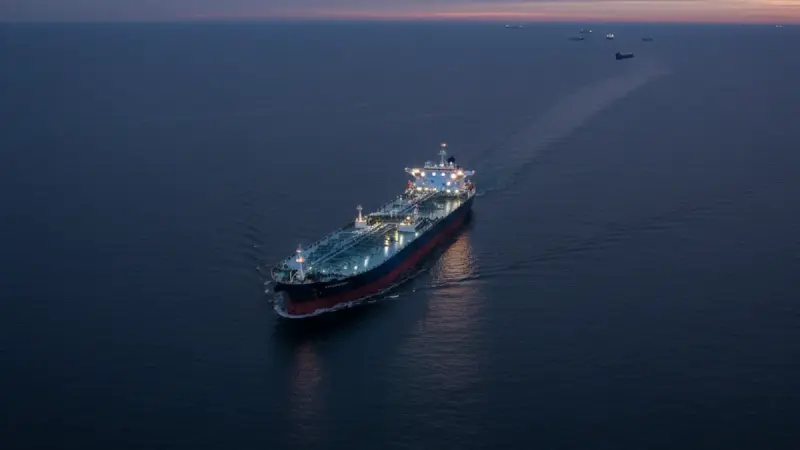
According to Rigzone, crude oil markets are holding firm above $100 per barrel, with WTI at $101.38 and Brent at $118.35 as of March 31. Analysts cite persistent tensions around Iran and the Strait of Hormuz as a key driver, with Naeem Aslam, CIO at Zaye Capital Markets, noting that threats to critical energy infrastructure are keeping prices “structurally supported and highly reactive to headlines.” OPEC+ approved a modest 206,000 boe/d production increase for April, but analysts say that’s unlikely to meaningfully ease supply pressure if maritime chokepoints remain disrupted.
What It Means for Subcontractors
- High oil prices typically support upstream capital spending in the Permian, Gulf Coast, and Bakken, which can translate to stronger contract activity and tighter equipment availability heading into Q2.
- Fuel and materials costs stay elevated when crude is above $100, so field service companies should review diesel surcharge clauses and materials pricing in any contracts up for renewal.
- Ongoing supply uncertainty means operators may accelerate domestic drilling programs, creating short-window bid opportunities for well service, pipeline, and facilities contractors.